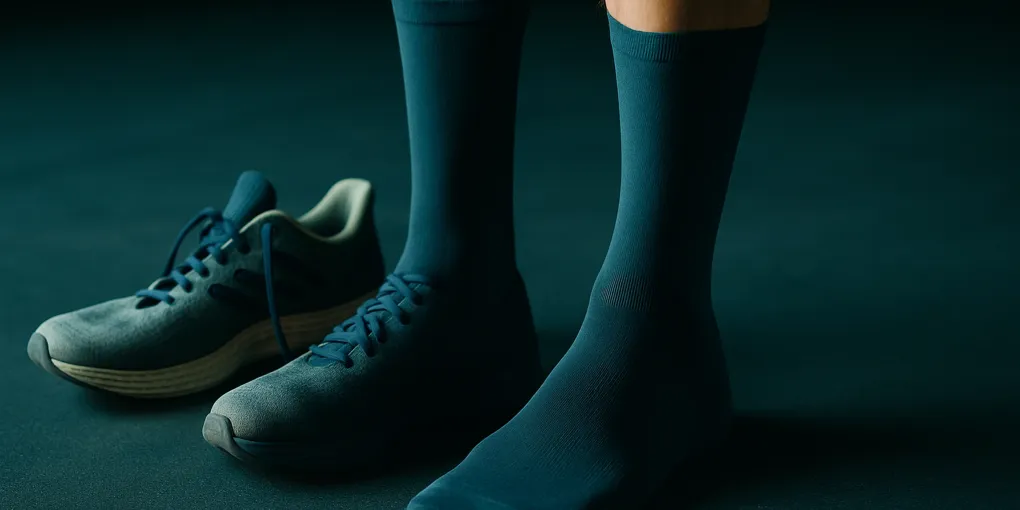
CEP Run Compression Socks
Best runner-specific premium shortlistBest use: Runners who want measured calf sizing and a performance-sock feel
Quick picks
| Product | Key Specs | Pros / Cons |
|---|---|---|
| See price on Amazon |
|
|
| See price on Amazon |
|
|
| See price on Amazon |
|
|
| See price on Amazon |
|
|
Product availability, certifications, and retailer details can change; check the current Amazon page before buying.
Compression-sock bottom line
Compression socks are a fit-sensitive recovery accessory. The best product is the one with a clear compression range, calf sizing, and enough comfort that you will actually wear it after long runs or travel. If you want a fast shortlist, start with CEP Run Compression Socks, Feetures Graduated Compression socks, Physix Gear Sport compression socks, then verify the current listing, dimensions, label, size chart, warranty, and return terms before buying.
Compression-sock quick picks
- Best runner-specific premium shortlist: Search Amazon for CEP Run Compression Socks - Runners who want measured calf sizing and a performance-sock feel.
- Best sock-like running feel: Search Amazon for Feetures Graduated Compression socks - Runners who dislike medical-sock texture but want light-to-moderate compression.
- Best budget Amazon test: Search Amazon for Physix Gear Sport compression socks - Travel, standing work, and post-run recovery experiments on a lower budget.
- Best merino-blend everyday option: Search Amazon for Sockwell compression socks - Recovery days, travel, and all-day wear where material comfort matters.
Calf-size, compression, and fabric checks
- graduated compression range and sock height
- calf circumference sizing chart
- toe box and seam comfort for runners
- fabric heat management after summer runs
- medical caution if circulation, clotting, or neuropathy issues are present
These checks keep the page focused on the actual purchase. Use the named shortlist only after the specs fit your room, body, training plan, and risk tolerance. Do not treat the order above as a live ranking of price, availability, or star ratings.
Sock notes for running recovery
CEP Run Compression Socks
Best for: Runners who want measured calf sizing and a performance-sock feel.
Why it made the shortlist: Graduated compression positioning and running-specific model family.
Main caveat: Must size by calf and shoe size, not guess.
Search Amazon for CEP Run Compression Socks
Feetures Graduated Compression socks
Best for: Runners who dislike medical-sock texture but want light-to-moderate compression.
Why it made the shortlist: Running-sock brand with graduated compression options.
Main caveat: Compression level and height vary by model.
Search Amazon for Feetures Graduated Compression socks
Physix Gear Sport compression socks
Best for: Travel, standing work, and post-run recovery experiments on a lower budget.
Why it made the shortlist: Common 20-30 mmHg-style listing family.
Main caveat: Fabric and sizing consistency can vary.
Search Amazon for Physix Gear Sport compression socks
Sockwell compression socks
Best for: Recovery days, travel, and all-day wear where material comfort matters.
Why it made the shortlist: Wool-blend compression sock family.
Main caveat: Less race-specific than CEP-style socks.
Search Amazon for Sockwell compression socks
Match compression to wear time
For post-run recovery, calf measurement is the first filter. Running-specific socks are useful when the toe box, heel, and fabric feel like training gear rather than medical hosiery. Budget compression can be fine for travel or standing work, but only if the stated compression range and size chart match your calf. Merino-blend options make more sense for long wear in shoes than for hot races.
If you have neuropathy, clotting history, vascular disease, unexplained swelling, or numbness with compression, do not use a buyer guide as medical clearance. Ask a clinician before experimenting with tighter socks.
Compression-sock deal-breakers
Avoid buying by shoe size alone. A sock that is too tight at the calf or bunches behind the knee is not a recovery upgrade.
Also skip listings that make medical promises, hide key specs, or use urgency copy instead of useful documentation. For supplements, do not buy a label that hides the active form or serving math. For equipment, do not buy a product whose dimensions, capacity, or setup requirements are unclear.
Recovery and circulation context
The evidence behind this page supports the behavior more than any single retail listing. Strength equipment should make progressive resistance training easier to perform safely. Cardio tools should support repeatable aerobic minutes. Recovery products should be used with realistic expectations and should not replace medical care, sleep, programming, nutrition, or gradual progression.
Use conservative setup on the first week. For equipment, test the lightest load, slowest speed, or shortest session before trusting the product under fatigue. For supplements or hydration products, read the full label and check with a qualified clinician if you have kidney disease, cardiovascular disease, pregnancy, medication interactions, circulation problems, or a condition that changes fluid, sodium, or training advice.
Recovery-sock checkout checkpoint
Name the job before you buy. A useful shortlist sounds specific: a foldable walking pad for 30-minute work calls, a 10 mm lever belt for heavy squat days, compression socks sized by calf circumference after long runs, or a creatine gummy that still reaches 3-5 grams of creatine monohydrate per day. If the product does not solve that named job, skip it for now.
Calf, toe-box, and heat details
For CEP-style socks, measure calf circumference and use the brand chart rather than assuming your shoe size decides compression. For Feetures-style socks, compare foot comfort and seam feel if you plan to wear them after runs. For Physix Gear Sport or Sockwell-style options, read the compression range and fabric details before assuming every knee-high sock works the same.
Compression should feel snug, not painful or numb. Remove the sock if toes tingle, skin color changes, or the top band digs sharply. Runners with vascular disease, neuropathy, clotting history, or unusual swelling should use clinician guidance. For flights and long car days, the buying criteria overlap with travel recovery more than race performance, so comfort over hours matters more than a flashy running label.
For adjacent buying context, see our travel compression sock guide.
Running-recovery scenario shortlist
Choose a runner-specific pair when you will wear it after long runs and care about shoe feel. Choose a budget 20-30 mmHg-style option when you mainly want a lower-cost travel or standing test. Choose a wool-blend/everyday option when comfort over several hours matters more than race-day feel.
The wrong size is not a bargain. A sock that cuts behind the knee, bunches at the ankle, or tingles at the toes should be returned or replaced.
Compression-sock listing audit
Before checkout, confirm calf-size range, shoe-size range, compression level, sock height, fiber blend, wash instructions, and return terms after trying on. Treat listings without calf circumference guidance as risky for running recovery.
Runner fit checks
Measure calf circumference at the widest point and compare it with the sock chart before color, pattern, or shoe size. Running recovery socks need enough foot comfort for shoes or lounging, but the compression decision is mostly at the calf. If the top band leaves deep marks, the toes tingle, or the sock bunches behind the knee, the fit is wrong even if the product has good reviews.
Think about when the sock will be worn. A thin runner-specific pair may feel better after long runs in warm weather; a merino-blend pair can make more sense for travel or winter recovery days; a budget medical-style pair can be acceptable for a low-cost test. Wash instructions matter because compression fabric that stretches out quickly turns the purchase into a short-lived experiment.
A final sizing check is worth doing after an easy run, not immediately after a hard workout when swelling may distort the feel. Try the socks seated first, then standing, then walking for several minutes. Compression that feels firm is normal; sharp pressure, numbness, skin color change, or calf pain is not a buyer-guide problem to solve with another brand. Remove the sock and get medical advice when symptoms are unusual.
Pack one clean backup pair for travel or race weekends if compression is part of your recovery routine. Re-wearing damp socks after a long run is a comfort and skin-irritation problem, not a durability test. Rotate pairs and replace socks when the cuff loses spring or the heel fabric thins, especially if the sock no longer stays evenly positioned over the calf.
Post-run use plan
Use compression socks as a scheduled recovery tool, not as a vague all-day fix. Put them on after showering, when skin is dry and the calf measurement still matches the chart, then set a wear window you can repeat for long-run days or travel. If the sock slides, folds, or leaves a sharp cuff mark, that is a sizing failure. Keep a note on calf feel the next morning, because comfort and repeatable wear matter more than a single tight first impression.
Compare both legs after several minutes of walking, not only while seated. The heel should stay aligned, the cuff should remain flat, and no seam should concentrate pressure across the toes. Recheck those points after washing because heat and drying can change fit.
FAQ
How should I size CEP Run Compression Socks?
Use calf circumference and the brand chart, then check shoe-size compatibility. Do not buy runner compression socks by shoe size alone.
Are Physix Gear Sport socks a good recovery test?
They can be a lower-cost way to test whether compression feels useful, but verify the compression range, calf fit, and fabric comfort first.
When should runners avoid compression socks?
Avoid or ask a clinician first if you have circulation disease, neuropathy, clotting history, unusual swelling, numbness, or pain with compression.