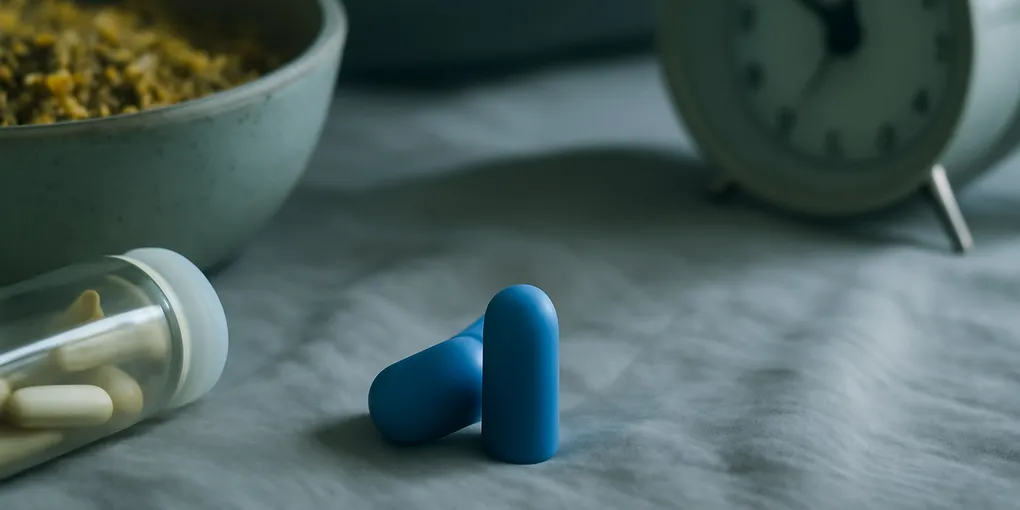
Mack's Ultra Soft foam earplugs
Best disposable foam pickBest Use: Maximum soft noise reduction for many sleepers
$10-20
Quick picks
| Product | Key Specs |
|---|---|
| See price on Amazon |
|
| See price on Amazon |
|
| See price on Amazon |
|
Product availability, certifications, and retailer details can change; check the current Amazon page before buying.
Bottom line
Sleep earplugs are not glamorous, but they can be one of the cheapest fixes for a specific sleep problem: intermittent noise that wakes you or prevents sleep onset. Trials in noisy hospital settings suggest earplugs can improve perceived sleep quality when noise is the trigger (https://pubmed.ncbi.nlm.nih.gov/24356171/). The right pair is the one you can wear comfortably for a full night while still handling safety needs such as alarms, children, pets, or a partner who may need help.
Foam plugs usually block the most noise when inserted correctly. Reusable silicone or soft molded plugs can be more comfortable for side sleepers and people who hate foam expansion pressure, but they may reduce less sound. Do not buy based on the highest noise reduction rating alone; a perfectly rated plug that hurts after 20 minutes is the wrong product.
Quick picks for sleep noise sensitivity
- Search Amazon for Mack’s Ultra Soft foam earplugs — best first trial for soft disposable foam and strong attenuation.
- See current Loop Quiet silicone sleep earplug prices — best reusable route if foam pressure wakes you or you sleep on your side.
- Search Hearos Xtreme Protection earplugs — best high-NRR foam option to compare for traffic, snoring, or travel.
Practical score
| Factor | Weight | Score | Rationale |
|---|---|---|---|
| Research | 30% | 6.4 | Noise disruption and hearing protection are well-established; sleep-specific product comparisons are mostly practical (earplug sleep trial context: https://pubmed.ncbi.nlm.nih.gov/24356171/). |
| Evidence Quality | 25% | 6.0 | NRR testing helps compare categories, but real-world sleep comfort varies by ear shape and position. |
| Value | 20% | 8.0 | Foam plugs are cheap and reusable plugs are still low-cost compared with many sleep gadgets. |
| User Signals | 15% | 7.5 | Comfort, pressure, and alarm audibility determine whether people keep using them. |
| Transparency | 10% | 6.5 | Strong listings provide NRR, material, sizing, and cleaning details; weaker ones rely on vague “sleep soundproof” claims. |
| Composite | 100% | 6.8 | A high-value sleep experiment when noise is the clear blocker. |
How to choose the right style
Choose foam if the problem is loud snoring, traffic, hotel hallways, or early-morning garbage trucks. Foam needs proper insertion: roll it thin, lift the ear slightly, insert gently, and hold it while it expands. If it sits shallow, it will block less sound and may fall out.
Choose reusable silicone if foam creates pressure, itchiness, or hygiene friction. Low-profile plugs are especially useful for side sleepers because bulky stems can press into the pillow. Check whether the product includes multiple tip sizes; a bad seal is the main reason reusable plugs disappoint.
Choose wax or moldable silicone only if your issue is outer-ear comfort and you understand the tradeoff: these often seal near the canal opening rather than deep inside. They can be comfortable, but they may loosen with hair, skin oil, or pillow movement.
Options worth comparing
Mack’s Ultra Soft foam earplugs
Mack’s Ultra Soft is a sensible first trial because the cost is low and the material is forgiving for many ears. It is the right place to start if you need strong noise reduction and do not yet know your earplug tolerance.
- Best fit: snoring, traffic, travel, and apartment noise.
- Watch out for: shallow insertion and foam pressure in small ear canals.
- See current Mack’s Ultra Soft earplug prices.
Loop Quiet silicone sleep earplugs
Loop Quiet-style plugs make sense when comfort and reuse matter more than maximum attenuation. They are easier to keep by the bed and may feel less disposable, but they still need the right tip size.
- Best fit: side sleepers, moderate noise, and people who dislike foam expansion.
- Watch out for: lower perceived blocking than well-inserted foam in very loud rooms.
- See current Loop Quiet sleep earplug prices.
Hearos Xtreme Protection foam earplugs
High-NRR foam plugs are worth comparing when the noise problem is severe. The tradeoff is that denser or larger foam can feel more noticeable overnight.
- Best fit: louder environments where ordinary soft foam is not enough.
- Watch out for: pressure after several hours and whether you can still hear critical alarms.
- Search Hearos Xtreme Protection earplugs.
Safety and alarm checks
Before relying on earplugs, test your alarm with the plugs in. If you care for children, pets, or someone who may need help at night, decide whether one-ear use, lower-attenuation plugs, vibration alarms, or environmental changes are safer. Earplugs should reduce disruptive noise, not make you ignore important signals.
Keep plugs clean. Disposable foam should be replaced often, especially if it picks up earwax or lint. Reusable plugs need cleaning and drying according to the product instructions. Do not force plugs deeply, and stop using them if they cause pain, drainage, or persistent irritation.
Fit tests before you keep the package
Use the first night as a fit test, not a final verdict on sleep. Insert the plugs 30 minutes before bed while you are still awake. Lie on both sides, move your jaw, and press your ear gently into the pillow. If a stem or outer ring creates pressure during that short test, it will usually feel worse at 3 a.m.
For foam plugs, the seal should make steady room noise noticeably duller after the foam expands. If one side barely changes, the plug is probably too shallow or the foam size is wrong for that ear. People with narrow canals may do better with smaller tapered foam, while people whose plugs fall out may need a larger diameter or a reusable tip with better grip.
For reusable plugs, try every included tip size. Many buyers assume medium is correct and never test the small or large tips. A smaller tip may be more comfortable but leak sound; a larger tip may seal well but create pressure. The winning setup is the smallest tip that seals reliably when you turn your head on the pillow.
Travel, snoring, and apartment noise scenarios
For hotel travel, bring more than one style. Foam plugs are cheap insurance against hallway doors, elevators, and traffic, while a reusable pair is useful if your ears get irritated after several nights. Keep them in a small case rather than loose in a toiletry bag where lint and sunscreen can stick to them.
For partner snoring, earplugs can reduce awakenings, but they should not hide a serious breathing problem. Loud snoring with witnessed pauses, gasping, morning headaches, or severe daytime sleepiness matches common sleep-apnea warning signs described by NHLBI (https://www.nhlbi.nih.gov/health/sleep-apnea/symptoms). The earplug is for your sleep continuity, not a solution to untreated sleep apnea.
For apartments, identify whether the noise is airborne or vibration-based. Earplugs can help with voices, televisions, and traffic hiss. They do less for low-frequency bass, footsteps above you, or building vibration. In those cases, a white-noise machine, fan, rug, door sweep, or bedroom layout change may matter as much as the plug.
Cost and hygiene math
Disposable foam looks cheap until you reuse dirty pairs for too long. If you wear plugs nightly, budget for regular replacement. A bulk box can be economical, but only after you know the size and material work for your ears. Buying 100 uncomfortable plugs is not value.
Reusable silicone costs more up front but can be cheaper and less wasteful if you clean it properly and do not lose the case. Replace reusable plugs when the material tears, stays tacky, smells after cleaning, or no longer holds a seal. If you use ear drops, have active irritation, or are prone to wax blockage, ask a clinician before making nightly earplug use a default.
Do not judge value only by pair count. A smaller sampler can be smarter than a large box because ear canal size, pillow pressure, and noise type are personal. Once you find a style that stays comfortable through a whole night, then buy the larger pack or replacement tips for routine nightly use. The right choice should be comfortable during real overnight use, not just tolerable during a five-minute test.
Where earplugs fit in a sleep setup
Earplugs work best when the noise source is intermittent or outside your control. If the room itself is too bright, pair the experiment with the sleep mask protocol. If nasal obstruction or mouth breathing is your concern, earplugs will not fix the issue; read our nasal strips guide for that separate problem.
FAQ
Are foam earplugs always better for sleep?
No. Foam often blocks more sound, but silicone or low-profile reusable plugs can be better if foam pressure wakes you. Comfort over the whole night beats a higher rating you cannot tolerate.
Can sleep earplugs cause ear problems?
They can irritate the canal or trap debris if used aggressively or kept dirty. Use clean plugs, avoid painful insertion, and stop if you develop pain, drainage, or persistent fullness.
Will I still hear my alarm?
Maybe. Test your exact alarm, volume, phone placement, and plug style before depending on them. Heavy sleepers may need a vibrating alarm or a lower-attenuation option.
Sources
- National Institute on Deafness and Other Communication Disorders. Noise-induced hearing loss and safe sound exposure context. NIDCD.
- Basner M, et al. Auditory and non-auditory effects of noise on health. PMC.
- World Health Organization Regional Office for Europe. Environmental noise guidelines for the European Region, including night-noise and sleep-disturbance context. WHO.