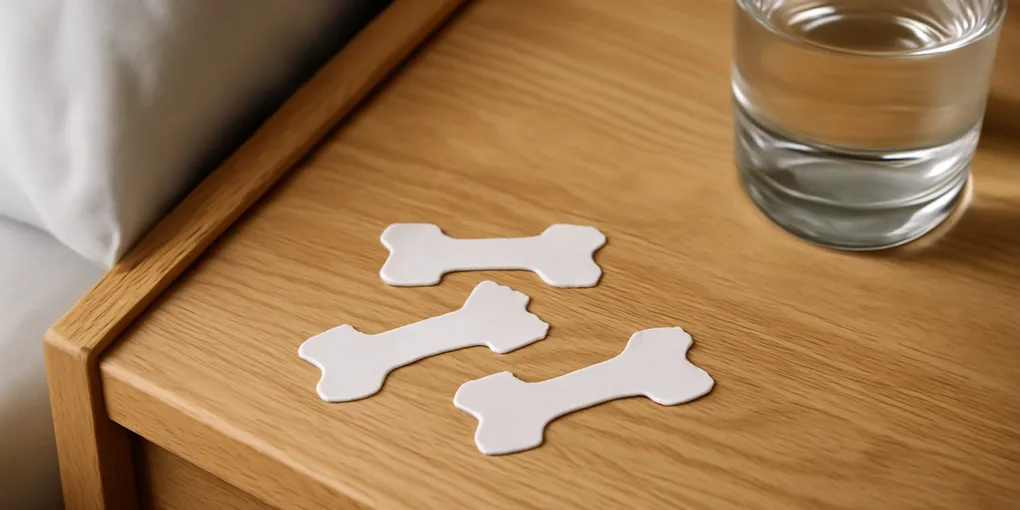
Quick picks
External nasal strips
★ Top pick Best low-risk airflow trial- Best Use: Temporary nasal-valve opening during sleep or easy training
- Caveat: Adhesive irritation and no apnea treatment
Reusable nasal dilator cones
Best adhesive-free option- Best Use: A washable nasal-opening trial without skin adhesive
- Caveat: Fit can feel intrusive and sizing matters
Saline nasal rinse kit
Best congestion companion- Best Use: Congestion-heavy nights when mucus is the main barrier
- Caveat: Use sterile, distilled, or previously boiled water only
Bottom line
Nasal strips are a reasonable experiment if your nose feels narrow, collapses slightly when you inhale, or stuffs up enough to make sleep or easy training feel worse. They are not a snoring cure, a sleep-apnea treatment, or a performance enhancer for everyone. The realistic win is narrower: some people breathe through the nose more comfortably because the strip mechanically opens the nasal valve area, a mechanism covered in a nasal-dilator review (Camacho et al., 2016).
If you want the lowest-friction trial, compare search Amazon for external nasal strips. If adhesive bothers your skin, compare search Amazon for reusable nasal dilator cones. If congestion is the real problem, a search Amazon for a saline nasal rinse kit may be more useful than a stronger strip.
Quick picks
- Best first trial: Search Amazon for external nasal strips if your nose feels pinched or you notice sidewall collapse on inhale.
- Best adhesive-free alternative: Search Amazon for reusable nasal dilators if strips peel off, irritate skin, or leave residue.
- Best congestion support: Search Amazon for saline nasal rinse kits when mucus and allergies are the main limiter.
For another sleep-environment intervention with clearer setup steps, see our morning bright light protocol.
What nasal strips do mechanically
External nasal strips are springy adhesive bands. When stuck across the bridge and sides of the nose, they pull outward on the nasal sidewalls. That can reduce resistance near the nasal valve, especially in people whose nostrils narrow during inhalation. Internal dilator cones try to do the same job from inside the nostrils (Camacho et al., 2016).
This mechanism is physical, not pharmacologic. A strip does not shrink swollen tissue, cure allergies, fix a deviated septum, move the jaw, or keep the throat open. If your snoring comes mostly from throat collapse, alcohol, body position, sedatives, or obstructive sleep apnea, opening the front of the nose may not solve it (Randerath et al., 2015).
Snoring: when the trial is reasonable
A nasal strip is most plausible when snoring gets worse during colds, allergy seasons, dry rooms, or nights when nasal breathing feels blocked. It is also worth a short trial if your bed partner notices mouth breathing and you can feel airflow improve as soon as the strip is applied, because nasal-dilator benefits are most plausible when nasal resistance is part of the problem (Camacho et al., 2016).
Use the strip for seven nights and track three things: whether it stayed attached, whether nasal breathing felt easier at bedtime, and whether your bed partner or recording app noticed less snoring. Do not judge by one night after alcohol, a late meal, or unusual sleep deprivation.
Sleep apnea red flags override shopping. Loud snoring with witnessed pauses, gasping, morning headaches, excessive daytime sleepiness, high blood pressure, or falling asleep while driving deserves medical evaluation; obstructive sleep-apnea guidance treats nasal aids as non-CPAP adjuncts, not apnea cures (Randerath et al., 2015). A strip can make the nose feel better while leaving dangerous breathing interruptions untouched.
Training: comfort may improve, performance claims are weaker
For running, cycling, and gym warmups, nasal strips may make easy nasal breathing feel smoother. That does not mean they raise VO2 max or turn hard intervals into effortless nasal-only sessions; the evidence base is strongest for nasal airflow/resistance rather than broad athletic-performance gains (Camacho et al., 2016). During higher-intensity work, most athletes mouth-breathe because total ventilation demand rises beyond what a slightly more open nose can deliver.
The most honest training use is comfort testing. Try a strip on an easy run, zone-2 ride, mobility session, or pre-bed walk. If it reduces the feeling of nasal resistance, keep it for those contexts. If nothing changes after two or three sessions, do not chase stronger adhesive or premium claims.
Strip versus internal dilator versus rinse
Choose based on the failure mode:
- Skin tolerates adhesive and nostrils collapse inward: start with strips.
- Adhesive causes redness or strips peel during sweat: try a washable internal dilator.
- Nose feels blocked by mucus or allergies: ask whether saline rinse, allergy management, humidification, or clinician advice matters more.
For saline rinse, water safety matters. Use distilled, sterile, or previously boiled and cooled water. Tap water is not safe for nasal rinsing unless it has been boiled and cooled according to public health guidance (CDC sinus-rinsing safety).
How to apply strips without wasting the box
Wash and dry the skin first. Apply before moisturizer, sunscreen, or heavy beard oil. Place the strip low enough to lift the nasal sidewalls but not so low that it pulls painfully on the nostril edge. Press the ends down for several seconds.
Remove slowly with warm water. If the skin stays red, burns, blisters, or peels, stop using adhesive strips. A reusable internal dilator may be a better option, but it should not cause pressure sores or bleeding.
Who should skip the self-test
Skip unsupervised self-treatment if snoring is paired with choking, witnessed apnea, severe sleepiness, chest pain at night, uncontrolled blood pressure, or major nasal trauma. Also pause if you have recent nasal surgery, frequent nosebleeds, open skin, or an infection around the nose.
Children with snoring need pediatric guidance rather than adult strip experiments. Persistent child snoring can involve enlarged tonsils, adenoids, allergies, or sleep-disordered breathing; the American Academy of Pediatrics guideline recommends evaluating children who regularly snore for obstructive sleep apnea (Marcus et al., 2012).
FAQ
Do nasal strips stop snoring?
They can reduce snoring for some people whose snoring is partly driven by nasal resistance (Camacho et al., 2016). They will not reliably stop snoring that comes from throat obstruction, sleep apnea, alcohol, sedatives, or sleeping position.
Can nasal strips improve running performance?
They may make easy nasal breathing feel more comfortable. Evidence for meaningful performance improvement is much weaker, especially during harder efforts that require mouth breathing.
Are reusable nasal dilators better than strips?
They are better for some people with adhesive irritation or sweating. They are worse for people who dislike the feeling of something inside the nostrils.
When should snoring be checked by a clinician?
Get checked if snoring is loud, frequent, paired with gasping or pauses, or accompanied by daytime sleepiness, morning headaches, high blood pressure, or safety concerns while driving.
Sources
- Camacho M, Malu OO, Kram YA, et al. Nasal dilators: a systematic review and meta-analysis.
- Randerath W, Verbraecken J, Andreas S, et al. Non-CPAP therapies in obstructive sleep apnoea.
- Marcus CL, Brooks LJ, Draper KA, et al. Diagnosis and management of childhood obstructive sleep apnea syndrome.
- CDC. How to safely rinse sinuses.