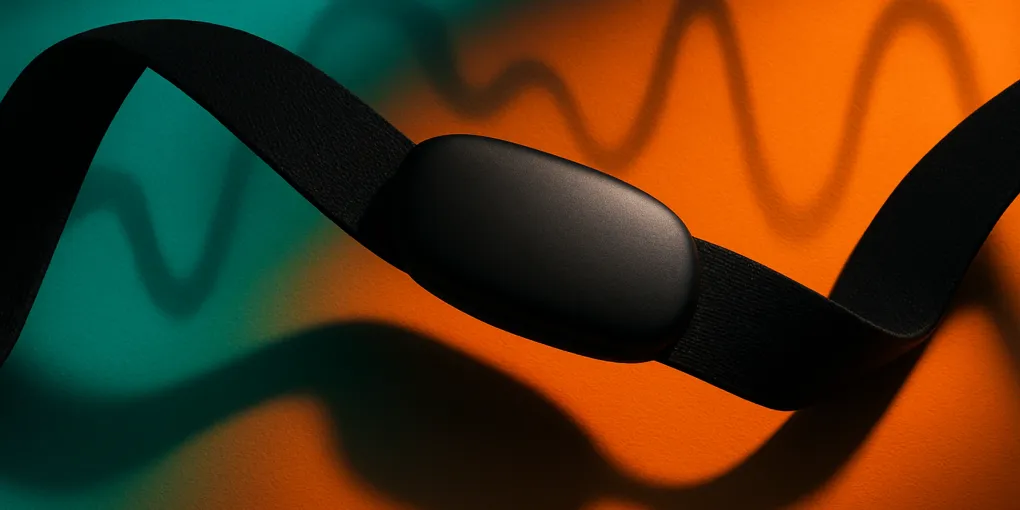
Best Chest Strap Heart Rate Monitors for Zone 2 Training
Buyer's GuideThe best chest strap heart rate monitor for zone 2 training gives a stable signal, pairs with your devices, and stays comfortable on long easy sessions. Chest straps are usually more reliable than wrist optical sensors during motion. This guide explains what to buy, what to skip, and how to avoid bad pacing data.
Affiliate disclosure: This buyers guide contains Amazon affiliate search links. If you buy through those links, Body Science Review may earn a commission at no extra cost to you. We use search links because specific product listings change often.
Why Zone 2 Makes Accuracy Matter
Zone 2 training depends on staying easy enough to accumulate volume without drifting into a harder session. If your monitor lags, spikes, or drops signal, you may chase noise instead of training the intended system. Wrist devices are convenient, but optical heart-rate accuracy can vary with movement, skin contact, sweat, cold, and sport type.
Studies comparing consumer wearables show variable wrist accuracy during exercise (Gillinov et al., 2017; PMID: 28118419; Shcherbina et al., 2017; PMID: 28745696). Chest straps are not perfect, but they are usually the cleaner choice when pacing depends on minute-to-minute heart rate.
Best Overall Category: Dual Bluetooth and ANT+ Strap
For most endurance athletes, choose a chest strap with both Bluetooth and ANT+. This gives you the widest compatibility across watches, bike computers, treadmills, rowers, Peloton, Zwift, and phone apps. Dual-channel Bluetooth is useful if you want to send heart rate to a watch and an app at the same time.
Search Amazon for Bluetooth ANT+ chest strap heart rate monitor. Prioritize brands with replaceable straps, replaceable batteries, and clear warranty support.
Best for Runners: Comfortable Soft Strap
Runners should care about bounce, chafing, and how well the strap behaves once sweat builds. A soft strap with a stable clasp is often better than the most feature-heavy sensor. If a strap creates hot spots on long easy runs, you will stop wearing it.
Look for soft strap heart rate monitor running. Use a small amount of water on the electrodes before starting, especially in dry weather.
Best for Cyclists and Indoor Training: Multi-Device Pairing
Cyclists often need a strap that talks to a watch, bike computer, smart trainer, and training app. This is where ANT+ and multi-Bluetooth support matter. Battery life also matters because indoor training can hide a weak battery until the data starts dropping mid-workout.
Search for heart rate chest strap for Zwift Garmin Wahoo. The right pick is the one that integrates cleanly with your actual devices, not the one with the longest feature list.
When a Watch Is Good Enough
A wrist sensor may be good enough for casual walking, low-stakes recovery sessions, or people who hate chest straps. If your watch tracks smoothly at steady efforts and you are not making important decisions from the number, convenience can win.
Upgrade to a chest strap when your watch shows impossible spikes, lags behind intervals, loses signal in cold weather, or disagrees with perceived exertion every session. Achten and Jeukendrup’s review of heart-rate monitoring remains a useful reminder: heart rate is valuable, but it has limitations and must be interpreted in context (PMID: 12744714).
G6 Composite Scoring Framework
| Criterion | Weight | What earns a high score |
|---|---|---|
| Research | 30% | Uses chest electrical signal for exercise pacing |
| Evidence Quality | 25% | Does not overpromise medical-grade interpretation |
| Value | 20% | Replaceable strap and battery extend lifespan |
| User Signals | 15% | Comfort, pairing reliability, and low dropouts |
| Transparency | 10% | Clear compatibility with Bluetooth, ANT+, and apps |
Setup Checklist
Wet the electrodes before use. Place the strap just below the chest muscles, snug but not restrictive. Pair it directly with the device you will record on. Replace the coin-cell battery when dropouts begin. Rinse the strap after sweaty sessions and let it dry fully.
If readings look strange, compare them with perceived exertion and a manual pulse check during a steady easy effort. Do not use a training monitor to self-diagnose symptoms.
Bottom Line
For zone 2 training, a chest strap is usually the safest buy when reliable pacing matters. Choose dual Bluetooth and ANT+ if you use multiple devices. Choose comfort if you run long. Keep the strap clean, replace worn parts, and remember that heart rate is a guide, not a command.
Buying Checklist by Device Ecosystem
Garmin, Wahoo, and Bike Computers
If you use a bike computer, dual ANT+ and Bluetooth is the safest default. ANT+ can broadcast to multiple receivers, while Bluetooth compatibility helps with phones, tablets, and watches. Check whether your head unit already supports the strap you want, and update firmware before judging dropouts.
Apple Watch and Phone Apps
Bluetooth matters most for Apple Watch and phone-first users. Look for straightforward pairing instructions and reliable reconnect behavior. If you train indoors with a phone app and also record on a watch, dual Bluetooth channels can prevent pairing conflicts.
Peloton, Zwift, and Smart Trainers
Indoor platforms can be picky. Before buying, search the product name with your training app. The best strap on paper is frustrating if the app sees it inconsistently. For indoor cycling, sweat resistance and easy strap washing are especially important because the strap gets soaked.
Accuracy Problems and Fixes
A chest strap can still produce bad data when contact is poor. Dry electrodes are the classic problem during the first 10 minutes of a cold, dry run. Wetting the pads or using electrode gel can fix it. A slipping strap can cause dropouts. A dying coin-cell battery can create random spikes that look like a heart-rate emergency but are really a hardware issue.
Static from synthetic shirts can also interfere in dry weather. Tightening the strap slightly, wetting the shirt contact area, or changing fabric can help. If the sensor pod detaches from the strap, clean the snaps and let everything dry fully before storage.
How to Use Heart Rate Without Over-Controlling Training
Heart rate responds to heat, caffeine, hydration, sleep, stress, altitude, and accumulated fatigue. That means zone 2 is not a single magic number. Use heart rate as a guide alongside breathing, talk-test effort, pace, power, and how the session feels.
A reliable strap helps because it removes one source of noise. It does not remove biological variability. If your easy pace is slower on a hot day at the same heart rate, that is not failure. It is the point of using internal load. If heart rate is unusually high at an easy pace, consider heat, illness, poor sleep, dehydration, or recent training load.
Product Red Flags
Avoid straps that require a closed app for basic use unless you are sure you like that ecosystem. Avoid non-replaceable straps if you train frequently; elastic wears out before electronics do. Be cautious with no-name straps that have many identical listings but little warranty support. The cheap option becomes expensive if pairing fails or the strap cannot be replaced.
Also avoid treating calorie estimates as precise. Even accurate heart-rate data does not guarantee accurate energy expenditure. Shcherbina et al. found energy-expenditure estimates varied widely across wearables, which is why training decisions should focus on effort and adaptation rather than exact calorie numbers (PMID: 28745696).
Maintenance Routine
Rinse the strap after every sweaty session. Once a week, hand wash according to the manufacturer’s instructions and let it air dry. Remove the sensor pod if the instructions say to do so. Do not leave a wet strap crumpled in a gym bag. Salt and moisture shorten strap life and cause contact problems.
Replace the strap when elastic stretches, snaps corrode, or dropouts persist after a battery change. Replace the battery proactively before a race or long event. Carrying one spare coin cell in a gear drawer is cheap insurance.
When to Upgrade
Upgrade from a watch to a chest strap when your training depends on stable heart-rate caps, when wrist data obviously lags intervals, or when indoor apps need a cleaner broadcast. Upgrade from a basic chest strap to a more advanced one only if you need memory recording, dual Bluetooth, running dynamics, or better strap comfort.
Do not upgrade because a strap promises to make zone 2 easier. The monitor only measures. The training adaptation still comes from consistent volume, appropriate intensity, and enough recovery.
How Body Science Review Would Rank Specific Models
A top-ranked strap would need stable readings during steady running and cycling, easy pairing, a replaceable strap, a replaceable battery, and broad compatibility. A product with perfect app design but poor strap durability would not rank first. A product with excellent hardware but confusing pairing could still frustrate beginners.
We would also separate “best for most” from “best for data nerds.” Most zone 2 athletes do not need onboard memory, running dynamics, or advanced metrics. They need a number that does not jump around. Advanced users may value extra channels and storage, but those features should not distract from signal quality.
Field Test Protocol
Test any new strap on three workouts before trusting it. First, do a 45-minute easy run or ride and watch for smooth heart-rate drift. Second, do a short interval session and see whether the strap responds quickly without impossible spikes. Third, use it indoors with your primary app or machine.
If the strap passes all three, it is probably good enough. If it fails one, troubleshoot battery, fit, moisture, and pairing. If it still fails, return it. Training data should reduce friction, not create another project.
Final Buying Rule
Buy compatibility first, comfort second, and advanced metrics third. For zone 2, the best monitor is not the most complex. It is the one you will wear every easy session and trust enough to stop looking at your wrist every minute.
Frequently Asked Questions
Is a chest strap better than a watch for zone 2?
Usually yes when accuracy and signal stability matter. Watches are convenient, but wrist optical sensors can be noisier during exercise.
What features matter most?
Bluetooth, ANT+, comfort, battery replacement, strap replacement, and reliable pairing matter more than flashy metrics.
Why does my chest strap spike at the start?
Dry electrodes, poor contact, static, or a weak battery can cause early spikes. Wet the pads, adjust fit, and replace the battery if problems persist.
Can I use a heart rate monitor for medical decisions?
No. Use it as a training tool only. Symptoms such as chest pain, fainting, or unusual shortness of breath need medical evaluation.
References
- Gillinov S et al. Medicine & Science in Sports & Exercise. 2017. PMID: 28118419.
- Shcherbina A et al. Journal of Personalized Medicine. 2017. PMID: 28745696.
- Parak J and Korhonen I. IEEE EMBC. 2014. DOI: 10.1109/EMBC.2014.6943925.
- Achten J and Jeukendrup AE. Sports Medicine. 2003. PMID: 12744714.
- Jamnick NA et al. Sports Medicine. 2020. PMID: 32072431.
Frequently Asked Questions
- Usually yes for signal stability during exercise, because chest straps measure electrical activity while wrist devices estimate pulse optically.
- Bluetooth is enough for many phone and watch setups, but dual Bluetooth and ANT+ is better if you use bike computers, smart trainers, or multiple devices.
- It should be snug enough not to slide, but not so tight that it restricts breathing. Wetting the electrodes can improve signal pickup.
- No. Consumer monitors are training tools. Unusual symptoms or concerning readings should be discussed with a clinician.