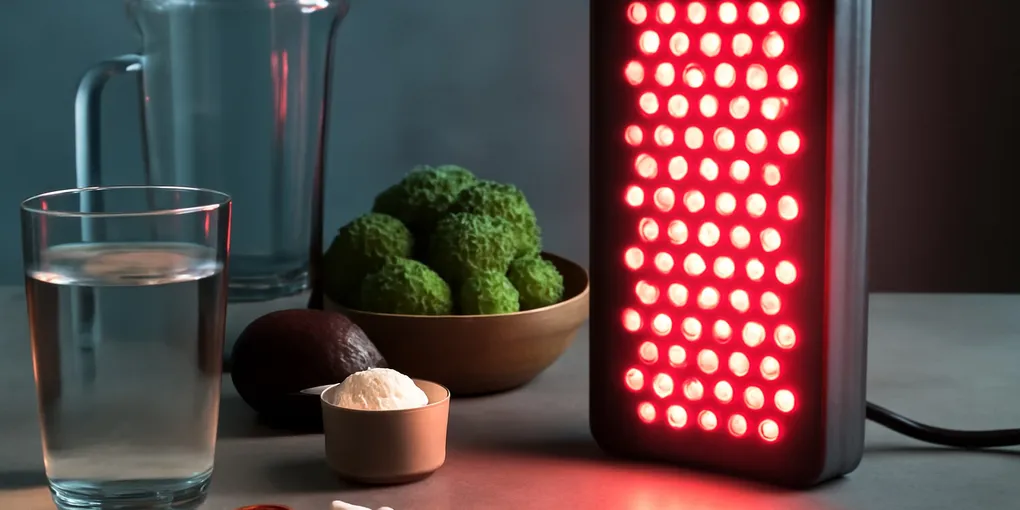
Hooga HG300 red/NIR panel
Best first panel testBest use: One joint, knee, shoulder, or small muscle-area routine before spending on a tall panel
Quick picks
| Product | Key Specs | Pros / Cons |
|---|---|---|
| See price on Amazon |
|
|
| See price on Amazon |
|
|
| See price on Amazon |
|
|
| See price on Amazon |
|
|
Product availability, certifications, and retailer details can change; check the current Amazon page before buying.
Red-light panel bottom line
For recovery, a red-light panel should be treated as a controlled routine device: wavelength documentation, distance, session time, eye protection, and coverage area matter more than dramatic before-and-after claims. If you want a fast shortlist, start with Hooga HG300 red/NIR panel, Mito Red Light MitoPRO panel, Bestqool Pro300 red light therapy panel, then verify the current listing, dimensions, label, size chart, warranty, and return terms before buying.
Red-light panel quick picks
- Best first panel test: Search Amazon for Hooga HG300 red/NIR panel - One joint, knee, shoulder, or small muscle-area routine before spending on a tall panel.
- Best upgrade shortlist: Search Amazon for Mito Red Light MitoPRO panel - Buyers who want a larger named panel family with clearer irradiance and wavelength documentation.
- Best Amazon-available mid-size search: Search Amazon for Bestqool Pro300 red light therapy panel - Home users comparing moderate-size red/NIR panels without going straight to premium towers.
- Best premium model-family comparison: Search Amazon for PlatinumLED BioMax panel - Buyers comparing higher-output multi-wavelength panels and larger treatment areas.
Wavelength, coverage, and setup checks
- named wavelength ranges rather than vague red glow marketing
- panel size matched to one joint versus back or legs
- clear timer, stand, hanging, and eye-protection setup
- return window long enough to test adherence
- claims limited to recovery comfort and routine support
These checks keep the page focused on the actual purchase. Use the named shortlist only after the specs fit your room, body, training plan, and risk tolerance. Do not treat the order above as a live ranking of price, availability, or star ratings.
Panel notes for recovery routines
Hooga HG300 red/NIR panel
Best for: One joint, knee, shoulder, or small muscle-area routine before spending on a tall panel.
Why it made the shortlist: Common 660 nm and 850 nm-style panel format; tabletop size.
Main caveat: Small coverage means more repositioning.
Search Amazon for Hooga HG300 red/NIR panel
Mito Red Light MitoPRO panel
Best for: Buyers who want a larger named panel family with clearer irradiance and wavelength documentation.
Why it made the shortlist: Named recovery-panel ecosystem, multiple sizes, panel-style setup.
Main caveat: Confirm exact model specs and return window.
Search Amazon for Mito Red Light MitoPRO panel
Bestqool Pro300 red light therapy panel
Best for: Home users comparing moderate-size red/NIR panels without going straight to premium towers.
Why it made the shortlist: Common red/NIR panel layout and hanging hardware listings.
Main caveat: Verify eye protection, timer, and warranty details.
Search Amazon for Bestqool Pro300 red light therapy panel
PlatinumLED BioMax panel
Best for: Buyers comparing higher-output multi-wavelength panels and larger treatment areas.
Why it made the shortlist: Well-known panel family with multiple sizes.
Main caveat: Often more panel than casual users need.
Search Amazon for PlatinumLED BioMax panel
Match panel size to treatment area
Start with the body area, not the tallest panel in the search results. A tabletop unit makes sense for a knee, elbow, shoulder spot, or one small muscle group because you can hold distance and session time steady. A mid-size panel earns the upgrade only when you want to cover both quads, the lower back, or a larger shoulder/back area without moving the unit three times. Premium multi-panel families are overkill if the real habit is a five-minute post-lift spot routine.
The listing should show wavelengths, timer controls, mounting hardware, eye-protection guidance, and distance instructions. If the copy promises injury repair or hormone changes, treat that as a reason to leave the listing rather than a bonus feature.
Red-light panel deal-breakers
Avoid listings that promise injury cures, fat loss, hormone changes, or medical treatment. Also avoid panels that hide wavelength, power, distance guidance, or safety instructions.
Also skip listings that make medical promises, hide key specs, or use urgency copy instead of useful documentation. For supplements, do not buy a label that hides the active form or serving math. For equipment, do not buy a product whose dimensions, capacity, or setup requirements are unclear.
Photobiomodulation evidence context
The evidence behind this page supports the behavior more than any single retail listing. Strength equipment should make progressive resistance training easier to perform safely. Cardio tools should support repeatable aerobic minutes. Recovery products should be used with realistic expectations and should not replace medical care, sleep, programming, nutrition, or gradual progression.
Use conservative setup on the first week. For equipment, test the lightest load, slowest speed, or shortest session before trusting the product under fatigue. For supplements or hydration products, read the full label and check with a qualified clinician if you have kidney disease, cardiovascular disease, pregnancy, medication interactions, circulation problems, or a condition that changes fluid, sodium, or training advice.
Recovery-panel checkout checkpoint
Name the job before you buy. A useful shortlist sounds specific: a foldable walking pad for 30-minute work calls, a 10 mm lever belt for heavy squat days, compression socks sized by calf circumference after long runs, or a creatine gummy that still reaches 3-5 grams of creatine monohydrate per day. If the product does not solve that named job, skip it for now.
Distance, eye, and coverage details
For Hooga HG300-style tabletop panels, plan around one body area at a time. They are easier to store and cheaper to test, but treating both quads, a back, and shoulders can become a repositioning chore. For MitoPRO or PlatinumLED BioMax-style upgrades, measure where the panel will hang or stand and whether you can keep a repeatable distance without turning the routine into furniture rearranging.
Recovery claims should stay modest. A red/NIR panel may fit someone who already sleeps enough, trains progressively, and wants a low-friction routine for soreness or comfort. It is a poor purchase if the listing promises injury repair, fat loss, or medical treatment. Eye protection, timer use, and skin tolerance matter more than chasing the largest panel on the first purchase.
For adjacent buying context, see our red light therapy evidence limits.
Panel-size scenario shortlist
For a first trial, choose a small documented red/NIR panel and run one consistent site for a few weeks: same distance, same session length, same training context. For a larger recovery corner, compare coverage area and stand/hanging options before output claims. If two panels look similar, the better buy is the one with clearer setup instructions, easier returns, and less miracle language.
Do not buy a tower because a small panel feels less impressive in photos. Buy the coverage area you can place correctly in the room where you will use it.
Red-light panel listing audit
Before checkout, verify that the current product page still identifies the exact panel family, wavelength mix, included stand or hanging kit, timer controls, eye protection, and warranty terms. Save a screenshot of the setup instructions if they are hard to find; vague distance guidance is a practical reason to choose a better-documented panel.
Recovery-room setup checks
Place the panel where distance can be repeated without guesswork. A chair, yoga mat, or wall mark is more useful than a more powerful device that gets used from a random angle each time. For a knee or shoulder routine, note whether the panel can sit stable at joint height. For a back or hamstring routine, check whether the stand or hanging kit lets the light reach the full area without turning the session into furniture rearranging.
Eye comfort is a buying feature, not an accessory afterthought. A panel used near the face should ship with clear eye-protection instructions, timer behavior, and heat guidance. If the product page shows only lifestyle photos and no practical setup details, choose a better-documented panel family. Recovery use also needs modest expectations: keep the rest of the routine boring and measurable, then judge whether the panel is easy enough to use consistently after training.
Consistency test before sizing up
Run a small consistency test before upgrading panel size. Pick one body area, one distance, one session length, and one time of day, then repeat that setup for several weeks while training load stays roughly comparable. If the routine is annoying, a larger panel will not fix compliance. If the product page does not explain distance, timer use, heat, or eye protection clearly enough for that test, choose a better-documented panel instead of assuming more LEDs equal a better recovery plan.
FAQ
Should I start with a Hooga HG300-size panel or a large MitoPRO-style panel?
Start small if you are testing one joint or one muscle area. Move to a larger panel only if you already know you will treat bigger areas consistently.
What red light therapy panel claim is a red flag?
Skip panels promising injury cures, fat loss, hormone changes, or medical treatment. For recovery shopping, wavelength documentation and safe setup matter more.
Do I need eye protection with a red/NIR panel?
Use the eye-protection and distance guidance from the exact panel instructions, especially with bright panels, face-adjacent use, or longer sessions.