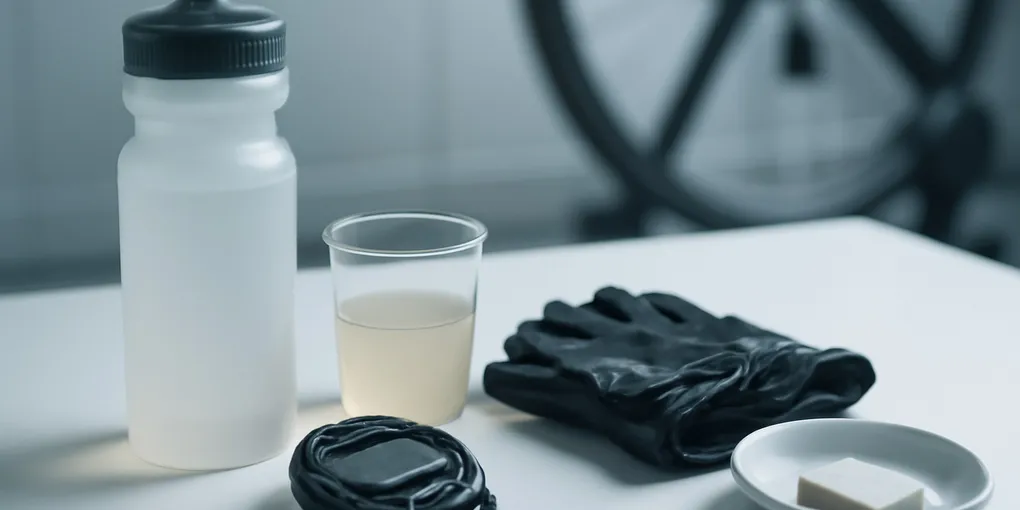
Caffeine Mouth Rinse for Performance: Evidence, Use Cases, and When Caffeine Gum Is Simpler
Evidence ExplainerQuick picks
Run Gum caffeinated gum
★ Top pick Simpler timed caffeine option- Best Use: Short pre-workout caffeine timing when swallowing coffee is inconvenient
- Caveat: Still contributes to total caffeine intake
Military Energy Gum
Higher-caffeine gum format- Best Use: Users who already tolerate caffeine and want a chewable format
- Caveat: Dose can be easy to stack too high
Caffeine powder measuring spoon set
Only for careful formulators- Best Use: Avoid unless you can measure doses precisely
- Caveat: Powder dosing mistakes can be dangerous
Bottom line
Caffeine mouth rinsing is an interesting performance idea, but it is not the best first caffeine purchase for most exercisers. The research suggests that receptors in the mouth may influence perceived effort or central drive in some tasks, yet the effect is inconsistent and much less practical than using a labeled caffeine product at a dose you already tolerate.
If you want a buyer-friendly option, compare Search Amazon for Run Gum caffeinated gum or Search Amazon for Military Energy Gum before experimenting with homemade rinses. A mouth rinse is a niche protocol; gum is easier to dose, carry, and time.
Quick comparison
- Run Gum caffeinated gum: simplest labeled option for a short pre-workout caffeine test. Search Amazon for Run Gum.
- Military Energy Gum: higher-caffeine gum format for users who already know their tolerance. Search Amazon for Military Energy Gum.
- Milligram scale: only relevant if someone is already handling powdered caffeine, which most readers should avoid; precise measurement is mandatory if powder is present. Search Amazon for milligram scales.
Quick take
- Best fit: athletes who already tolerate caffeine and want to test a low-stomach-volume strategy for short hard sessions.
- Weak fit: people seeking a proven supplement upgrade, caffeine-sensitive users, and anyone likely to stack multiple caffeine products.
- Most practical alternative: labeled caffeine gum or a small coffee dose.
- Safety priority: count total caffeine from coffee, pre-workout, gum, gels, and energy drinks.
Practical score
| Factor | Weight | Score | Rationale |
|---|---|---|---|
| Research | 30% | 6.5/10 | Caffeine as an ergogenic aid is well studied, but mouth-rinse-specific results are narrower and mixed. |
| Evidence Quality | 25% | 6.0/10 | Studies vary by task, dose, rinse timing, fasting state, and whether caffeine is swallowed. |
| Value | 20% | 6.5/10 | The concept is cheap to test, but labeled gum is usually more useful than a DIY rinse. |
| User Signals | 15% | 7.0/10 | Athletes like the low-fluid idea, but real-world dosing and taste can be awkward. |
| Transparency | 10% | 8.5/10 | The honest claim is modest: possible small task-specific benefit, not a universal performance boost. |
| Composite | 100% | 6.6/10 | Worth knowing, but not a priority buy unless normal caffeine timing causes problems. |
What the evidence says
Caffeine has stronger support when swallowed at known doses before exercise. The International Society of Sports Nutrition position stand concludes that caffeine can improve several performance outcomes, especially endurance and high-intensity efforts, with individual tolerance and side effects shaping the useful dose.
Mouth rinsing tries to separate oral sensing from digestion. Instead of swallowing a drink, the athlete rinses a caffeine-containing solution briefly and spits it out. Some research has explored whether oral receptors can affect brain responses, perceived effort, or performance. Reviews and trials suggest possible benefits in selected tasks, but the effect is not consistent enough to make this a default protocol.
The practical takeaway: caffeine mouth rinse is a testable edge case, not a replacement for getting sleep, fueling hard sessions, and using caffeine doses responsibly.
When a mouth rinse makes sense
The best case is a short, hard session where you want a caffeine signal but do not want fluid or stomach load. Examples include a late-race cycling effort, a track workout where coffee feels heavy, or a competition setting where you are already managing gels and drinks.
It is less useful for long sessions where swallowed carbohydrate, fluid, and sodium matter. If you are doing a 90-minute ride, a rinse does not solve fueling. If you train in heat, hydration and electrolytes still matter. See our electrolyte powder for hot workouts guide for that decision.
A cautious test protocol
First, establish your normal caffeine tolerance on a non-competition day. Do not combine a new rinse with a new pre-workout, new gel, and race-day nerves.
For a simple experiment, use a labeled caffeine gum instead of a homemade rinse. Chew briefly before a hard interval block, track total caffeine, and compare the session with a similar workout done without it. If you insist on a rinse, use only a clearly dosed product and avoid powders unless you have a milligram scale and know what you are doing.
Keep notes: dose, timing, workout type, perceived effort, stomach comfort, sleep that night, and any jitters or palpitations. One good-feeling workout is not proof; one bad reaction is enough to stop.
Why gum is usually the better buy
Caffeine gum gives you a label, a portable format, and a familiar use pattern. It still acts like caffeine, so it can disrupt sleep, worsen anxiety, or push total intake too high. But as a shopping decision, gum is clearer than trying to recreate a lab rinse protocol in a kitchen.
Search for Search Amazon for Run Gum caffeinated gum, Search Amazon for Military Energy Gum, or Search Amazon for Run Gum workout caffeine gum. Confirm caffeine per serving, serving count, other stimulants, sweeteners, and return policy.
Who should skip it
Skip caffeine mouth-rinse experiments if caffeine reliably causes palpitations, panic symptoms, reflux, tremor, or sleep disruption. Also be cautious with uncontrolled hypertension, heart rhythm concerns, pregnancy, migraine patterns, and medications that interact with stimulants.
Do not stack a rinse or gum on top of a full pre-workout without counting the total. Many performance problems blamed on bad products are really dose problems.
Caffeine mouth rinse FAQ
Do you swallow caffeine mouth rinse?
Research protocols vary, but the mouth-rinse concept usually means rinsing and spitting. Swallowing turns it back into a normal caffeine dose.
Can I use coffee as a mouth rinse?
You can physically rinse with coffee, but dose and taste are imprecise. A labeled gum or drink is a cleaner experiment.
Is caffeine mouth rinse allowed in sport?
Caffeine is generally permitted, but athletes should still check their sport rules and any team supplement policy. Avoid products with undisclosed stimulant blends.
Will it work if I use caffeine every day?
Maybe less noticeably. Habitual caffeine use, sleep debt, and workout type can all change how strong any acute effect feels.
Sources and further reading
- International Society of Sports Nutrition position stand on caffeine and exercise performance: https://jissn.biomedcentral.com/articles/10.1186/s12970-021-00415-7
- Caffeine mouth-rinse performance review, PubMed: https://pubmed.ncbi.nlm.nih.gov/27208458/
- Caffeine mouth rinsing and exercise performance, PubMed: https://pubmed.ncbi.nlm.nih.gov/35892548/
- CDC adult physical activity guidance: https://www.cdc.gov/physical-activity-basics/guidelines/adults.html
Frequently Asked Questions
- Some studies suggest small performance or perception benefits in specific settings, but results are mixed and weaker than the evidence for swallowed caffeine.
- Research protocols often use brief rinses around 5 to 10 seconds before or during exercise, but consumer dosing is not standardized.
- For most buyers, caffeine gum is simpler because the dose is labeled and the product is designed for oral use. It still counts toward total caffeine intake.
- People sensitive to caffeine, with heart rhythm concerns, uncontrolled blood pressure, pregnancy considerations, reflux, anxiety spikes, or medication interactions should get clinician guidance.