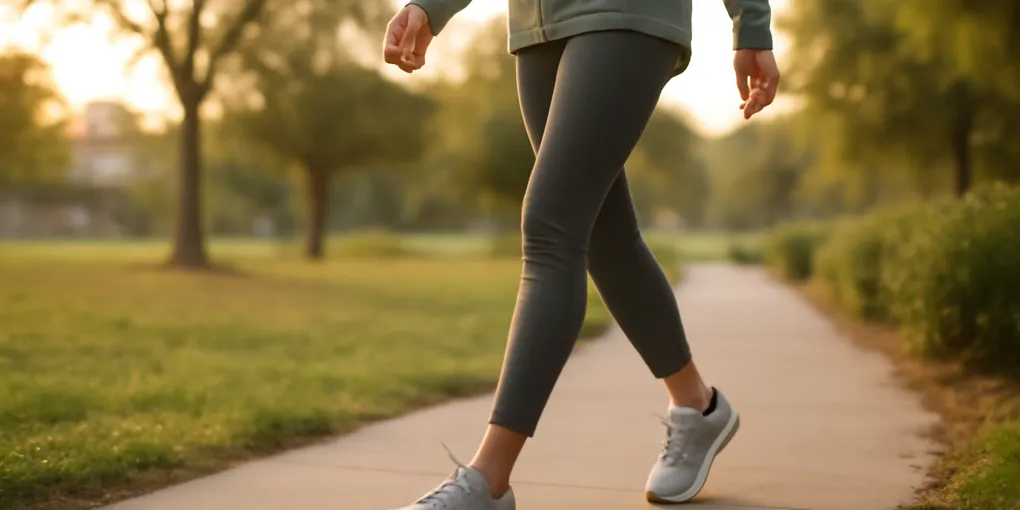
Post-Meal Walking Protocol: The 10-Minute Habit for Better Glucose Control
ProtocolQuick picks
| Product | Key Specs |
|---|---|
| See price on Amazon |
|
| See price on Amazon |
|
| See price on Amazon |
|
Product availability, certifications, and retailer details can change; check the current Amazon page before buying.
Post-Meal Walking Protocol: The 10-Minute Habit for Better Glucose Control
A post-meal walk is one of the lowest-friction cardiometabolic habits available. You do not need a gym, a wearable, or a perfect training plan. You eat, wait a short window, then walk easily enough that you could hold a conversation.
The reason it works is simple: after a meal, blood glucose rises as carbohydrate is digested and absorbed. Contracting skeletal muscle can pull glucose from the bloodstream, partly through insulin-dependent pathways and partly through contraction-mediated GLUT4 translocation. In plain English, moving the large muscles in your legs gives incoming glucose somewhere useful to go.
This protocol is for generally healthy adults who want better post-meal energy, steadier appetite, and a more practical way to support metabolic health. It is not medical treatment. If you use insulin, sulfonylureas, GLP-1 medications, or have diagnosed diabetes, ask your clinician how to monitor safely.
How We Score
We evaluate recommendations using a 5-factor composite scoring system:
| Factor | Weight | What We Measure |
|---|---|---|
| Research Quality | 30% | Human evidence, study design, and relevance to the outcome |
| Evidence Quality | 25% | Dose, timing, population match, and consistency across studies |
| Value | 20% | Cost, setup friction, and likelihood of repeated use |
| User Signals | 15% | Practical adherence, comfort, and common failure points |
| Transparency | 10% | Clear limits, safety caveats, and no overclaiming |
For this protocol, the score favors repeatability over novelty. A 10-minute walk that happens five times per week beats a perfect metabolic plan that only happens twice.
The 10-Minute Protocol
Start with the smallest version that you can repeat.
- Finish a meal that contains meaningful carbohydrate.
- Wait 5 to 15 minutes. You do not need to leave the table instantly.
- Walk for 10 minutes at an easy to moderate pace.
- Keep breathing nasal or relaxed. You should be able to talk.
- Repeat after the meal that usually makes you sleepiest or most snack-prone.
If 10 minutes feels too easy and your schedule allows it, extend to 15 or 20 minutes. If you are starting from a sedentary baseline, 5 minutes is a valid first step.
The goal is not calorie burn. The goal is a reliable muscle-contraction signal during the period when glucose is entering the bloodstream.
Why Timing Matters
A large meta-analysis in Sports Medicine found that even light-intensity walking after meals can improve postprandial glucose and insulin compared with prolonged sitting. The effect is especially relevant because postprandial glucose excursions are linked with cardiometabolic risk, even in people who are not fasting-hyperglycemic.
Research on breaking up sitting time points in the same direction. Short walking breaks interrupt the long sedentary blocks that worsen glucose and insulin responses. The important detail is proximity to the meal. A hard workout six hours later is valuable for fitness, but it does not blunt the same glucose peak as effectively as movement placed near digestion.
A simple rule: if the meal had rice, pasta, bread, potatoes, dessert, a smoothie, cereal, or a large fruit serving, it is a good candidate for a post-meal walk.
Intensity: Easier Than You Think
For most people, the best intensity is Zone 1 to very low Zone 2. That means:
- You can breathe comfortably.
- Your legs feel warm but not heavy.
- You do not need recovery time afterward.
- You could do it again after the next meal.
Higher intensity is not automatically better. Vigorous exercise close to meals can be uncomfortable, and in some people it can transiently raise glucose through stress hormones. The repeatable habit wins.
If walking outside is not practical, use one of these substitutes:
- Walk indoors while listening to a podcast.
- Climb stairs slowly for 3 to 5 minutes.
- Use a walking pad at 1.5 to 2.5 mph.
- Do gentle bodyweight squats to a chair in short sets.
- March in place while cleaning the kitchen.
What to Track
You do not need a continuous glucose monitor to benefit, but feedback helps.
Useful low-cost tracking options:
- Energy level 60 to 90 minutes after the meal.
- Sleepiness or brain fog after lunch.
- Evening snack cravings after dinner.
- Step count after meals.
- Waist, blood pressure, or fasting glucose trends over months.
Optional tools:
- Walking pad search link: Amazon search for compact walking pads
- Chest strap or armband heart rate monitor search link: Amazon search for heart rate monitors
- Simple step counter search link: Amazon search for step counters
Use these product-category searches to compare current footprints, speed ranges, display readability, return policy, and recent buyer feedback before buying.
Four-Week Progression
Week 1: One Anchor Meal
Pick one meal. Most people choose lunch or dinner. Walk 5 to 10 minutes after that meal on at least four days.
Week 2: Make It Automatic
Keep shoes visible, route planned, and phone calls queued. Reduce decision friction. If the weather is bad, use indoor laps.
Week 3: Add a Second Meal
Add a second 10-minute walk after another carbohydrate-containing meal. Do not add intensity yet.
Week 4: Personalize
If you feel better with 15 minutes, keep it. If you only need 7 minutes to stay consistent, keep that. The best protocol is the one you can do 200 times per year.
Common Mistakes
Turning It Into a Workout
If you need a shower, you made it too hard. Save harder training for a separate session.
Waiting Too Long
A walk three hours later is still healthy, but it is less targeted to the post-meal glucose rise.
Only Doing It After “Bad” Meals
Use the walk as a neutral routine, not a punishment. That framing makes it more sustainable.
Ignoring Safety
People with balance issues, neuropathy, chest pain, dizziness, or medication-related hypoglycemia risk should get individualized guidance.
Evidence Snapshot
- A 2022 Sports Medicine meta-analysis found that interrupting sitting with standing or light walking improved postprandial glucose and insulin markers.
- Trials on activity breaks consistently show that brief bouts of walking can reduce glucose and insulin excursions compared with uninterrupted sitting.
- Mechanistic exercise physiology supports the effect because contracting skeletal muscle increases glucose uptake through insulin-independent pathways.
Sources worth reading: Buffey et al., Sports Medicine 2022; Dunstan et al., Diabetes Care 2012; Richter and Hargreaves, Physiological Reviews 2013.
Meal-by-Meal Examples
High-Carb Breakfast
A bowl of oats with banana, toast with jam, cereal, pancakes, or a large smoothie can all produce a noticeable glucose rise. You do not need to avoid those foods automatically. Instead, pair the meal with protein and then walk.
A practical sequence:
- Eat breakfast with a protein source, such as Greek yogurt, eggs, tofu, or protein oats.
- Clear the dishes.
- Walk outside, use stairs, or pace indoors for 10 minutes.
- Start work after the movement break, not before it.
This is especially useful for people who feel a mid-morning energy crash after sweet breakfasts.
Lunch at Work
Lunch is often the easiest place to apply the protocol because many people already have a short break. If you eat at a desk, create a hard rule that the meal is not finished until the walk is finished.
Options that work in office settings:
- Walk the building perimeter.
- Take a call while walking.
- Use stairs slowly for several rounds.
- Walk to a further restroom or coffee station.
- Do indoor laps if weather is bad.
Do not let perfect routes block the habit. Ten unremarkable minutes still count.
Dinner and Sleep
Dinner walks have a second advantage: they replace post-meal couch time with light movement. Keep the intensity easy. The goal is glucose control and digestion, not late-night stimulation.
A relaxed dinner walk may also help with behavioral momentum. People often snack less when they leave the kitchen, change environment, and come back with the meal psychologically finished.
Who Benefits Most
The protocol is most useful for people who:
- Sit for long blocks after meals.
- Feel sleepy after lunch.
- Eat most carbohydrates at dinner.
- Have a family history of type 2 diabetes.
- Are trying to improve body composition without adding another formal workout.
- Want a low-cost habit that pairs with nutrition changes.
It may be less useful if your meals are already small, low in carbohydrate, and followed by physical work. Context matters.
How to Combine With Strength Training
Post-meal walking is not a replacement for strength training. Think of it as metabolic hygiene. Strength training builds muscle and improves long-term glucose disposal capacity. Post-meal walks reduce sedentary exposure around specific meals.
A balanced week might include:
- Two to four strength sessions.
- Daily steps.
- One or two easy Zone 2 sessions.
- Post-meal walks after the meals that need them most.
If you only have time for one change this week, start with the meal walk. It is easier to attach to an existing cue than a full workout.
Troubleshooting
If your stomach feels uncomfortable, wait 15 to 25 minutes instead of 5 minutes.
If your knees hurt, slow down, shorten the walk, choose flatter ground, or use indoor cycling at very low resistance.
If you forget, set a recurring calendar reminder labeled “walk after lunch.” Habit design beats motivation.
If your family resists, make it a shared after-dinner loop rather than a health lecture.
If you use a CGM and see little change, do not panic. The benefit may show up in average glucose, time-in-range, energy, or appetite rather than one perfect curve.
Micro-Protocol for Busy Days
If a normal walk is impossible, use a two-minute minimum. The two-minute version is not the full protocol, but it protects the cue. Stand up, walk to another room, climb one flight of stairs, or do 20 slow calf raises and 10 chair squats. Keeping the habit alive matters because the biggest failure point is not physiology. It is forgetting.
Use this hierarchy:
- Best: 10 to 20 minutes outside.
- Good: 10 minutes indoors.
- Acceptable: 3 to 5 minutes of stairs or house laps.
- Minimum: 2 minutes of any safe movement.
A minimum version prevents the all-or-nothing mindset that kills routines.
Nutrition Pairings That Improve the Result
Walking works better when the meal is not built to overwhelm it. Add protein, fiber, and slower-digesting carbohydrates when possible. For example, rice with salmon and vegetables is easier to manage than rice alone. Oats with Greek yogurt are steadier than sweet cereal by itself.
Sequence may help too. Some studies suggest eating vegetables and protein before starch can reduce glucose excursions compared with eating starch first. You do not need to ritualize every meal, but the principle is useful: slow digestion, add protein, and then move.
Safety Notes for Glucose Monitoring
If you use a CGM, avoid judging the habit from one meal. Hydration, sleep, stress, menstrual cycle phase, alcohol, illness, and meal composition can all change glucose curves. Look for repeated patterns across similar meals.
If you use finger-stick testing, follow your clinician’s plan. Do not add excessive testing just to optimize a wellness routine.
Bottom Line
The post-meal walking protocol is not glamorous, but it is unusually practical. Walk 10 minutes after your most glucose-relevant meal, keep the pace easy, and repeat often. If you want a high-return habit that supports metabolic health without buying a complicated stack, start here.
Frequently Asked Questions
- Start with 10 minutes after your largest carbohydrate-containing meal. If glucose, digestion, or schedule needs justify it, build toward 10 to 20 minutes after two meals per day.
- No. Most people should use an easy to moderate pace that allows conversation. The goal is repeated muscle contraction, not a hard workout.
- No. It is a lifestyle tool. People using glucose-lowering medication should work with a clinician before changing medication, especially if they have diabetes or hypoglycemia risk.
- They solve different problems. Morning exercise improves fitness and insulin sensitivity, while post-meal walking targets the glucose rise from a specific meal.