Tempo Run Heart-Rate Protocol: How to Use a Strap Without Turning Every Run Into a Test
ProtocolQuick picks
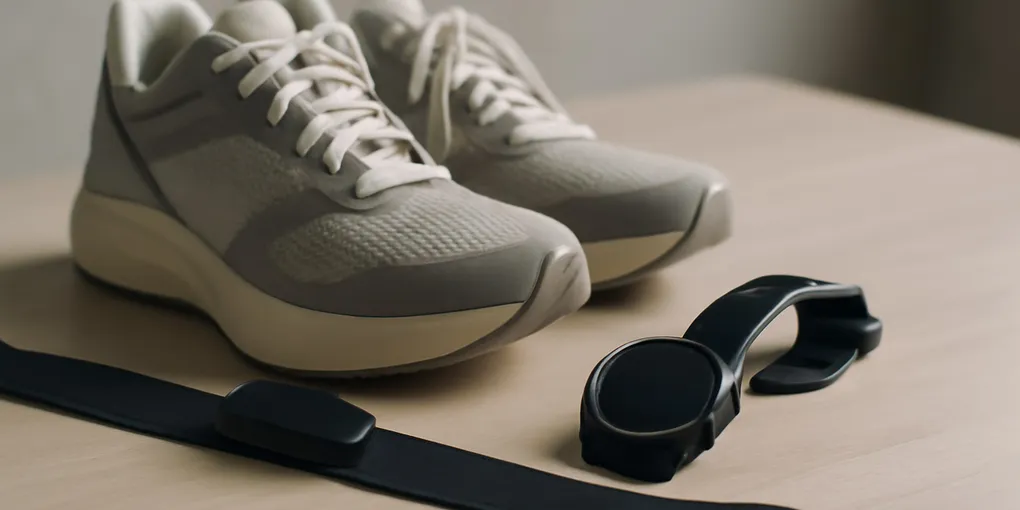
Bluetooth chest strap heart-rate monitor
★ Top pick Best data upgrade for tempo work- Best Use: Runners whose wrist heart-rate data lags during tempo or interval sessions
- Caveat: Heart rate still lags effort; use RPE and pace alongside it
Bottom line
A tempo run should feel controlled-hard, not like a weekly race. Heart rate can help keep the workout honest, but only if you use it as a guardrail instead of a verdict. The practical goal is to finish the final repeat feeling like you could do a little more, not to hit a magical number on your watch.
If your wrist sensor jumps around during faster running, search Amazon for Bluetooth chest strap heart-rate monitors. If your current data already matches effort, spend your money on shoes, sleep, or a simpler training plan.
Who this protocol is for
Use this if you can run continuously for 30 to 45 minutes and want one structured workout per week that improves sustained effort. It works best for runners who have been doing easy mileage consistently and now need a bridge between easy runs and interval sessions.
Do not use it as a comeback workout after illness, injury, or a long layoff. Tempo work hides its cost because it feels manageable while you are doing it. The bill often arrives as heavy legs two days later.
The three-part intensity check
Use three signals at once. First, RPE: the effort should sit around 7 out of 10, where speaking in full sentences is hard but panic breathing has not started. Second, pace: you should not speed up every repeat just because the first one felt easy. Third, heart rate: it should rise steadily and then settle, not spike from the first minute.
Heart rate lags behind effort. That means the first few minutes of a tempo segment may look too easy, and the final minutes may look high even if pace is steady. Do not chase the number second by second.
Starter workout
Warm up for 10 to 15 minutes at easy pace. Add four relaxed 20-second strides if you already tolerate strides well. Then run 3 x 6 minutes at controlled-hard effort with 2 minutes easy jogging between repeats. Cool down for 10 minutes.
If you finish the last repeat straining, shorten the next session. If you finish feeling smooth, repeat the same workout once more before adding time. Progression comes from consistency, not from turning the first tempo day into a personal test.
Four-week progression
Week 1: 3 x 6 minutes controlled-hard, 2 minutes easy.
Week 2: 3 x 7 minutes controlled-hard, 2 minutes easy.
Week 3: 2 x 10 minutes controlled-hard, 3 minutes easy.
Week 4: 20 minutes continuous controlled-hard if the first three weeks felt repeatable. If not, repeat week 2.
Keep the rest of the week mostly easy. If you also lift, avoid placing heavy lower-body training the day before the tempo run. If your calves or Achilles tendons complain, reduce both speed and volume before changing shoes or buying more gadgets.
How to use heart rate without overreacting
Look at the trend after the workout. A good tempo file usually shows a gradual rise during each segment and a manageable drop during recovery jogs. A bad file may show erratic spikes, no recovery, or a heart rate that climbs even as pace slows. Those patterns can mean heat, fatigue, dehydration, poor sensor contact, or simply that the session was too hard.
Use a chest strap when precision matters. Wrist optical sensors can lag during faster running, cold weather, and arm swing changes. Our Polar Verity Sense review covers the armband compromise if chest straps bother you. If you prefer a Garmin ecosystem setup, search Amazon for Garmin chest strap heart-rate monitors and compare compatibility with your watch before buying.
Gear and setup checks
A chest strap is most useful when the rest of the session is controlled. Tighten the strap enough that it does not slide during strides, wet the contact pads before cold-weather runs, and start recording before the first hard segment. If you wait until the tempo block starts, the first minutes may look noisier than they should.
Do not upgrade gear to rescue a bad workout design. If the route has stoplights, sharp turns, steep hills, or heat exposure, heart rate will be harder to interpret. A flat loop, treadmill, or quiet road makes the first few tempo sessions easier to read. Once you know the feel, you can move the workout back outside.
For runners who train by zones, treat the strap as a consistency tool. The same route, similar weather, and similar warm-up should produce a roughly familiar pattern. If the same pace suddenly costs much more effort and heart rate, consider fatigue, heat, illness, or poor recovery before forcing the planned progression.
Stop or downgrade rules
Stop the workout if you feel chest pain, faintness, unusual shortness of breath, or sharp pain. Downgrade to easy running if your breathing feels frantic by the first repeat, your form collapses, or your heart rate is far above normal for the same pace and conditions.
Heat changes the workout. In hot weather, use effort instead of pace. A slower tempo that keeps the same controlled-hard feel is still the right session.
Sources and safety notes
The American Heart Association describes target heart-rate zones as a general intensity tool, not a precise prescription (AHA: target heart rates). CDC adult activity guidance supports combining moderate and vigorous aerobic activity over the week (CDC: adult physical activity guidelines). Wearable heart-rate accuracy varies by device, activity, and conditions (PMID: 31134789).
Tempo run FAQ
What heart rate should a tempo run be?
Use heart rate as a range, not an exact target. For many runners it sits near a controlled-hard threshold effort, but perceived effort and pace stability matter too.
Should I do tempo runs every week?
One per week is enough for most recreational runners who also do easy runs and strength work. Skip or shorten it during high-stress, poor-sleep, or hot weeks.
Do I need a chest strap?
No, but it helps if your wrist sensor gives jumpy data during faster running. RPE and pace can still guide the session.