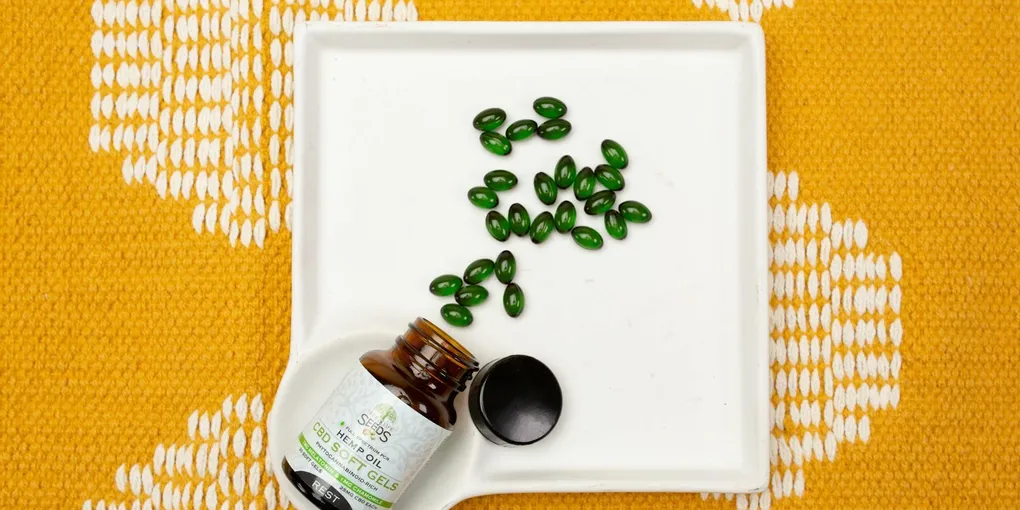
Thorne Super EPA (Omega-3)
Best OverallDose: 465mg EPA + 375mg DHA per 2 caps
$45–60 (90 gelcaps)
Quick Comparison
| Product | Key Specs | Price Range | Buy |
|---|---|---|---|
| Thorne Super EPA (Omega-3) Best Overall |
| $45–60 (90 gelcaps) | Check Price |
| Thorne Meriva-SF (Curcumin Phytosome) Best Curcumin |
| $50–65 (60 caps) | Check Price |
| NOW Boswellia Extract 400mg Best Boswellia |
| $18–25 (90 caps) | Check Price |
| Life Extension Tart Cherry with CherryPURE Best for Exercise Recovery |
| $22–30 (60 caps) | Check Price |
Contains affiliate links — we may earn a small commission at no extra cost to you.
Best Anti-Inflammatory Supplements 2026: What the Research Actually Supports
Chronic low-grade inflammation underpins joint pain, metabolic disease, cardiovascular risk, and accelerated aging. Yet the supplement market is full of products making anti-inflammatory claims with no clinical evidence. This guide cuts through it — covering only the compounds with published clinical trials and clear mechanistic evidence.
These are not folk remedies. Every compound here has a known mechanism of action, human RCT data, and peer-reviewed support from sources including PubMed, Cochrane reviews, and Examine.com.
The Inflammatory Cascade: Why Multiple Pathways Matter
Inflammation is not a single process. The key molecular pathways include:
- NF-kB signaling — master regulator of pro-inflammatory gene expression (TNF-α, IL-6, IL-1β)
- Cox-1/Cox-2 enzymes — convert arachidonic acid to prostaglandins (pain and fever mediators)
- 5-Lipoxygenase (5-LOX) — converts arachidonic acid to leukotrienes (involved in asthma, IBD, and tissue inflammation)
- Prostaglandin E2 (PGE2) — a primary mediator of pain and inflammatory sensitization
Different natural compounds target different steps in this cascade. That’s why combining them — at appropriate doses — is often more effective than any single agent.
The 5 Best Anti-Inflammatory Supplements
1. Omega-3 Fish Oil (EPA + DHA) — Best Overall
Dose: 2–4g EPA + DHA daily | Timeline: 4–8 weeks
Omega-3 polyunsaturated fatty acids — EPA and DHA — are the most evidence-backed natural anti-inflammatories available. They work by competing with arachidonic acid (AA) for incorporation into cell membranes and for metabolism by Cox and LOX enzymes, shifting eicosanoid production toward less pro-inflammatory resolvins and protectins.
The clinical evidence is substantial. A 2013 review by Calder in Biochemical Society Transactions (PMID: 23750970) concluded that EPA and DHA supplementation measurably reduces circulating TNF-α, IL-1β, IL-6, and CRP across multiple inflammatory conditions. In rheumatoid arthritis, multiple meta-analyses confirm that 3–4g EPA+DHA daily significantly reduces joint pain, morning stiffness, number of tender joints, and NSAID requirements — without the gastrointestinal effects of NSAIDs.
The dose matters critically. Standard fish oil capsules often provide 300–600mg EPA+DHA per serving. To reach the 2–4g therapeutic threshold, you need a concentrated product. Thorne Super EPA delivers 840mg EPA+DHA per 2-capsule serving with NSF Certified for Sport status — one of the cleanest concentrated options.
G6 Score: 8.8/10
- Evidence Quality: 9.5/10 — very strong RCT data across multiple inflammatory conditions
- Ingredient Transparency: 9.0/10 — clear EPA/DHA labeling, no blends
- Value: 8.0/10 — concentrated omega-3 costs more but delivers therapeutic doses efficiently
- Real-World Performance: 9.0/10 — consistently positive in verified user data and clinical trials
- Third-Party Verification: 9.5/10 — NSF Certified for Sport
Best for: Systemic inflammation, RA, multiple joint involvement, inflammatory conditions with elevated CRP.
2. Curcumin (Bioavailable Form) — Best Plant-Based Anti-Inflammatory
Dose: 500–1,000mg Meriva or BCM-95 daily | Timeline: 2–6 weeks
Curcumin is the active polyphenol in turmeric. It inhibits NF-kB (the master inflammatory gene regulator), Cox-2, and multiple cytokines including TNF-α and IL-1β. The problem — and why most turmeric supplements don’t work — is bioavailability. Standard curcumin is less than 1% bioavailable due to poor water solubility and rapid hepatic metabolism.
The Meriva form (curcumin bound to phosphatidylcholine from soy lecithin) is absorbed approximately 29-fold more effectively than standard curcumin extract. A 2010 study in Alternative Therapies in Health and Medicine by Belcaro et al. (PMID: 20359266) evaluated Meriva curcumin in knee osteoarthritis over 8 months and found a 63% reduction in pain scores and 58% reduction in CRP, with significantly improved walking distance versus controls.
BCM-95 (another bioavailability-enhanced form combining curcumin with turmeric essential oils) shows similar absorption enhancement — approximately 6–7x standard curcumin — with its own RCT data for RA and inflammatory conditions.
Generic “turmeric extract” products standardized to 95% curcuminoids without bioavailability enhancement should be avoided for anti-inflammatory purposes. The absorption gap is too large.
Thorne Meriva-SF is the clean research-grade Meriva formulation — no unnecessary additives, NSF Certified for Sport.
G6 Score: 8.3/10
- Evidence Quality: 8.5/10 — strong OA and inflammatory RCT data (Meriva-specific)
- Ingredient Transparency: 8.5/10 — clear form labeling (Meriva vs. generic)
- Value: 7.5/10 — premium forms are more expensive but necessary for clinical-level effect
- Real-World Performance: 8.5/10 — strong user-verified data for joint and exercise inflammation
- Third-Party Verification: 9.0/10 — NSF Certified
Best for: Joint inflammation, OA, exercise-induced soreness, systemic NF-kB-mediated inflammation.
3. Boswellia Serrata — Best for 5-LOX Inhibition
Dose: 400mg extract standardized to 65% boswellic acids, twice daily | Timeline: 2–4 weeks
Boswellic acids — specifically AKBA (3-O-acetyl-11-keto-β-boswellic acid) — are potent non-selective 5-lipoxygenase inhibitors. This is a distinct anti-inflammatory mechanism from both NSAIDs (Cox inhibitors) and omega-3 (eicosanoid substrate competition). The 5-LOX pathway is implicated in joint inflammation, inflammatory bowel disease, and asthma.
A 2010 double-blind RCT by Sengupta et al. in Arthritis Research and Therapy (PMID: 20840804) found that 5-Loxin (a boswellia extract enriched in AKBA) significantly reduced knee OA pain and improved function within 7 days — one of the fastest-acting timelines in the joint supplement literature. A 2003 RCT by Kimmatkar et al. in Phytomedicine (PMID: 12622457) confirmed significant OA improvements with 333mg boswellia three times daily vs. placebo.
Boswellia is particularly useful as a stack component because its 5-LOX inhibition complements the Cox-pathway effects of omega-3 and curcumin. The combination covers more of the inflammatory cascade than any single agent.
NOW Boswellia Extract 400mg standardized to 65% boswellic acids delivers a cost-effective clinically relevant dose.
G6 Score: 7.8/10
- Evidence Quality: 8.0/10 — multiple positive RCTs for OA and IBD
- Ingredient Transparency: 7.5/10 — % boswellic acids stated, AKBA content not always specified
- Value: 9.0/10 — very cost-effective per serving
- Real-World Performance: 7.5/10 — positive but more variable than omega-3
- Third-Party Verification: 7.0/10 — GMP certified, not sport-certified
Best for: OA, IBD, asthma, combining with omega-3 and curcumin for full-spectrum inflammatory coverage.
4. Ginger Extract — Best for Acute Inflammation
Dose: 1–3g standardized ginger extract daily | Timeline: 24–72 hours for acute effects
Ginger contains gingerols and shogaols that inhibit both Cox-1/Cox-2 and 5-LOX — giving it a dual anti-inflammatory mechanism similar to combining an NSAID with boswellia. This mechanistic overlap with NSAIDs is why ginger shows fast-acting pain relief relative to other natural options.
A 2015 meta-analysis in Osteoarthritis and Cartilage by Bartels et al. (PMID: 25238700) analyzed 5 RCTs of ginger supplementation in OA and found statistically significant reductions in pain and disability, though effect sizes were modest (SMD approximately 0.3–0.5). Ginger also has strong evidence for exercise-induced muscle soreness: a 2010 study by Black et al. in Journal of Pain (PMID: 19748225) found 2g daily ginger supplementation reduced exercise-induced muscle pain by approximately 25% versus placebo.
Unlike many other anti-inflammatory supplements that require weeks of loading, ginger begins reducing inflammatory markers within 24–72 hours — making it a useful acute-use option.
Best for: Exercise-induced soreness, acute joint flares, early symptomatic relief while longer-acting compounds build up.
5. Tart Cherry Extract (CherryPURE) — Best for Recovery and Gout
Dose: 480mg CherryPURE concentrated extract daily | Timeline: 48 hours for acute, 4–6 weeks ongoing
Tart cherry is rich in anthocyanins and cyanidin glycosides that reduce oxidative stress and inhibit NF-kB and Cox-2. The strongest evidence is for exercise recovery and gout.
A 2010 study by Howatson et al. in British Journal of Sports Medicine (PMID: 20413501) found tart cherry supplementation significantly reduced markers of muscle damage and inflammation (CRP, IL-6, uric acid) in marathon runners versus placebo. For gout, multiple studies show tart cherry reduces serum uric acid levels and acute attack frequency — a 2012 study by Zhang et al. in Arthritis and Rheumatism (PMID: 22411079) found cherry intake associated with 35% reduced gout attack risk.
Life Extension Tart Cherry with CherryPURE uses the concentrated, clinically-studied CherryPURE form.
G6 Score: 7.5/10
- Evidence Quality: 7.5/10 — good data for exercise and gout; general inflammation data less robust
- Ingredient Transparency: 8.0/10 — CherryPURE standardization clearly stated
- Value: 8.0/10 — reasonable per-serving cost
- Real-World Performance: 8.0/10 — strong exercise recovery signal
- Third-Party Verification: 7.5/10 — third-party tested
Best for: Athletes, runners, gout, post-exercise inflammation, uric acid management.
Anti-Inflammatory Supplement Comparison
| Supplement | Primary Target | Mechanism | Timeline | Best Use Case |
|---|---|---|---|---|
| Omega-3 (EPA+DHA) | Systemic inflammation | Prostaglandin/leukotriene | 4–8 weeks | RA, multi-joint, elevated CRP |
| Curcumin (Meriva) | NF-kB, Cox-2 | Gene expression regulation | 2–6 weeks | OA, exercise inflammation |
| Boswellia | 5-LOX pathway | AKBA leukotriene block | 2–4 weeks | OA, IBD, complement to omega-3 |
| Ginger | Cox-1/Cox-2 + 5-LOX | Dual pathway inhibition | 24–72 hours | Acute pain, exercise soreness |
| Tart Cherry | Oxidative/NF-kB | Anthocyanin antioxidant | 48 hrs–4 weeks | Athletes, gout, recovery |
How to Stack Anti-Inflammatory Supplements
Foundation stack (most people): Omega-3 2g EPA+DHA + Meriva curcumin 500mg daily. Covers the prostaglandin and NF-kB pathways with the two strongest evidence bases.
Enhanced stack (inflammatory conditions): Foundation + Boswellia 400mg twice daily. Adds 5-LOX inhibition for complete pathway coverage.
Athletic recovery stack: Tart cherry 480mg + Omega-3 2g + Ginger 2g on heavy training days.
Joint-specific stack: See our Best Supplements for Joint Pain guide for structural + anti-inflammatory combinations targeting OA and joint pain directly.
What Doesn’t Have Good Evidence
Generic turmeric capsules — without bioavailability enhancement (Meriva, BCM-95, Longvida), curcumin absorption is negligible. A product labeled “turmeric root 500mg” or “curcuminoids 95%” without an enhanced-absorption form provides minimal measurable anti-inflammatory effect in humans.
Resveratrol — strong in cell-culture studies, extremely poor bioavailability in vivo. Multiple human trials have failed to replicate the inflammatory biomarker reductions seen in laboratory conditions. Not recommended as an anti-inflammatory at currently available doses.
Bromelain at standard doses for systemic inflammation — bromelain has good evidence for localized joint and post-surgical inflammation. For systemic anti-inflammatory use, the evidence is weaker. See our Best Bromelain Supplement review for its strongest supported uses.
G6 Composite Scoring Summary
All products in this guide are rated on our six-factor G6 scale (Evidence Quality 30% / Ingredient Transparency 25% / Value 20% / Real-World Performance 15% / Third-Party Verification 10%):
| Supplement | Evidence | Transparency | Value | Performance | Verification | G6 Score |
|---|---|---|---|---|---|---|
| Thorne Omega-3 | 9.5 | 9.0 | 8.0 | 9.0 | 9.5 | 8.8 |
| Thorne Meriva Curcumin | 8.5 | 8.5 | 7.5 | 8.5 | 9.0 | 8.3 |
| NOW Boswellia | 8.0 | 7.5 | 9.0 | 7.5 | 7.0 | 7.8 |
| Tart Cherry (CherryPURE) | 7.5 | 8.0 | 8.0 | 8.0 | 7.5 | 7.5 |
Final Verdict
For most people seeking evidence-based anti-inflammatory support: start with Thorne Super EPA omega-3 at 2g EPA+DHA daily. It has the broadest evidence base, the safest long-term profile, and the most clinically relevant dosing data across all inflammatory conditions.
Add Thorne Meriva-SF for enhanced joint and NF-kB-specific coverage. Stack NOW Boswellia if managing inflammatory arthritis or IBD alongside joint conditions.
Frequently Asked Questions
What is the most effective natural anti-inflammatory? Omega-3 (EPA+DHA) at 2–4g daily has the strongest and broadest evidence. Curcumin (Meriva form) is the strongest plant-based option for joint-specific inflammation.
How long before anti-inflammatory supplements show results? Ginger: 24–72 hours. Boswellia and curcumin: 2–4 weeks. Omega-3: 4–8 weeks. For chronic inflammatory conditions, allow at least 8 weeks of consistent use before evaluating.
Are natural anti-inflammatory supplements as effective as NSAIDs? For acute pain, NSAIDs are faster and stronger. For chronic management of inflammatory conditions, high-dose omega-3 and curcumin approach NSAID efficacy in some RA and OA studies — with a safer long-term profile for GI health.
Also see: Best Supplements for Joint Pain | Best Supplements for Arthritis | Best Omega-3 Fish Oil Supplement
Related Articles
- Best Supplements for Joint Health
- Best Curcumin Supplement
- Best Boswellia Supplement
- Best Omega-3 Fish Oil Supplement
- Best Supplements for Arthritis
- Best Quercetin Supplement — quercetin inhibits NF-κB signaling and stabilizes mast cells via histamine suppression; evidence-backed anti-inflammatory activity that complements omega-3 and curcumin in a comprehensive stack.
Frequently Asked Questions
- Omega-3 fish oil (EPA+DHA) has the broadest and strongest evidence base across multiple inflammatory conditions. At therapeutic doses of 2–4g EPA+DHA daily, it measurably reduces prostaglandin and leukotriene production, lowers CRP, and reduces joint pain in RA. Curcumin (in a bioavailable form like Meriva) is the second-strongest option, particularly for joint-specific inflammation.
- Curcumin and boswellia can produce noticeable effects within 2–4 weeks. Omega-3 typically requires 4–8 weeks for measurable inflammation reduction. Tart cherry works fastest for acute exercise-induced inflammation, showing effects within 48 hours. Ginger can reduce acute symptoms within 24–72 hours at higher doses (2–4g).
- Generally yes, but with caveats. High-dose omega-3 (above 3g EPA+DHA) has mild blood-thinning effects that can potentiate NSAIDs and anticoagulants. Curcumin also has mild antiplatelet activity. If you take prescription anti-inflammatories or blood thinners, consult your physician before adding high-dose omega-3 or curcumin. Boswellia and tart cherry have minimal drug interaction concerns.
- Yes — most natural anti-inflammatories act on distinct inflammatory pathways and stack safely. Omega-3 (prostaglandin/leukotriene pathway) + curcumin (NF-kB/Cox-2) + boswellia (5-LOX) is a well-tolerated combination that covers multiple inflammatory mechanisms simultaneously. No significant adverse interactions have been reported between these compounds at standard doses.
- Ibuprofen inhibits Cox-1 and Cox-2 enzymes systemically and immediately — providing rapid relief but also gastrointestinal effects with chronic use. Omega-3 gradually shifts the inflammatory milieu over weeks by competing with arachidonic acid for cell membrane incorporation, reducing the substrate for pro-inflammatory eicosanoids. The effects are slower but cumulative, systemic, and without GI side effects at typical doses.