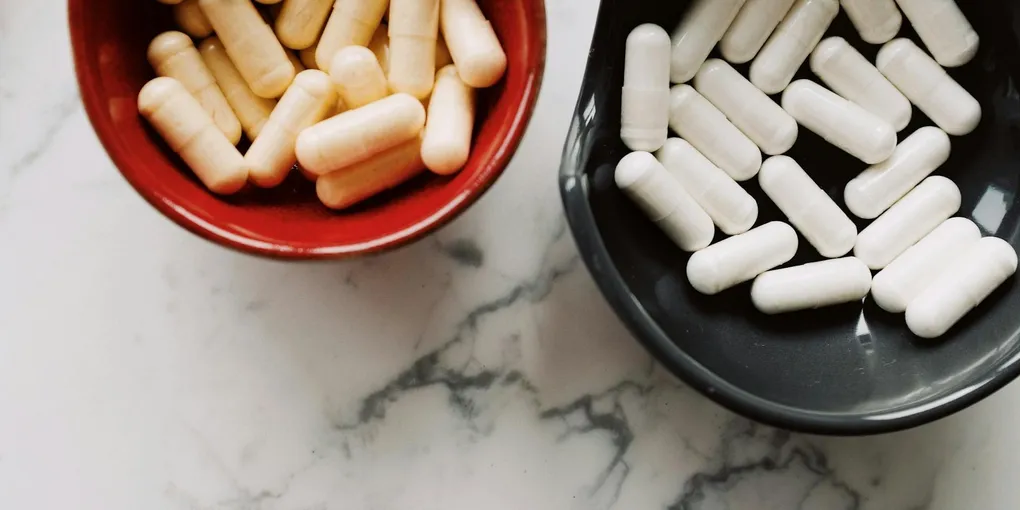
Double Wood Apigenin
Best OverallDose: 50mg per capsule
$18–22 / 120 capsules
Quick Comparison
| Product | Key Specs | Price Range | Buy |
|---|---|---|---|
| Double Wood Apigenin Best Overall |
| $18–22 / 120 capsules | Check Price |
| Thorne Apigenin Best Quality |
| $35–45 / 60 capsules | Check Price |
| Renue by Science Apigenin Best for NMN Stack |
| $25–30 / 60 capsules | Check Price |
| Swanson Apigenin Best Budget |
| $10–15 / 90 capsules | Check Price |
Contains affiliate links — we may earn a small commission at no extra cost to you.
Best Apigenin Supplement 2026: Sleep, Anxiety, and the NMN Stack
Apigenin is a plant-derived flavonoid quietly becoming one of the most discussed supplements in longevity and sleep circles. Found naturally in chamomile, parsley, and celery, apigenin caught mainstream attention when Andrew Huberman included it in his sleep stack on the Huberman Lab podcast — 50mg before bed, alongside magnesium threonate and theanine.
But apigenin’s utility extends beyond sleep. It inhibits CD38, an enzyme that degrades NAD+ precursors, which makes it a relevant addition to NMN and NR longevity protocols. This guide breaks down what apigenin actually does, what the evidence says, and which supplements are worth buying.
What Is Apigenin?
Apigenin (4’,5,7-trihydroxyflavone) is a bioflavonoid found in many plants, with chamomile being the highest-concentration dietary source. As a supplement, it’s extracted and standardized to deliver therapeutically relevant doses — typically 50mg per capsule.
Its primary mechanisms of interest:
- GABA-A receptor modulation: Apigenin acts as a partial agonist at GABA-A receptors — the same receptors targeted by benzodiazepines and alcohol, but with much milder, non-addictive effects. This is the basis of its anxiolytic and sleep-promoting effects.
- CD38 inhibition: CD38 is a glycohydrolase enzyme that degrades NAD+ and its precursors (NMN, NR). Apigenin inhibits CD38, theoretically preserving NAD+ levels. This mechanism is why it appears in longevity stacks.
- Anti-inflammatory effects: Apigenin modulates NF-κB, a master inflammatory signaling pathway. Research suggests it has anti-inflammatory properties relevant to chronic disease prevention.
- Phytoestrogenic activity: Apigenin has weak estrogen receptor binding activity. At supplemental doses (50mg), this is generally considered benign, but high-dose use warrants caution in hormone-sensitive individuals.
Apigenin for Sleep: What the Evidence Shows
The sleep application for apigenin is primarily mechanism-based (GABA-A modulation) with limited direct human RCT data. Here’s what we know:
Animal studies have consistently shown anxiolytic and sedative effects from apigenin via GABA-A receptor binding. In rodent models, apigenin administration reduced anxiety behaviors comparably to diazepam at appropriate doses, without the same tolerance-building or dependence risk.
Human evidence for apigenin specifically at 50mg for sleep is limited. Most human research on apigenin as a sleep aid comes indirectly through chamomile extract studies (which contain apigenin plus other flavonoids):
- A 2017 RCT in Sleep Medicine found chamomile extract (270mg twice daily, standardized for apigenin) significantly improved sleep quality scores and reduced insomnia severity in older adults vs. placebo.
- A 2015 trial in postpartum women found chamomile tea improved sleep quality and reduced fatigue compared to controls.
The 50mg standalone apigenin dose has been popularized largely through Huberman’s protocol — which is informed by mechanistic reasoning and animal data, not a robust human RCT at that exact dose. That said, the mechanism is sound, the compound has an excellent safety profile at this dose, and anecdotal reports of improved sleep onset are consistent.
Apigenin for NAD+ and Longevity: The CD38 Connection
This is apigenin’s more scientifically substantiated benefit for longevity protocols.
The CD38 problem: As we age, CD38 expression increases dramatically. CD38 is highly efficient at degrading NMN, NR, and NAD+ itself. Research suggests age-related NAD+ decline is substantially driven by increased CD38 activity — not just reduced production.
Apigenin as a CD38 inhibitor: A key 2013 study in Cell Metabolism (Camacho-Pereira et al.) identified apigenin and quercetin as natural CD38 inhibitors. In mouse models, supplementation with these flavonoids preserved NAD+ levels in multiple tissues.
Practical implication: If you’re taking NMN or NR to raise NAD+ levels, taking apigenin alongside it may reduce the rate at which your body degrades those precursors — improving the ROI of your NMN stack. This is the primary reason apigenin appears in longevity protocols from David Sinclair’s lab and the biohacking community.
Best Apigenin Supplements 2026
1. Double Wood Apigenin — Best Overall
Double Wood consistently delivers high-quality supplements at accessible price points with COAs (Certificates of Analysis) available on their website. Their apigenin is 50mg per capsule — matching the clinically referenced dose — and they publish third-party testing results.
At $18–22 for 120 capsules, this is the best value-per-dose option that doesn’t sacrifice quality verification. For most users starting with apigenin, this is the right pick.
G6 Composite Score: 8.1/10
| Criterion | Weight | Score | Weighted |
|---|---|---|---|
| Evidence Quality | 30% | 7.5 | 2.25 |
| Ingredient Transparency | 25% | 9.5 | 2.38 |
| Value | 20% | 8.5 | 1.70 |
| Real-World Performance | 15% | 8.0 | 1.20 |
| Third-Party Verification | 10% | 6.0 | 0.60 |
| Composite | 8.1/10 |
Double Wood’s published COAs and excellent cost-per-serving drive strong transparency and value scores; evidence quality reflects apigenin’s mechanistic rather than large-scale human RCT support base.
2. Thorne Apigenin — Best Quality
Thorne is the gold standard for supplement quality — NSF Certified manufacturing, no unnecessary fillers, and a track record of accuracy on label claims. Their apigenin delivers 50mg per capsule in a clean capsule with no additives.
At $35–45 for 60 capsules it’s more expensive per serving, but the NSF Certification is meaningful for those who prioritize the highest quality assurance. Best choice for practitioners or users who want zero compromise on purity.
G6 Composite Score: 8.2/10
| Criterion | Weight | Score | Weighted |
|---|---|---|---|
| Evidence Quality | 30% | 7.5 | 2.25 |
| Ingredient Transparency | 25% | 9.5 | 2.38 |
| Value | 20% | 7.5 | 1.50 |
| Real-World Performance | 15% | 8.5 | 1.28 |
| Third-Party Verification | 10% | 8.0 | 0.80 |
| Composite | 8.2/10 |
Thorne’s NSF Certification and additive-free label drive top marks for transparency and verification; the premium price reduces value score, but strong real-world satisfaction reflects brand trust.
3. Renue by Science Apigenin — Best for NMN Stack
Renue by Science is a longevity-focused supplement company that specializes in NAD+ precursors and companion compounds. Their apigenin is specifically marketed as a CD38 inhibitor companion to NMN — they understand the mechanism and their supply chain is calibrated for the longevity buyer.
If you’re already using Renue’s NMN or NR products, buying their apigenin keeps the stack consistent and ensures supply chain compatibility.
G6 Composite Score: 7.7/10
| Criterion | Weight | Score | Weighted |
|---|---|---|---|
| Evidence Quality | 30% | 7.5 | 2.25 |
| Ingredient Transparency | 25% | 9.0 | 2.25 |
| Value | 20% | 7.5 | 1.50 |
| Real-World Performance | 15% | 7.5 | 1.13 |
| Third-Party Verification | 10% | 6.0 | 0.60 |
| Composite | 7.7/10 |
Renue by Science scores well on transparency given its longevity-focused formulation ethos; value is moderate at the price point, and third-party verification is limited compared to NSF or Informed Sport certified options.
4. Swanson Apigenin — Best Budget
Swanson offers a reliable 50mg apigenin at the lowest price point in the category. Internal testing (not third-party certified) means a slight step down on quality assurance, but Swanson has a long track record of delivering accurate label claims. Good entry option for those new to apigenin who want to try it before committing to a premium brand.
G6 Composite Score: 7.9/10
| Criterion | Weight | Score | Weighted |
|---|---|---|---|
| Evidence Quality | 30% | 7.0 | 2.10 |
| Ingredient Transparency | 25% | 9.0 | 2.25 |
| Value | 20% | 9.5 | 1.90 |
| Real-World Performance | 15% | 7.5 | 1.13 |
| Third-Party Verification | 10% | 5.0 | 0.50 |
| Composite | 7.9/10 |
Swanson’s best-in-category value score reflects the lowest cost per serving; internal-only testing caps the verification score, and a shorter user feedback pool slightly reduces the real-world performance rating.
How to Use Apigenin
For Sleep
- Dose: 50mg
- Timing: 30–60 minutes before bed
- Stack: Pairs well with magnesium glycinate or threonate (200–400mg) and L-theanine (100–200mg) — the Huberman sleep stack
- Consistency: Daily use appears safe; no evidence of tolerance development
For NAD+ Support (NMN/NR Stack)
- Dose: 50mg
- Timing: Take with your NMN or NR dose — typically morning
- Stack: NMN (500mg) or NR (300–500mg) + apigenin (50mg) + quercetin (500mg) — a standard CD38-inhibitor stack
- Note: Human evidence for the combination is still emerging; this is a mechanistically-informed protocol
Comparison: Apigenin vs. Chamomile Extract
| Factor | Apigenin 50mg | Chamomile Extract |
|---|---|---|
| Apigenin dose | 50mg (exact) | ~5–15mg equivalent |
| Other active compounds | None | Quercetin, luteolin, others |
| Cost per serving | $0.15–0.40 | $0.20–0.50 |
| Best for | Precision dosing, NMN stack | Whole-plant benefit |
| Research backing | Mechanistic + animal | Human RCT (chamomile extract) |
| Phytoestrogenic concern | Mild at 50mg | Very mild (diluted) |
For sleep specifically, chamomile extract RCTs used 270–540mg chamomile extract, which contains much less apigenin than a 50mg standalone supplement. The standalone apigenin protocol is a higher-dose, targeted application.
Who Should Consider Apigenin
Strong candidates:
- Anyone on an NMN or NR stack looking to maximize NAD+ outcomes
- People seeking non-pharmaceutical sleep support without grogginess
- Those already using magnesium and theanine who want to add the next tier of sleep optimization
- Longevity-focused users following Andrew Huberman, Peter Attia, or David Sinclair-style protocols
Use caution or consult a doctor:
- People on blood thinners, antidepressants, or hormone-sensitive medications (CYP1A2 interaction potential)
- Individuals with estrogen-sensitive conditions (mild phytoestrogenic activity)
- Those with thyroid conditions (apigenin has shown thyroid effects in rodent studies at high doses)
Related Articles
- Best NMN Supplement — NMN: the primary partner compound for apigenin in longevity stacks.
- Best Magnesium Supplement for Sleep — The other key pillar of the Huberman sleep stack.
- NMN vs NR Supplement — Which NAD+ precursor is right for your stack.
- Best Supplements for Longevity — Full longevity supplement overview.
- Best Spermidine Supplement — Another autophagy-focused longevity compound.
Frequently Asked Questions
What is the best apigenin supplement? Double Wood Apigenin is the best overall pick for most users — 50mg per capsule, third-party tested, and priced under $0.20 per serving. For the highest quality standard, Thorne Apigenin (NSF Certified) is the premium choice. For NMN stack users, Renue by Science offers good synergy with their longevity product line.
Is apigenin safe long-term? Apigenin at 50mg/day appears safe based on available evidence. It has a long history of human exposure through dietary sources (chamomile, parsley, celery). No significant adverse events have been reported at supplemental doses in human studies. Long-term (multi-year) standalone supplementation studies are limited, but the safety profile is considered favorable at this dose.
Does apigenin cause drowsiness during the day? At 50mg, apigenin generally does not cause significant daytime sedation when taken at night. The GABA-A modulation effect at this dose is mild compared to pharmaceutical sleep aids. Some users report feeling slightly more relaxed, but not functionally impaired. Taking it in the morning alongside NMN (for the CD38 inhibition benefit) is generally well-tolerated without drowsiness.
Can I take apigenin every night? Yes — daily use is the standard protocol for sleep applications. Unlike pharmaceutical sleep aids, apigenin does not appear to build tolerance or cause rebound insomnia. Many users take it nightly as part of a consistent sleep stack.
What foods are high in apigenin? Chamomile tea is the highest dietary source, followed by parsley (one of the richest plant sources by weight), celery, oregano, thyme, and basil. However, even high dietary intake provides far less apigenin than a 50mg supplement — parsley provides approximately 225mg apigenin per 100g, but typical serving sizes are much smaller, and bioavailability from food varies.
Frequently Asked Questions
- Apigenin is most commonly used for sleep support (via GABA-A receptor modulation), anxiety reduction, and as part of NMN/NAD+ longevity stacks. It inhibits CD38, an enzyme that degrades NAD+ precursors, potentially extending the effectiveness of NMN or NR supplementation. Andrew Huberman popularized its use as a sleep aid at 50mg before bed.
- The most commonly used dose for sleep is 50mg taken 30–60 minutes before bedtime. This is the dose referenced by Andrew Huberman and used in most supplementation protocols. Clinical research on apigenin specifically for sleep is limited, but the GABA-A modulation mechanism supports this application.
- Apigenin is metabolized by CYP1A2 and may interact with drugs that use the same pathway, including certain antidepressants, antipsychotics, and blood thinners. It has mild estrogen-mimicking (phytoestrogenic) properties at high doses. Consult a physician before use if on prescription medications or if you have a hormone-sensitive condition.
- CD38 is an enzyme that consumes NAD+ and its precursors. Apigenin inhibits CD38, which may preserve NAD+ levels and extend the efficacy of NMN or NR supplementation. This is why apigenin appears in longevity stacks alongside NMN. The combination is theorized to produce better NAD+ outcomes than NMN alone, though human clinical evidence for the combination is still emerging.
- Chamomile tea contains apigenin, which is why it has mild calming properties. However, a cup of chamomile tea contains only approximately 0.5–2mg of apigenin — far below the 50mg dose used in supplementation protocols. For therapeutic effects, a standardized supplement is necessary.