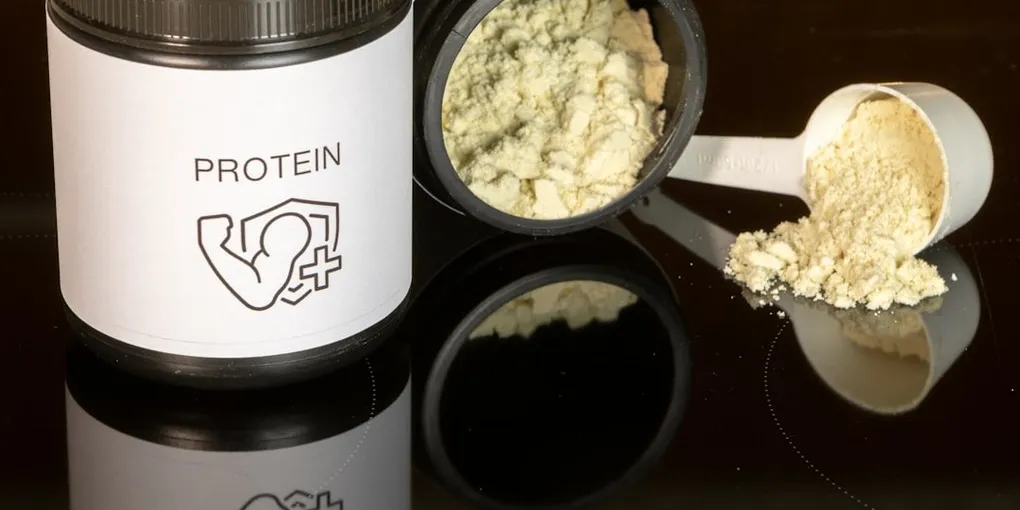
Best Collagen Protein Powder: Top Picks for Joints, Skin, and Recovery in 2026
Collagen has moved well beyond beauty marketing into legitimate clinical research territory. As the most abundant protein in the human body — comprising roughly 25–30% of total body protein and approximately 70% of the dry weight of skin — collagen is the structural scaffold of skin, tendons, cartilage, bone, and connective tissue throughout the body. The question is no longer whether collagen matters biologically, but whether oral collagen supplementation can deliver those benefits through the gastrointestinal tract. The evidence, while still maturing, is increasingly affirmative.
For more targeted reading, see our related deep-dives: Best Collagen Supplement and Best Collagen for Joints.
What Is Collagen and Why Does It Matter?
Collagen is a family of fibrous structural proteins characterized by their distinctive triple-helix structure. There are at least 28 identified collagen types, but the most physiologically relevant for supplementation purposes are:
- Type I collagen: The most abundant form in the body; found in skin, tendon, bone, and ligaments. Primary collagen in most bovine-derived supplements.
- Type II collagen: The dominant collagen in articular cartilage. Both hydrolyzed and undenatured forms are used in joint-specific supplements.
- Type III collagen: Co-localized with type I in skin and vascular tissue; often present alongside type I in bovine supplements.
Hydrolyzed collagen (collagen peptides) is produced by enzymatic hydrolysis of full-length collagen chains into shorter peptide fragments of varying molecular weight. This process dramatically improves water solubility and is associated with improved intestinal absorption and bioavailability compared to intact gelatin.
An important caveat for consumers: collagen is not a complete protein. It lacks tryptophan entirely and has low concentrations of several other essential amino acids. It should not be used as a primary protein supplement for meeting daily protein requirements or supporting muscle protein synthesis. Whey, casein, egg, or plant-based complete proteins remain the appropriate choices for those goals.
The Science Behind Collagen Supplementation
Bioavailability of collagen peptides: A foundational study by Oesser S et al. (Journal of Nutrition, 1999, PMID: 10395606) used radiolabeled collagen peptides in a murine model to demonstrate that hydrolyzed collagen peptides are absorbed intact through the intestinal epithelium and accumulate specifically in cartilage tissue — a finding that provided early mechanistic support for oral collagen supplementation reaching target tissues.
Skin elasticity evidence: Proksch E et al. (Skin Pharmacology and Physiology, 2014, PMID: 24401291) conducted a double-blind, placebo-controlled RCT showing that 2.5 g/day of specific collagen peptides (Verisol, derived from bovine) produced statistically significant improvements in skin elasticity at both 4 and 8 weeks in women aged 35–55. A separate cohort in the same study showed improvements in skin moisture. This remains one of the most-cited clinical trials in the collagen nutrition literature.
Vitamin C co-factor requirement: Vitamin C (ascorbate) is an essential cofactor for prolyl hydroxylase and lysyl hydroxylase — the enzymes responsible for post-translational hydroxylation of proline and lysine residues in procollagen, a prerequisite for triple-helix formation and collagen cross-linking. Shaw G et al. (American Journal of Clinical Nutrition, 2017, PMID: 28093586) demonstrated that consuming collagen protein alongside vitamin C significantly increased markers of collagen synthesis compared to collagen without vitamin C. Many quality collagen supplements now include vitamin C in their formulations for this reason.
Top 3 Collagen Protein Powders Reviewed
1. Vital Proteins Collagen Peptides (20g Collagen per Serving, Grass-Fed Bovine, Type I/III)
Label Analysis: Each scoop provides 20 g of hydrolyzed collagen peptides sourced from grass-fed, pasture-raised bovine hides. Type I and III collagen are clearly identified. The amino acid profile is disclosed, showing high concentrations of glycine (~4,600 mg/serving), proline (~2,800 mg), and hydroxyproline (~2,100 mg) — the dominant amino acids in collagen. No added sugars, no artificial flavors (in unflavored variant). Vital Proteins does not hold an NSF or USP certification, but they are certified by Informed Sport for their Collagen Peptides Sport product (different SKU).
Composite Score Breakdown:
- Evidence Quality (30%): 27/30 — High dose well above clinical trial thresholds; type I/III sourcing appropriate for skin and joint applications.
- Transparency (25%): 23/25 — Amino acid profile disclosed; source and animal welfare standards stated; no NSF on standard SKU.
- Value (20%): 17/20 — ~$1.00–$1.20/serving (20 g); mid-range pricing for category.
- Real-World Performance (15%): 14/15 — Excellent mixability; minimal flavor; widely used across fitness and wellness communities.
- Third-Party Verification (10%): 7/10 — Informed Sport certification on sport SKU; standard SKU lacks independent certification.
Composite Score: 88/100
Best For: Active individuals seeking a high-dose daily collagen peptide supplement for skin elasticity, joint connective tissue, and general recovery support.
Buy Vital Proteins Collagen Peptides on Amazon
2. Garden of Life Collagen Beauty (with Hyaluronic Acid and Biotin)
Label Analysis: Each serving delivers 12 g of hydrolyzed collagen (types I and III, grass-fed bovine) alongside 60 mg hyaluronic acid, 120 mcg biotin, 15 mg vitamin C, and a probiotic blend (Lactobacillus acidophilus, 1 billion CFU). The combination of collagen with vitamin C is evidence-aligned (Shaw G et al., Am J Clin Nutr, 2017, PMID: 28093586). Hyaluronic acid supports skin hydration through its water-binding properties. NSF Certified by NSF International (Contents Certified). Approximate cost: $1.20/serving.
Composite Score Breakdown:
- Evidence Quality (30%): 26/30 — Collagen dose (12 g) meets or exceeds clinical thresholds; co-ingredients (HA, vitamin C, biotin) are evidence-informed for skin health.
- Transparency (25%): 24/25 — NSF Contents Certified; all active co-ingredients quantified; source disclosed.
- Value (20%): 15/20 — At $1.20/serving, this is at the higher end of the category, though co-ingredient value offsets the cost.
- Real-World Performance (15%): 13/15 — Formulated specifically for skin; strong palatability in flavored variants.
- Third-Party Verification (10%): 8/10 — NSF Contents Certified.
Composite Score: 86/100
Best For: Women prioritizing skin health, hydration, and a comprehensive beauty-focused collagen formula with vitamin C co-factor included.
Buy Garden of Life Collagen Beauty on Amazon
3. Great Lakes Wellness Collagen Peptides (12 g, Grass-Fed Bovine)
Label Analysis: Great Lakes Wellness (formerly Great Lakes Gelatin) provides 12 g of hydrolyzed collagen peptides per serving from grass-fed bovine hide. The formulation is minimal — collagen only, no co-ingredients — making it a straightforward, cost-effective option. Approximate price: $0.70/serving. Kosher certified. No NSF or USP certification, but the product is manufactured in a GMP-compliant facility.
Composite Score Breakdown:
- Evidence Quality (30%): 25/30 — 12 g dose is at or near minimum effective dose for joint/connective tissue applications; lower than clinical skin trial doses in some studies.
- Transparency (25%): 21/25 — Source identified; basic amino acid profile available; no independent third-party seal.
- Value (20%): 20/20 — Outstanding value at ~$0.70/serving; best cost-per-gram in the category reviewed.
- Real-World Performance (15%): 13/15 — Clean formulation; easy to add to coffee or smoothies without altering taste.
- Third-Party Verification (10%): 5/10 — GMP/Kosher certified; no independent NSF or USP verification.
Composite Score: 84/100
Best For: Budget-conscious individuals who want a clean, minimal-ingredient collagen peptide supplement without paying a premium for co-ingredients or brand positioning.
Buy Great Lakes Wellness Collagen Peptides on Amazon
Comparison Table
| Vital Proteins | Garden of Life Collagen Beauty | Great Lakes Wellness | |
|---|---|---|---|
| Price (per serving) | ~$1.10 | ~$1.20 | ~$0.70 |
| Collagen per serving | 20 g | 12 g | 12 g |
| Collagen Type | I + III | I + III | I + III |
| Source | Grass-fed bovine | Grass-fed bovine | Grass-fed bovine |
| Co-ingredients | None (standard SKU) | HA, biotin, vitamin C, probiotics | None |
| Third-Party Cert | Informed Sport (sport SKU) | NSF Contents Certified | GMP/Kosher |
| Best For | High-dose daily use | Skin + hydration focus | Budget-conscious daily use |
| Composite Score | 88/100 | 86/100 | 84/100 |
FAQ
Is collagen protein a complete protein?
No. Collagen is not a complete protein. It is entirely devoid of tryptophan and has low concentrations of other essential amino acids including isoleucine, methionine, and threonine. It should not serve as a primary protein source for muscle protein synthesis, immune function, or meeting total daily protein requirements. Collagen’s value lies in its unique amino acid composition — particularly glycine, proline, and hydroxyproline — which are the building blocks of connective tissue, cartilage, and skin matrix rather than skeletal muscle.
Collagen vs. whey protein — which is better for muscle building?
Whey protein is definitively the better choice for supporting muscle hypertrophy. Whey contains a full essential amino acid profile with high leucine content, which is the primary driver of muscle protein synthesis via mTOR pathway activation. Collagen’s amino acid profile is not optimized for this purpose. That said, collagen and whey serve complementary roles: whey supports muscle; collagen supports the tendons, ligaments, cartilage, and skin that surround and connect the musculoskeletal system.
What is the best type of collagen for joint pain?
For joint applications, there are two clinically supported approaches: 1) hydrolyzed type I/III collagen peptides at 10–15 g/day, which accumulate in cartilage tissue (Oesser S et al., J Nutr, 1999, PMID: 10395606) and support joint matrix maintenance; 2) UC-II (undenatured type II collagen) at 40 mg/day, which is proposed to work through an oral tolerance mechanism that modulates autoimmune cartilage degradation. UC-II requires a much lower dose and works through a completely different mechanism than hydrolyzed peptides.
How much collagen protein should you take per day?
Dosing depends on the target outcome. For skin elasticity, as little as 2.5 g/day has shown statistically significant effects (Proksch E et al., Skin Pharmacol Physiol, 2014, PMID: 24401291). For joint and connective tissue support, clinical studies typically use 10–15 g/day of hydrolyzed peptides. Pair collagen with 30–60 mg of vitamin C to support endogenous collagen synthesis, as the vitamin C co-factor is essential for hydroxylation of procollagen precursors (Shaw G et al., Am J Clin Nutr, 2017, PMID: 28093586).
Final Verdict
Collagen protein powder has legitimate clinical support for skin elasticity and joint connective tissue applications when used at appropriate doses alongside vitamin C. Vital Proteins Collagen Peptides leads the group for dose generosity and formulation cleanliness. Garden of Life Collagen Beauty is the top choice for skin-specific outcomes, with vitamin C and hyaluronic acid co-formulated in a single product. Great Lakes Wellness delivers outstanding value for those who want a simple, clean collagen supplement at minimum spend.
Collagen is a powerful addition to a supplement stack targeting skin, joints, tendons, and recovery — not a replacement for complete protein sources or a standalone muscle-building supplement.
For more targeted recommendations based on specific joint conditions, visit Best Collagen for Joints.
Frequently Asked Questions
- No. Collagen is not a complete protein. It is deficient in tryptophan — one of the nine essential amino acids — and is low in several other essential amino acids including isoleucine, threonine, and methionine. Collagen should not be used as a primary protein source for meeting daily protein requirements. It is best used as a targeted supplement for skin, joint, tendon, or connective tissue support alongside a diet that includes complete proteins.
- Whey protein is superior for muscle protein synthesis due to its complete essential amino acid profile and high leucine content. Collagen's amino acid profile (rich in glycine, proline, and hydroxyproline) is specialized for connective tissue synthesis, not skeletal muscle hypertrophy. For muscle building, whey or other complete proteins are the appropriate choice. Collagen is better suited as a complementary supplement for joint and connective tissue recovery.
- For joint-specific applications, type II undenatured collagen (UC-II, 40 mg/day) has clinical evidence for reducing joint discomfort and improving mobility, potentially via an oral tolerance mechanism. Hydrolyzed type I/III collagen peptides (10 g/day) also accumulate in cartilage tissue and support joint matrix maintenance (Oesser S et al., J Nutr, 1999, PMID: 10395606). The choice depends on the joint condition and whether cartilage matrix support or immunological tolerance is the primary goal.
- Clinical trials for skin benefits have used as little as 2.5 g/day (Proksch E et al., Skin Pharmacol Physiol, 2014, PMID: 24401291). Joint and connective tissue applications typically use 10–15 g/day of hydrolyzed collagen peptides, or 40 mg/day of UC-II undenatured collagen. Vitamin C co-ingestion is recommended to support endogenous collagen synthesis (Shaw G et al., Am J Clin Nutr, 2017, PMID: 28093586).
- Clinical evidence suggests yes, at doses as low as 2.5 g/day. Proksch E et al. (Skin Pharmacology and Physiology, 2014, PMID: 24401291) conducted a double-blind, placebo-controlled trial showing that 2.5 g/day of collagen peptides significantly improved skin elasticity at both 4 and 8 weeks compared to placebo. These findings have been replicated in multiple subsequent trials.