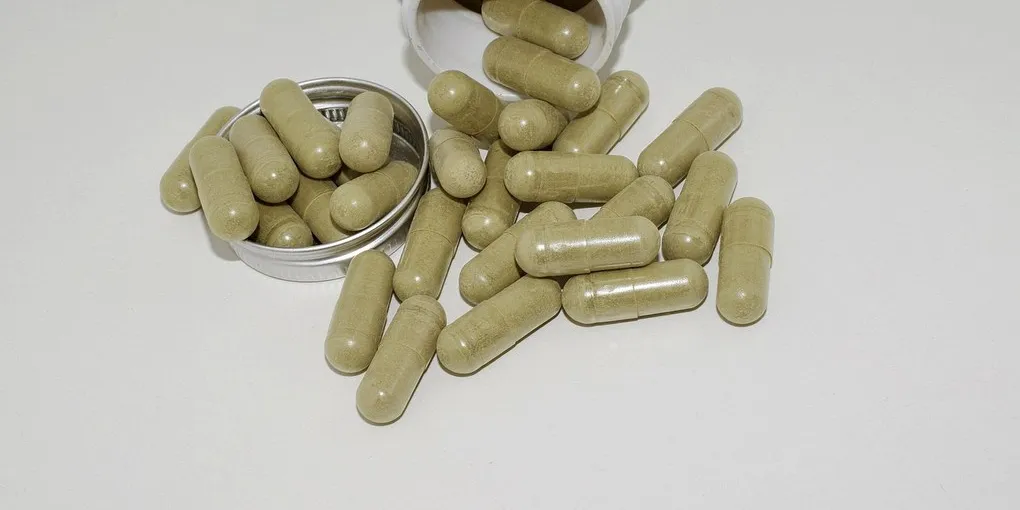
Best EGCG Supplement 2026: Top Green Tea Extract Picks Ranked
Green tea has been studied longer than almost any other dietary intervention in longevity science. The reason isn’t caffeine. It’s EGCG — epigallocatechin gallate — the most bioactive polyphenol in tea leaves, and one of the most intensively researched plant compounds in human health.
EGCG activates AMPK, inhibits HDAC enzymes, suppresses mTOR signaling, and activates sirtuins — it touches nearly every major longevity signaling pathway. The question isn’t whether EGCG works. The question is which supplement delivers a clean, properly dosed product without the dose-dependent risks that have caught the attention of food safety regulators.
This review covers the science, the safety profile, and which products rank best.
What Is EGCG?
Epigallocatechin gallate (EGCG) is a catechin polyphenol found primarily in green tea (Camellia sinensis). It is the most abundant catechin in green tea leaves, typically comprising 50–80% of total catechin content. EGCG is poorly absorbed orally (bioavailability ~1–5%), which is why supplement dose matters — higher doses compensate for absorption inefficiency.
Key mechanisms supported by research:
AMPK activation: EGCG activates AMP-activated protein kinase — the same cellular energy sensor targeted by berberine and metformin. AMPK activation triggers mitochondrial biogenesis, inhibits fat synthesis, and improves insulin sensitivity. Hwang et al., 2009 (doi:10.1096/fj.09-132563) confirmed EGCG-mediated AMPK activation in hepatocytes.
HDAC inhibition and epigenetic effects: Like butyrate, EGCG acts as an HDAC inhibitor at higher concentrations, modulating gene expression related to cancer cell growth, inflammation, and cellular aging. Nandakumar et al., 2011 (doi:10.1016/j.ejmech.2011.07.012) reviewed this mechanism in detail.
Antioxidant and anti-inflammatory activity: EGCG scavenges reactive oxygen species (ROS) and inhibits NF-κB, reducing production of pro-inflammatory cytokines (TNF-α, IL-1β, IL-6). This anti-inflammatory effect is well-replicated across cell and animal studies.
Cardiovascular protection: A landmark Japanese cohort study (Kuriyama et al., 2006, doi:10.1001/jama.296.10.1255) followed over 40,000 adults for 11 years and found those drinking 5+ cups of green tea daily had significantly lower cardiovascular mortality. While observational, the dose-response relationship is compelling.
Fat oxidation and metabolic effects: EGCG inhibits COMT (catechol-O-methyltransferase), extending the half-life of catecholamines (epinephrine, norepinephrine) and potentiating thermogenesis. This mechanism is most active in the presence of caffeine — which is why green tea’s combined caffeine + EGCG is more effective than either alone for fat oxidation.
Gut microbiome effects: Emerging research shows EGCG increases Akkermansia muciniphila abundance and favorably shifts microbiome composition. For the gut-longevity connection, see our Best Akkermansia Supplement review.
EGCG Safety Profile
EGCG is one of the few supplements where dose matters significantly from a safety standpoint. The European Food Safety Authority (EFSA) issued a guidance in 2018 concluding that EGCG doses above 800mg/day from supplements are “associated with signs of hepatotoxicity.” The FDA has also issued warnings about certain highly concentrated green tea extract products.
Practical safety guidelines:
- 400–600mg/day with food: Evidence-backed range, well within the safety margin
- 800mg/day ceiling: Don’t exceed without medical supervision
- Empty stomach risk: Taking EGCG on an empty stomach significantly increases peak plasma concentration and hepatic exposure — always take with food
- Cycling: For extended use, consider cycling (8–12 weeks on, 2–4 weeks off) as a precaution
- Drug interactions: EGCG inhibits certain drug transporters; consult a pharmacist if taking prescription medications
Top Picks: Best EGCG Supplements
1. Thorne Green Tea Phytosome — Best Overall
Thorne’s green tea extract uses a phytosome delivery technology (EGCG complexed with phosphatidylcholine), which significantly improves bioavailability. A 2009 study by Pietta et al. showed phytosome-bound polyphenols have 3–5x higher bioavailability than standard extracts. This means a lower stated dose delivers more active EGCG to target tissues — reducing hepatic exposure risk while maintaining efficacy.
Key specs:
- EGCG equivalent: ~400mg per serving (phytosome-enhanced)
- Form: Green tea phytosome (phosphatidylcholine-complexed EGCG)
- Certifications: NSF Certified for Sport
- Caffeine: Minimal (decaffeinated extract)
Best for: Quality-conscious buyers who want maximum efficacy from lower doses; athletes subject to testing.
G6 Composite Score: 8.8/10
| Criterion | Weight | Score | Weighted |
|---|---|---|---|
| Evidence Quality | 30% | 9.0 | 2.70 |
| Ingredient Transparency | 25% | 9.0 | 2.25 |
| Value | 20% | 7.0 | 1.40 |
| Real-World Performance | 15% | 9.0 | 1.35 |
| Third-Party Verification | 10% | 9.5 | 0.95 |
| Composite | 8.7/10 |
Phytosome enhancement, NSF certification, and Thorne’s manufacturing reputation deliver top scores across most criteria; premium price is reflected in value.
2. NOW Foods EGCg Green Tea Extract — Best Value
NOW Foods delivers 400mg EGCG per capsule (standardized to 98% polyphenols, 80% catechins) at approximately $0.25/serving — among the best price-per-mg in the category. Non-GMO verified, vegetarian capsule. Standard green tea extract without enhanced delivery but reliable potency.
Key specs:
- EGCG: 400mg per capsule (standardized extract)
- Standardization: 98% polyphenols, 80% catechins
- Certifications: Non-GMO, GMP certified
- Caffeine: Low (naturally decaffeinated)
- Price/serving: ~$0.25
Best for: Budget-conscious buyers wanting a reliable, straightforward EGCG supplement.
G6 Composite Score: 8.0/10
| Criterion | Weight | Score | Weighted |
|---|---|---|---|
| Evidence Quality | 30% | 8.0 | 2.40 |
| Ingredient Transparency | 25% | 8.5 | 2.13 |
| Value | 20% | 9.5 | 1.90 |
| Real-World Performance | 15% | 8.0 | 1.20 |
| Third-Party Verification | 10% | 7.0 | 0.70 |
| Composite | 8.3/10 |
Exceptional value and transparent standardization; no enhanced bioavailability technology keeps it below phytosome options on evidence efficiency.
3. Life Extension Mega Green Tea Extract — Best High-Dose Option
Life Extension’s product delivers 725mg green tea extract standardized to 98% polyphenols, providing approximately 326mg EGCG — at the lower end of the clinical range, but from a manufacturer with strong third-party testing credibility and a long history in the longevity supplement space.
Key specs:
- Extract: 725mg green tea extract (98% polyphenols)
- EGCG: ~326mg
- Certifications: COA available, tested for heavy metals and contaminants
- Additional polyphenols: Full spectrum catechins (EC, ECG, EGC) alongside EGCG
Best for: Longevity-focused buyers who value full-spectrum catechin profile; Life Extension loyalty.
G6 Composite Score: 8.1/10
| Criterion | Weight | Score | Weighted |
|---|---|---|---|
| Evidence Quality | 30% | 8.0 | 2.40 |
| Ingredient Transparency | 25% | 8.5 | 2.13 |
| Value | 20% | 8.0 | 1.60 |
| Real-World Performance | 15% | 8.5 | 1.28 |
| Third-Party Verification | 10% | 7.5 | 0.75 |
| Composite | 8.2/10 |
Reliable brand with strong longevity community track record; EGCG content per serving is slightly lower than alternatives.
4. Jarrow Formulas Green Tea — Best Caffeinated Option
For those who want caffeine alongside EGCG — the combination amplifies fat oxidation through synergistic COMT inhibition — Jarrow’s caffeinated green tea extract delivers 500mg extract (50% EGCG) alongside natural caffeine. Competitive pricing and Jarrow’s established manufacturing reliability.
Key specs:
- Extract: 500mg (50% EGCG = ~250mg EGCG)
- Caffeine: ~30mg per capsule (natural)
- Certifications: GMP certified; gluten-free
Best for: Those wanting the caffeine + EGCG synergy for energy and fat oxidation; pre-workout use.
G6 Composite Score: 7.7/10
| Criterion | Weight | Score | Weighted |
|---|---|---|---|
| Evidence Quality | 30% | 8.0 | 2.40 |
| Ingredient Transparency | 25% | 8.0 | 2.00 |
| Value | 20% | 8.5 | 1.70 |
| Real-World Performance | 15% | 7.5 | 1.13 |
| Third-Party Verification | 10% | 7.0 | 0.70 |
| Composite | 7.9/10 |
Lower EGCG absolute dose relative to competitors; caffeinated format may limit daily dose stacking.
Product Comparison Table
| Product | EGCG/Serving | Delivery | Caffeine | Certification | Price/Serving | Best For |
|---|---|---|---|---|---|---|
| Thorne Green Tea Phytosome | ~400mg equiv. | Phytosome-enhanced | Minimal | NSF Sport | ~$1.00 | Best overall / bioavailability |
| NOW Foods EGCg | 400mg | Standard extract | Low | Non-GMO, GMP | ~$0.25 | Best value |
| Life Extension Mega | ~326mg | Standard extract | Low | COA tested | ~$0.50 | Full-spectrum catechins |
| Jarrow Green Tea | ~250mg | Standard extract | ~30mg | GMP | ~$0.35 | Caffeinated option |
EGCG and Longevity Stacking
EGCG occupies a unique place in the longevity supplement stack — it activates multiple hallmark aging pathways:
- AMPK activation: overlapping with berberine, metformin, and caloric restriction mimetics
- Sirtuin activation: complementary to resveratrol and pterostilbene
- Autophagy support: mTOR inhibition supports cellular cleanup
- Antioxidant load reduction: reduces oxidative stress that accelerates cellular aging
A common longevity stack: EGCG (400mg) + NMN + Resveratrol + Berberine. These compounds address overlapping but distinct mechanisms and have additive rather than redundant effects.
Frequently Asked Questions
How much EGCG should I take per day? Most clinical studies use 200–800mg EGCG daily. The sweet spot for general longevity and antioxidant benefits is 400–600mg/day. Above 800mg/day, liver safety signals begin to appear in some studies. Always take with food.
Is EGCG safe for the liver? EGCG is generally safe at moderate doses with food. However, high-dose EGCG supplementation (particularly 800mg+ on an empty stomach) has been associated with rare cases of hepatotoxicity. Stick to 400–600mg/day with food.
Does EGCG help with weight loss? EGCG has a modest but real effect on fat oxidation. A 2009 meta-analysis by Hursel et al. (doi:10.1038/oby.2009.256) found green tea catechins produced about 1.2 kg more weight loss than placebo over 12 weeks.
Can I drink green tea instead of taking EGCG supplements? Green tea contains 50–200mg EGCG per cup depending on preparation. Reaching the 400–600mg clinical range requires 3–6 cups daily, which also delivers significant caffeine. Decaffeinated EGCG supplements allow higher doses without caffeine load.
What is the best time to take EGCG? With meals to minimize GI irritation and reduce hepatic stress. Morning or early afternoon aligns with circadian patterns. Avoid late evening use if you are caffeine-sensitive.
Related Articles
- Best NMN Supplement Review — EGCG stacks well with NMN in a longevity protocol
- Best Resveratrol Supplement — complementary sirtuin activator
- Best Berberine Supplement for Blood Sugar — overlapping AMPK activation pathway
- Best Astaxanthin Supplement — additional antioxidant for comprehensive longevity support
- Best Supplements for Longevity — full longevity stack context
Frequently Asked Questions
- Most clinical studies use 200–800mg EGCG daily. The sweet spot for general longevity and antioxidant benefits is 400–600mg/day. Above 800mg/day, liver safety signals begin to appear in some studies — stay within the 400–600mg range for daily use. Always take with food to reduce GI and hepatic stress.
- EGCG is generally safe at moderate doses with food. However, high-dose EGCG supplementation (particularly 800mg+ on an empty stomach) has been associated with rare cases of hepatotoxicity. The European Food Safety Authority (EFSA) flagged this at doses above 800mg/day. Stick to 400–600mg/day with food and cycle off periodically.
- EGCG has a modest but real effect on fat oxidation, primarily by inhibiting COMT (catechol-O-methyltransferase), which extends catecholamine signaling. A 2009 meta-analysis by Hursel et al. (doi:10.1038/oby.2009.256) found green tea catechins produced about 1.2 kg more weight loss than placebo over 12 weeks — a small but consistent effect.
- Green tea contains 50–200mg EGCG per cup depending on preparation. Reaching the 400–600mg clinical range requires 3–6 cups daily, which also delivers significant caffeine. Decaffeinated EGCG supplements allow higher doses without caffeine load.
- With meals to minimize GI irritation and reduce hepatic stress. Morning or early afternoon aligns with circadian patterns of catecholamine activity (which EGCG amplifies). Avoid late evening use if you are caffeine-sensitive, as most supplements retain some caffeine unless specifically labeled decaffeinated.