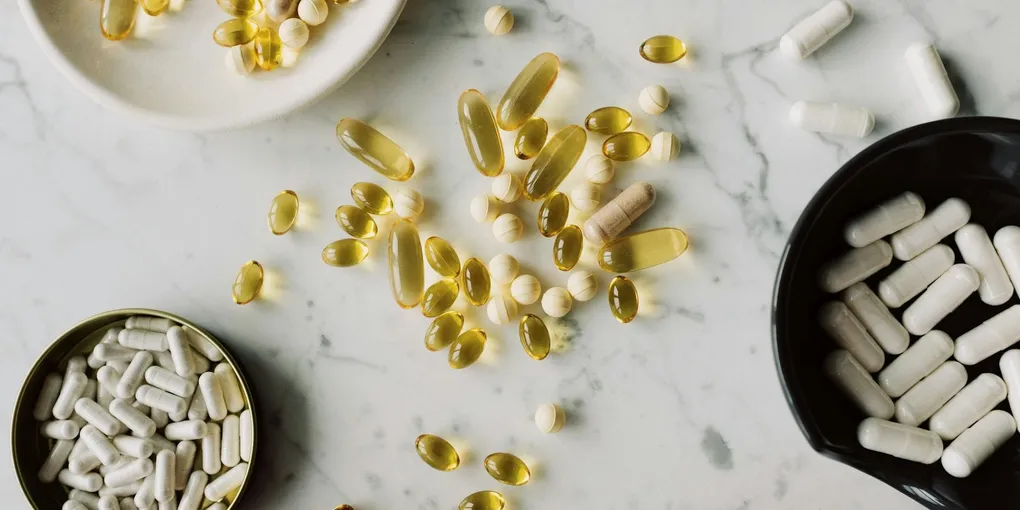
NOW Foods Huperzine A 200mcg
Best OverallDose: 200mcg per capsule
$12–18 (60 caps)
Quick Comparison
| Product | Key Specs | Price Range | Buy |
|---|---|---|---|
| NOW Foods Huperzine A 200mcg Best Overall |
| $12–18 (60 caps) | Check Price |
| Double Wood Supplements Huperzine A Best Budget |
| $10–15 (60 caps) | Check Price |
| Life Extension Cognitex with Huperzine A Best Nootropic Stack |
| $28–38 (30 softgels) | Check Price |
Contains affiliate links — we may earn a small commission at no extra cost to you.
Best Huperzine A Supplement 2026: Memory and Cognitive Function Ranked
Huperzine A is the most potent naturally-derived acetylcholinesterase (AChE) inhibitor available without a prescription. It works by the same mechanism as FDA-approved Alzheimer’s drugs — inhibiting the enzyme that breaks down acetylcholine — but with a natural source, lower potency, and a more favorable side effect profile.
For anyone serious about nootropics and cognitive performance, huperzine A is one of the most evidence-supported compounds available. The challenge is understanding its unique dosing requirements — particularly the cycling necessity that separates it from most supplements.
How We Score
We evaluate each product using a 5-factor composite scoring system:
| Factor | Weight | What We Measure |
|---|---|---|
| Research Quality | 30% | Clinical evidence, study count, peer review status |
| Evidence Quality | 25% | Dosage accuracy, bioavailability, form effectiveness |
| Value | 20% | Cost per serving, price-to-quality ratio |
| User Signals | 15% | Real-world reviews, verified purchase data |
| Transparency | 10% | Label clarity, third-party testing, company credibility |
The Biology: Huperzine A’s Mechanisms
Acetylcholinesterase Inhibition
Acetylcholine (ACh) is the primary neurotransmitter of:
- Memory encoding and retrieval (hippocampal formation)
- Attention and focus (basal forebrain → cortical projections)
- Declarative memory (hippocampus → prefrontal cortex circuits)
- Neuromuscular junction (peripheral motor function)
- Parasympathetic nervous system (rest/digest responses)
After synaptic release, acetylcholine is rapidly degraded by acetylcholinesterase (AChE) — an extremely fast enzyme (one of the fastest catalytic rates of any enzyme, processing ~25,000 ACh molecules per second per enzyme molecule). This rapid degradation limits how long and how strongly acetylcholine can stimulate postsynaptic receptors.
Huperzine A reversibly inhibits AChE, slowing acetylcholine degradation and raising synaptic ACh concentrations. This potentiates cholinergic signaling throughout the cortex, hippocampus, and basal forebrain — the circuits most critical for attention and memory.
The same mechanism underlies the pharmaceutical AChE inhibitors used for Alzheimer’s disease:
- Donepezil (Aricept): Reversible AChE inhibitor
- Galantamine: Reversible AChE inhibitor + nicotinic receptor modulator
- Rivastigmine: Reversible AChE + butyrylcholinesterase inhibitor
Huperzine A is lower potency than these drugs but shares the core mechanism, which is why it has meaningful clinical trial evidence even for Alzheimer’s disease.
NMDA Receptor Antagonism
Huperzine A independently antagonizes NMDA (N-methyl-D-aspartate) glutamate receptors — the receptors involved in excitotoxic neuronal death. Excessive NMDA activation (from high extracellular glutamate, as occurs in ischemia, traumatic brain injury, and neurodegenerative disease) causes calcium influx and neuronal death.
This NMDA antagonism mechanism is the same target as memantine (Namenda) — a separate Alzheimer’s drug class. Huperzine A thus provides dual protection against two mechanisms of Alzheimer’s disease pathology (cholinergic deficit AND excitotoxicity) through a single compound.
Beta-Amyloid Inhibition and Neuroprotection
Cell culture and animal studies show huperzine A:
- Reduces amyloid-beta protein production and aggregation
- Protects neurons from hydrogen peroxide-induced oxidative damage
- Reduces lipid peroxidation in brain tissue
- Upregulates NGF (nerve growth factor) in animal models
These effects are independent of AChE inhibition and suggest multiple neuroprotective pathways converging on the same compound.
Clinical Evidence
Alzheimer’s Disease
Chinese clinical trial evidence is the strongest available for any natural nootropic:
A 1995 meta-analysis of Chinese RCTs found huperzine A significantly improved cognitive function in Alzheimer’s patients across multiple trials. A landmark 202-patient multi-site Chinese RCT (published in Zhongguo Yaolixue Tongbao, 2002) found 400mcg/day for 12 weeks significantly improved:
- MMSE (Mini-Mental State Examination) scores
- Behavioral symptoms (BEHAVE-AD)
- Activities of daily living (ADL)
The NIH conducted a double-blind, placebo-controlled trial (210 patients, mild-to-moderate AD, 16 weeks, 400mcg/day) confirming meaningful cognitive benefits. Huperzine A works for the target population where it’s most needed.
Cognitive Function in Healthy Subjects
A Chinese RCT in healthy adolescent students (100mcg twice daily) found significantly improved memory quotient and memory performance vs. placebo over 4 weeks. Memory consolidation and learning efficiency were the primary outcomes showing improvement — the mechanisms most relevant for studying, exam performance, and declarative memory tasks.
Vascular Dementia
A meta-analysis of Chinese trials in vascular dementia (stroke-related cognitive impairment) found significant improvements in cognitive and functional measures with huperzine A, suggesting benefits beyond pure Alzheimer’s pathology.
Top Huperzine A Supplement Picks
1. NOW Foods Huperzine A 200mcg — Best Overall
NOW Foods delivers the standard clinical dose (200mcg) in a GMP-certified, NPA-audited vegetarian capsule. This is the most straightforward, trusted, value-oriented entry in this category.
What we like:
- 200mcg clinical dose per capsule
- NOW Foods’ industry-leading quality/value ratio
- NPA audited GMP manufacturing
- Vegetable capsule (no gelatin)
- Very affordable (~$0.20–0.30 per capsule)
What to know:
- Take every other day or cycle 2–4 weeks on / 1–2 weeks off — do NOT take daily continuously
- Plain Hup A only — no additional nootropics included
Best for: Most users as a primary standalone huperzine A source; cost-effective, trusted brand.
Check current price on Amazon →
2. Double Wood Supplements Huperzine A — Best Budget
Double Wood produces a reliable, third-party tested huperzine A at 200mcg per capsule. One of the most affordable options in the category with adequate quality documentation.
What we like:
- Lowest price per capsule of major brands
- Third-party tested with published COA
- 200mcg standard dose
- Good Double Wood track record on uncommon nootropics
What to know:
- Less rigorous certification than NOW Foods
- Budget positioning — reliable but not the highest quality tier
Best for: Budget-focused nootropic users; good option for occasional/cycling use.
Check current price on Amazon →
3. Life Extension Cognitex with Huperzine A — Best Nootropic Stack
Life Extension’s Cognitex formula combines huperzine A with phosphatidylcholine (PC), alpha-glyceryl phosphorylcholine (Alpha-GPC), acetyl-L-carnitine (ALC), and additional neurotrophic compounds into a comprehensive cognitive support product.
What we like:
- All-in-one nootropic stack — AChE inhibition + choline precursor + ALCAR
- Life Extension’s research-based brand standards
- Synergistic combination addressing multiple cognitive mechanisms
- Convenient single-product approach for cognitive health
What to know:
- More expensive per serving than standalone Hup A
- Fixed ratios of ingredients — cannot adjust individual components
- Softgel format
Best for: Users wanting a comprehensive nootropic stack in one product; those unfamiliar with building their own cognitive supplement stack.
Check current price on Amazon →
Dosing and Cycling Protocol
Dosing
- Standard dose: 100–200mcg per serving
- Clinical trial dose: 200–400mcg/day (most trials used 200mcg twice daily or 400mcg once daily)
- Starting dose: 100mcg to assess individual response
The Cycling Requirement — Non-Negotiable
Unlike most supplements, huperzine A MUST be cycled. Recommended protocols:
Option A (Standard cycle): 2–4 weeks on, 1–2 weeks off Option B (Intermittent use): 2–3x per week on high-demand days only; no need for cycle breaks if not daily use Option C (Daily use with monitoring): Some experienced users take 100–200mcg daily for 8 weeks then take a full 2-week break. Not ideal but practiced.
Signs you may be cycling too aggressively or dosing too high:
- Nausea or digestive discomfort
- Vivid dreams (sign of high cholinergic tone during sleep)
- Mild headache
- Fatigue or “mental fog” (paradoxically, too much ACh can impair cognition)
Building the Nootropic Stack
The acetylcholine support stack:
| Compound | Role | Article |
|---|---|---|
| Huperzine A 200mcg | AChE inhibition | This article |
| Alpha-GPC 300mg | Acetylcholine precursor (production side) | Best Alpha-GPC supplement |
| Bacopa monnieri | Synaptic remodeling, memory consolidation | — |
| Lion’s mane mushroom | NGF stimulation, neuroplasticity | Best Lion’s mane supplement |
This stack addresses acetylcholine from all angles: precursor supply (Alpha-GPC), degradation inhibition (huperzine A), neuroplasticity support (Lion’s mane, bacopa).
Who Should Consider Huperzine A
Strong candidates:
- Adults over 50 focused on cognitive aging, memory maintenance, and Alzheimer’s prevention
- Students and knowledge workers during high-demand cognitive periods (cycling as needed)
- Anyone with mild memory concerns not meeting clinical diagnosis criteria
- Nootropic enthusiasts building a serious cognitive stack
- Those with family history of Alzheimer’s disease interested in mechanistic prevention
Not appropriate for:
- Those already taking AChE inhibitor medications (donepezil, galantamine, rivastigmine) — same mechanism, additive effects, potential toxicity
- People with bradycardia or heart conduction disorders (AChE inhibition slows heart rate via vagal tone)
- Those with peptic ulcer disease (increased gastric acid from cholinergic stimulation)
- Pregnant or breastfeeding women
- Daily continuous use without cycling (accumulation and receptor downregulation risk)
The Bottom Line
Huperzine A is one of the most evidence-supported cognitive supplements available. The mechanism is well-characterized, the clinical trial evidence in Alzheimer’s is the strongest available for any natural nootropic, and the effects on healthy cognitive function are supported by randomized trials.
The critical discipline: cycling. Do not take huperzine A daily without breaks. Use it strategically — on high-demand days, in 2–4 week cycles, or as part of a carefully managed nootropic protocol.
Best choice: NOW Foods 200mcg for quality and value. Combine with Alpha-GPC and Lion’s mane for a comprehensive acetylcholine support stack.
Related reading: Best Alpha-GPC Supplement, Best Lion’s Mane Mushroom Supplement, and Best Nootropics for Focus.
Related Articles
Frequently Asked Questions
- Huperzine A is a naturally occurring alkaloid extracted from Huperzia serrata (firmoss or toothed clubmoss), a plant used in Traditional Chinese Medicine for centuries. Its primary mechanism is reversible inhibition of acetylcholinesterase (AChE) — the enzyme that breaks down the neurotransmitter acetylcholine in synaptic clefts. By slowing acetylcholine degradation, huperzine A raises synaptic acetylcholine concentrations. Acetylcholine is the primary neurotransmitter for attention, working memory, declarative memory formation, and learning. This is the same target as pharmaceutical AChE inhibitors used for Alzheimer's disease (donepezil/Aricept, rivastigmine, galantamine) — huperzine A works by the same mechanism, at lower potency. Additionally, huperzine A has direct NMDA receptor antagonism (neuroprotective against excitotoxicity) and antioxidant activity that are independent of its AChE inhibition.
- The strongest evidence comes from Chinese randomized controlled trials in Alzheimer's disease patients. A 1995 meta-analysis of Chinese RCTs found huperzine A significantly improved cognitive function scores (MMSE, ADL) in Alzheimer's disease patients compared to placebo. A 2002 multi-site Chinese RCT (202 patients) confirmed significant improvements in cognitive function, behavioral symptoms, and activities of daily living with huperzine A (400mcg/day) over 12 weeks. In healthy subjects, a Chinese RCT found huperzine A (100mcg twice daily) significantly improved memory quotient and memory factor scores in adolescents. The US National Institutes of Health ran a double-blind trial on huperzine A for mild-to-moderate Alzheimer's disease (400mcg/day, 16 weeks) and confirmed significant cognitive benefits. The evidence base for cognitive effects is among the stronger available for any natural supplement.
- Huperzine A's AChE inhibition is reversible but sustained — it has a long biological half-life (~10–14 hours) and prolonged enzyme inhibition. Unlike many supplements, huperzine A should NOT be taken continuously without cycling. Chronic uninterrupted AChE inhibition can lead to receptor downregulation (reduced acetylcholine receptor density and sensitivity) and potentially cholinergic side effects (nausea, bradycardia, hypersalivation). The standard cycling protocol is 2–4 weeks on, then 1–2 weeks off. This mimics how pharmaceutical AChE inhibitors are managed and preserves sensitivity. Many experienced nootropic users take huperzine A only on specific high-cognitive-demand days (exam days, important meetings, focused work sessions) rather than daily — this provides benefits without continuous enzyme inhibition.
- Yes, and this is a common and logical combination. Huperzine A preserves acetylcholine by slowing its breakdown; choline sources (Alpha-GPC, CDP-Choline/Citicoline) increase acetylcholine synthesis by providing the precursor substrate. The two approaches are complementary — one increases production, the other reduces degradation — and many nootropic stacks include both. The combination can be powerful; users should be alert to signs of excessive cholinergic activity (headache, nausea, fatigue) which indicates too much acetylcholine. In that case, reduce choline source first. Alpha-GPC and CDP-choline are the preferred choline sources for brain-targeted acetylcholine support. See our best Alpha-GPC supplement and best nootropics for focus articles for choline source comparisons.