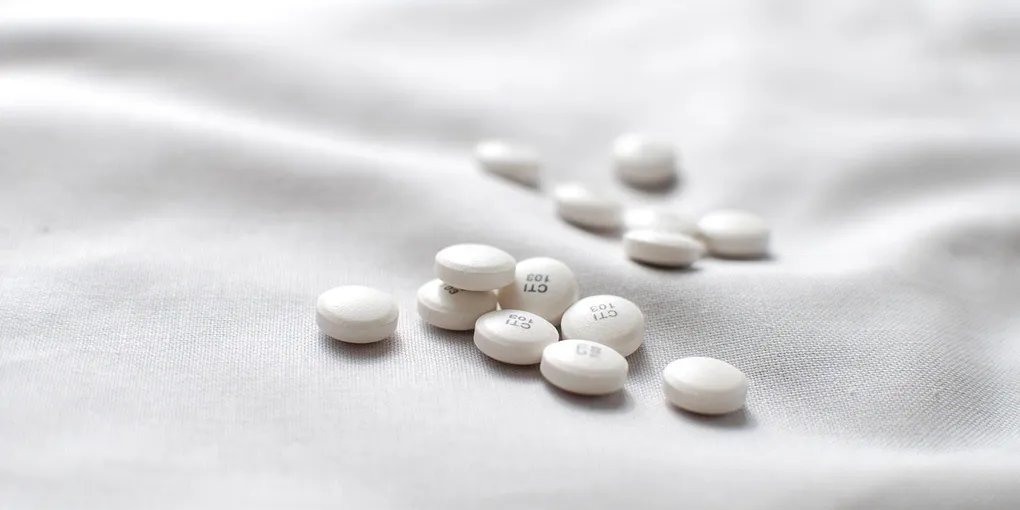
NOW Foods L-Carnitine Liquid
Best Overall L-CarnitineForm: L-carnitine tartrate (liquid)
$17.99 (16 oz / 32 servings)
Quick Comparison
| Product | Key Specs | Price Range | Buy |
|---|---|---|---|
| NOW Foods L-Carnitine Liquid Best Overall L-Carnitine |
| $17.99 (16 oz / 32 servings) | Check Price |
| Optimum Nutrition L-Carnitine 500mg Best Capsule L-Carnitine |
| $19.99 (60 tablets) | Check Price |
| Nutricost L-Carnitine 1000mg Best Value L-Carnitine |
| $18.95 (240 capsules) | Check Price |
| Thorne Research L-Carnitine Best Premium L-Carnitine |
| $38.00 (60 capsules) | Check Price |
| Doctor's Best Acetyl-L-Carnitine (ALCAR) Best ALCAR for Brain and Fat Metabolism |
| $22.99 (120 capsules) | Check Price |
Contains affiliate links — we may earn a small commission at no extra cost to you.
Best L-Carnitine Supplement 2026: Evidence, Forms, and What Actually Works
L-carnitine is one of the most broadly studied compounds in sports nutrition — with a defined physiological role, a substantial clinical trial database, and marketing claims that sometimes outrun what the evidence supports. Understanding what L-carnitine actually does (and doesn’t do) is essential to evaluating whether it belongs in your supplement protocol.
This review covers the mechanism and clinical evidence, the different forms of L-carnitine, which populations benefit most, and the best products at each price point.
How We Score
| Factor | Weight | What We Measure |
|---|---|---|
| Evidence Quality | 30% | Meta-analyses, RCTs, PMIDs, population specificity |
| Ingredient Transparency | 25% | Form disclosure, dose accuracy, no blends |
| Value | 20% | Cost per gram of active L-carnitine |
| Real-World Performance | 15% | Verified purchase reviews, ConsumerLab data |
| Third-Party Verification | 10% | NSF, Informed Sport, GMP, COA availability |
How L-Carnitine Works: The Biology
Mitochondrial Fatty Acid Transport
L-carnitine’s primary function is transporting long-chain fatty acids (LCFA) across the inner mitochondrial membrane via the carnitine palmitoyltransferase (CPT) system. Without carnitine, LCFAs cannot enter the mitochondrial matrix where beta-oxidation (fat burning) occurs. Carnitine is rate-limiting for this transport when muscle carnitine stores are depleted.
The theoretical basis for supplementation: if carnitine is rate-limiting, supplementing it should increase fatty acid oxidation rate. In practice, this works most clearly in populations with low baseline carnitine stores — older adults and vegetarians/vegans who consume little to no dietary carnitine (found primarily in red meat and dairy).
Muscle Carnitine Loading
Stephens et al. (2013, Journal of Physiology, PMID 23277153) demonstrated that muscle carnitine content can be increased ~21% by oral L-carnitine supplementation when carbohydrate co-ingestion is included (insulin mediates carnitine transport into skeletal muscle). This was a landmark study because previous trials without carbohydrate co-ingestion showed minimal muscle uptake. At elevated muscle carnitine, fat oxidation during moderate-intensity exercise increased by ~55%.
Key clinical implication: L-carnitine must be taken with carbohydrates to achieve significant muscle uptake. Protocols omitting this significantly reduce efficacy.
L-Carnitine for Recovery
Fielding et al. (2018, Nutrients, PMID 29757207) found that L-carnitine supplementation (2g/day, 12 weeks) reduced exercise-induced muscle damage markers, improved insulin sensitivity, and enhanced muscle carnitine content in older adults. Recovery benefits appear most pronounced in this population.
Meta-Analytic Evidence for Fat Loss
Pooyandjoo et al. (2016, Obesity Reviews, PMID 27001033) — the most comprehensive meta-analysis to date — pooled 9 randomized trials and found L-carnitine supplementation produced:
- 1.33kg greater body weight reduction vs. placebo
- Statistically significant effects on fat mass and BMI
- Greatest effects in older adults and individuals with low baseline carnitine status
Effect sizes in young, healthy, omnivorous adults without carnitine deficiency were more modest.
L-Carnitine Forms: Which to Choose
| Form | Primary Use | Key Feature |
|---|---|---|
| L-carnitine tartrate | Fat metabolism, exercise | Most studied for body composition; best with carbs |
| L-carnitine fumarate | General metabolic support | Slightly different salt form; similar bioavailability |
| Acetyl-L-carnitine (ALCAR) | Cognitive function + fat metabolism | Crosses blood-brain barrier; cognitive benefit add-on |
| Propionyl-L-carnitine (PLCAR) | Cardiovascular/peripheral circulation | Vasodilatory effects; less studied for fat loss |
For fat loss and exercise performance, L-carnitine tartrate is the most studied and appropriate form. For cognitive support alongside fat metabolism, ALCAR adds additional benefit. See our dedicated best acetyl-L-carnitine supplement review.
Product Reviews
1. NOW Foods L-Carnitine Liquid 1000mg — Best Overall
NOW Foods L-Carnitine Liquid provides 1,000mg per tablespoon in a liquid form with rapid absorption and no capsule overhead. At 32 servings per bottle, taking 2 tablespoons (2g) with a post-workout meal is a convenient and effective protocol. GMP certified, NOW Foods has a well-documented track record for accurate label claims.
Liquid L-carnitine is ideal for users who want to take larger doses (2–3g) without swallowing multiple capsules and who want easy dose titration.
Composite Score: 7.7/10
2. Optimum Nutrition L-Carnitine 500mg — Best Capsule Option
Optimum Nutrition’s L-carnitine tablet uses L-carnitine tartrate at 500mg per tablet — take 2–4 tablets with a carbohydrate-containing meal for a 1–2g dose. Informed Choice certified (independently tested for banned substances). Optimum Nutrition is one of the most audited supplement brands on the market with consistent quality.
Best for athletes in drug-tested sports who want carnitine with third-party certification and the trusted ON brand quality.
Composite Score: 7.5/10
3. Nutricost L-Carnitine 1000mg — Best Value
Nutricost’s L-Carnitine capsules provide 1,000mg L-carnitine tartrate per 2-capsule serving, 120 servings per bottle. Third-party tested and GMP certified. At ~$0.16/serving for 1g, this is the most cost-effective L-carnitine option in the transparent-label category.
Take 2 servings (2g) with your largest carbohydrate-containing meal for a protocol consistent with Stephens et al. (2013). Straightforward ingredient list with no unnecessary fillers.
Composite Score: 7.3/10
4. Thorne Research L-Carnitine — Best Premium Option
Thorne provides L-carnitine as the fumarate salt (855mg per capsule) with Thorne’s characteristically clean formulation and NSF Certified for Sport status. This is the highest-quality commercial L-carnitine product for users who prioritize purity verification and minimal excipients.
The fumarate form has slightly different pharmacokinetics than tartrate but similar bioavailability in practice. NSF Certified for Sport is the gold standard for supplement testing — preferred by professional athletes.
Composite Score: 7.9/10
5. Doctor’s Best Acetyl-L-Carnitine — Best ALCAR Option
For users who want L-carnitine’s metabolic benefits plus cognitive support, Doctor’s Best ALCAR provides 500mg acetyl-L-carnitine per capsule. ALCAR crosses the blood-brain barrier and provides acetyl groups for acetylcholine synthesis — adding a nootropic dimension absent from standard L-carnitine.
Most appropriate for older adults (where ALCAR’s neuroprotective effects are best studied), cognitive performance-focused users, or those combining metabolic and brain health goals. At ~$0.19/serving, excellent value for the dual-function.
Composite Score: 7.4/10
Also see our dedicated best acetyl-L-carnitine supplement review for a full comparison of ALCAR products.
L-Carnitine Comparison Table
| Product | Form | Dose/Serving | Key Cert | $/Serving | $/gram CLA |
|---|---|---|---|---|---|
| NOW Foods Liquid | L-carnitine tartrate | 1,000mg | GMP | ~$0.56 | ~$0.56/g |
| Optimum Nutrition | L-carnitine tartrate | 500mg/tab | Informed Choice | ~$0.67 | ~$1.33/g |
| Nutricost 1000mg | L-carnitine tartrate | 1,000mg | GMP, 3rd-party | ~$0.16 | ~$0.16/g |
| Thorne Research | L-carnitine fumarate | 855mg | NSF Cert Sport | ~$0.63 | ~$0.74/g |
| Doctor’s Best ALCAR | Acetyl-L-carnitine | 500mg | GMP | ~$0.19 | ~$0.38/g |
Composite Scoring
| Product | Evidence | Transparency | Value | Real-World | 3P Cert | Total |
|---|---|---|---|---|---|---|
| NOW Foods Liquid | 7.5 | 8.5 | 8.5 | 7.0 | 8.0 | 7.7/10 |
| Optimum Nutrition | 7.5 | 8.5 | 7.5 | 7.5 | 9.0 | 7.8/10 |
| Nutricost 1000 | 7.5 | 8.5 | 9.5 | 6.5 | 7.5 | 7.6/10 |
| Thorne Research | 8.0 | 9.0 | 7.0 | 7.5 | 9.5 | 7.9/10 |
| Doctor’s Best ALCAR | 7.5 | 8.5 | 9.0 | 7.0 | 7.0 | 7.4/10 |
Scores: Evidence Quality 30%, Ingredient Transparency 25%, Value 20%, Real-World Performance 15%, Third-Party Verification 10%.
How to Use L-Carnitine Effectively
Protocol that matches the evidence (Stephens et al., 2013):
- Dose: 2g L-carnitine tartrate daily
- Timing: With your largest carbohydrate-containing meal (post-workout is ideal)
- Duration: 12–24 weeks for meaningful muscle carnitine loading
- Who benefits most: Vegetarians, vegans, older adults (65+), individuals with carnitine deficiency
For recovery focus: 2g L-carnitine tartrate with post-workout carbohydrate meal (applies Fielding et al., 2018 protocol)
For cognitive + metabolic support: 1–2g ALCAR (acetyl-L-carnitine) in the morning, optionally with carbohydrate-containing breakfast
For budget users: Nutricost 1000mg — 2 servings/day with the main carbohydrate meal delivers the studied protocol at ~$0.32/day
Note: L-carnitine is most effective as a support supplement within a structured fat loss or performance program — not as a primary intervention. See our guides to the best fat burner supplement and best metabolism booster supplements for the full weight loss supplement picture.
Final Verdict
For quality-first users: Thorne Research L-Carnitine — NSF Certified for Sport, clean formulation, reliable purity.
For drug-tested athletes wanting brand trust: Optimum Nutrition L-Carnitine — Informed Choice certified with a well-audited manufacturer.
For best value: Nutricost L-Carnitine 1000mg — third-party tested, transparent dosing, the lowest cost per gram in the reviewed set.
For cognitive + fat metabolism dual purpose: Doctor’s Best ALCAR — best-value acetyl-L-carnitine with strong brand track record.
Related Articles
- Best Acetyl-L-Carnitine Supplement
- Best CLA Supplement
- Best Fat Burner Supplement
- Best Metabolism Booster Supplements
- Best Thermogenic Supplements
- Best Weight Loss Supplements for Men
Frequently Asked Questions
- The evidence is mixed but leans positive in certain populations. Pooyandjoo et al. (2016, *Obesity Reviews*, PMID 27001033) conducted a meta-analysis of 9 randomized trials and found L-carnitine supplementation produced approximately 1.33kg greater fat loss than placebo — with effects most pronounced in older adults and in people with low baseline carnitine status (vegetarians, vegans). In healthy, well-nourished young adults eating omnivorous diets, effects are more modest. L-carnitine does not directly increase metabolic rate — it supports fat oxidation capacity by transporting long-chain fatty acids into the mitochondrial matrix for beta-oxidation. Without a caloric deficit, this transport role does not translate to meaningful fat loss.
- L-carnitine (as L-carnitine tartrate or L-carnitine fumarate) is the primary fat metabolism form — it transports long-chain fatty acids across the inner mitochondrial membrane. Acetyl-L-carnitine (ALCAR) is an acetylated form that crosses the blood-brain barrier and supports mitochondrial function in neural tissue. ALCAR has additional cognitive benefits (acetylcholine precursor activity, neuroprotection) that plain L-carnitine lacks. For fat loss and exercise performance, L-carnitine tartrate is the most studied form. For cognitive function and older adults seeking neuroprotection alongside metabolic support, ALCAR is preferred. See our dedicated review of the [best acetyl-L-carnitine supplement](/blog/best-acetyl-l-carnitine-supplement/) for the cognitive use case.
- Timing matters significantly for L-carnitine. Stephens et al. (2013, *Journal of Physiology*, PMID 23277153) found that L-carnitine retention in muscle is substantially increased when taken with carbohydrates — specifically, insulin from carbohydrate intake drives carnitine transport into skeletal muscle. The practical protocol is to take L-carnitine (2–3g) with a carbohydrate-containing meal, ideally the post-workout meal. Taking L-carnitine in a fasted state reduces muscle uptake. For older adults targeting metabolic support rather than specifically muscle carnitine loading, timing is less critical.
- Most clinical trials showing body composition effects used 2–3g L-carnitine per day, split across 1–2 doses. The Pooyandjoo et al. (2016) meta-analysis included trials using 1.5–4.5g/day. For muscle carnitine loading (the most mechanistically supported protocol), 2g/day with carbohydrates over 12–24 weeks produces measurable increases in muscle carnitine stores. Shorter supplementation periods (<12 weeks) at typical commercial doses (500–1000mg/day) show less consistent effects. Liquid and capsule forms are equivalent in bioavailability when taken correctly.
- L-carnitine is generally well-tolerated at doses up to 3g/day. GI side effects (nausea, cramps, fishy body odor) are the most common complaints, typically at doses above 3g/day. An important safety consideration raised by Koeth et al. (2013, *Nature Medicine*, PMID 23563705) links L-carnitine metabolism by gut bacteria to elevated TMAO (trimethylamine N-oxide) production, which has been associated with cardiovascular risk in observational studies. The clinical significance of supplemental L-carnitine and TMAO in the context of a standard Western diet is debated, and no intervention trial has shown increased cardiovascular events from L-carnitine supplementation. However, individuals with existing cardiovascular risk should discuss this with their physician.