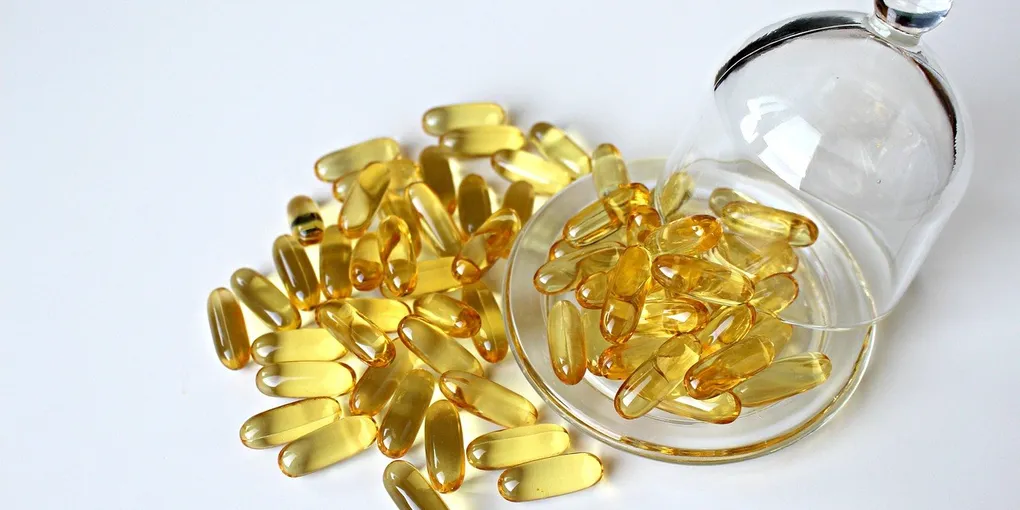
MCT oil has become one of the most widely discussed supplements in the keto, intermittent fasting, and weight-management communities. You will find it in bulletproof coffee recipes, pre-workout stacks, and meal-replacement shakes. The claims range from impressive to exaggerated, so this review cuts through the noise, examines the actual clinical literature, and gives you an honest ranking of the top products available in 2026.
What Is MCT Oil?
MCT stands for medium-chain triglyceride. Triglycerides are the molecular form in which most dietary fat is stored and transported — three fatty acid chains attached to a glycerol backbone. “Medium-chain” refers to the length of those fatty acid chains, which range from 6 to 12 carbon atoms.
Unlike long-chain triglycerides (LCTs), which require bile salts for digestion and are packaged into chylomicrons for transport through the lymphatic system, MCTs are absorbed directly through the portal vein and transported straight to the liver. This metabolic shortcut is the foundation of most MCT oil claims: faster energy delivery, reduced fat storage, and enhanced ketone production.
MCT oil is most commonly derived from coconut oil or palm kernel oil through a fractionation process that concentrates specific fatty acid chains. A high-quality MCT oil product is not the same as plain coconut oil — the fractionation process removes most of the longer-chain lauric acid and concentrates the shorter, more metabolically active chains.
Types of MCT Fatty Acids: C8, C10, and C12
Not all MCTs are equal. The four medium-chain fatty acids found in commercial MCT products differ meaningfully in their metabolic behavior.
C6 — Caproic Acid (Hexanoic Acid)
Rarely included in commercial supplements because it is associated with a strong, unpleasant taste and GI irritation. You will not find meaningful amounts of C6 in quality MCT oils.
C8 — Caprylic Acid (Octanoic Acid)
C8 is the most ketogenic of the practical MCTs. It is rapidly transported to the liver, converted to acetyl-CoA, and shunted into ketone synthesis. Research suggests C8 raises blood ketone levels more effectively per gram than any other MCT. Products marketed as “pure C8” or “Brain Octane” are built around this fatty acid. The tradeoff is cost: C8-dominant oils are substantially more expensive than blended products.
C10 — Capric Acid (Decanoic Acid)
C10 is also efficiently converted to ketones, though somewhat less rapidly than C8. It has additional research interest as a potential modulator of mitochondrial function. Many commercial MCT oils blend C8 and C10 at ratios between 60:40 and 70:30, which balances ketogenic potency with cost.
C12 — Lauric Acid (Dodecanoic Acid)
Lauric acid is the dominant fatty acid in coconut oil, comprising roughly 50% of its fatty acid content. Despite technically qualifying as a medium-chain fatty acid by carbon count, lauric acid behaves more like a long-chain triglyceride in the body — it requires chylomicron packaging and is not significantly ketogenic. Some manufacturers include C12 in their “MCT oil” blends primarily because it is cheaper to produce. Higher C12 content is generally a sign of a lower-quality or lower-cost product.
The practical takeaway: For ketosis support and metabolic effects, prioritize C8-dominant or C8/C10 blended oils. Avoid products that rely heavily on C12 to pad their MCT content.
How MCT Oil May Support Weight Loss: The Mechanisms
1. Ketogenesis and Appetite Suppression
When carbohydrate intake is low, the liver converts fatty acids into ketone bodies — primarily beta-hydroxybutyrate (BHB), acetoacetate, and acetone. Ketones serve as an alternative fuel for the brain and muscles and appear to exert appetite-suppressing effects through several pathways, including modulation of ghrelin (the “hunger hormone”) and direct signaling in the hypothalamus.
A randomized controlled trial by St-Onge and colleagues (PMID 12975635, 2003) found that men consuming MCT oil at breakfast reported greater fullness and consumed fewer calories at lunch compared to those consuming olive oil. A follow-up study (PMID 14694979, 2003) replicated the finding in women. These are relatively short-term studies and do not prove sustained weight loss, but the appetite-reduction mechanism has reasonable mechanistic support.
2. Thermogenesis
MCTs may modestly increase diet-induced thermogenesis — the energy expended digesting and metabolizing food. St-Onge and Jones (PMID 12975635) found higher 24-hour energy expenditure in subjects consuming MCTs compared to LCTs under controlled conditions. The effect size is small: estimates from the literature suggest an additional 60–120 kcal per day, which is meaningful over weeks and months but not transformative on its own.
3. Fat Oxidation
Because MCTs bypass the carnitine transport system required for long-chain fatty acid entry into the mitochondria, they are oxidized preferentially over LCTs. This may shift the body’s fuel mix toward fat oxidation rather than storage — at least in the short term under controlled dietary conditions.
4. Gut Microbiome Modulation
Emerging research suggests MCTs, particularly C8 and C10, may have antimicrobial properties and could modulate gut microbiota composition. This is early-stage science and should not be a primary reason for purchasing MCT oil, but it is an active area of investigation.
What Does the Clinical Evidence Actually Show?
The Mumme and Stonehouse 2015 Meta-Analysis (PMID 25636220)
This is the most-cited systematic review specifically examining MCT effects on body composition. Mumme and Stonehouse analyzed 13 randomized controlled trials and found that MCT consumption was associated with modestly greater reductions in body weight, waist circumference, and body fat percentage compared to LCT consumption. The effect sizes were small — roughly 0.5 kg difference in body weight — and the authors noted that study quality was generally low-to-moderate. They concluded that MCTs “may be beneficial” for weight management as part of a structured diet.
What this does not prove: That MCT oil causes substantial weight loss in free-living individuals eating ad libitum. The trials were conducted under controlled conditions, often with isocaloric diets designed to isolate the MCT variable.
St-Onge Studies (PMIDs: 12975635, 14694979, 18326599)
Marie-Pierre St-Onge’s group at Columbia University has published the most consistent body of human RCT data on MCTs. Her work generally supports modest improvements in energy expenditure, satiety, and fat oxidation, with the caveat that her studies typically use specially formulated MCT-enriched diets rather than MCT oil taken as a supplement alongside a typical Western diet.
A 2008 trial (PMID 18326599) found that overweight men and women who replaced some dietary fat with MCT oil over 16 weeks lost modestly more weight than a control group using olive oil, with statistically significant differences in waist circumference. Again, effect sizes were small.
The Honest Summary
MCT oil has real, if modest, evidence for supporting weight management — primarily through increased satiety, a small thermogenic effect, and preferential fat oxidation. It is not a fat-loss catalyst in isolation. Anyone selling MCT oil as a standalone weight-loss solution is overstating the evidence. Used as part of a calorie-conscious, low-carbohydrate diet, it may provide a meaningful incremental benefit.
Who Benefits Most from MCT Oil?
- People following ketogenic or low-carb diets: MCT oil can help maintain and deepen ketosis, particularly during dietary transitions.
- Intermittent fasters: C8 oil added to black coffee provides ketogenic fuel without breaking a fast (though this is debated — insulin response appears minimal). For a full protocol, see our 16/8 intermittent fasting guide for beginners and best intermittent fasting supplements guide.
- Athletes seeking a rapidly available fat fuel source: MCTs are absorbed and oxidized quickly compared to LCTs.
- People with specific fat malabsorption conditions: MCTs are prescribed medically for conditions such as short bowel syndrome because they do not require bile for absorption.
MCT oil is less likely to provide meaningful benefit for people eating a standard high-carbohydrate diet without any caloric control.
The 5 Best MCT Oil Supplements for 2026
We evaluated products based on fatty acid profile transparency, third-party testing, value per gram of C8+C10, manufacturing standards, and user experience.
1. Bulletproof Brain Octane Oil — Best Pure C8
Fatty acid profile: 100% C8 caprylic acid Serving size: 1 tbsp (14 mL) Certifications: Non-GMO, Rainforest Alliance certified sourcing
Brain Octane is the reference standard for pure C8 MCT oil. Bulletproof’s fractionation removes C10 and C12 entirely, leaving a product that is maximally ketogenic per milliliter. It is unflavored, mixes well in liquids, and has no detectable coconut flavor. The price per serving is the highest of any product reviewed here, but the C8 concentration justifies it for users who prioritize ketone output above all else.
Limitations: Premium price limits long-term affordability for many users. No published independent third-party COAs readily accessible to consumers.
Check current price on Amazon →
2. Sports Research MCT Oil — Best C8/C10 Blend for Value
Fatty acid profile: ~60% C8, ~40% C10 (no C12) Serving size: 1 tbsp (15 mL) Certifications: Non-GMO Project Verified, Informed Sport certified
Sports Research delivers a C8/C10 blend with no C12 filler at a price point substantially below Bulletproof. The Informed Sport certification is meaningful — it confirms third-party testing for banned substances, which is relevant for competitive athletes and signals a quality-conscious manufacturer. This is the best overall value for a C8/C10 product and our top recommendation for most users.
Limitations: Lower C8 concentration than pure C8 products; C10 is slightly less ketogenic per gram.
Check current price on Amazon →
3. NOW Foods MCT Oil — Best Budget Option
Fatty acid profile: ~75% C8, ~25% C10 (trace C6, no C12) Serving size: 1 tbsp (15 mL) Certifications: GMP certified, non-GMO
NOW Foods is a well-established supplement manufacturer with a long track record of GMP compliance. Their MCT oil offers a reasonably clean C8/C10 profile at one of the lowest prices per serving available. Third-party COAs are available through NOW’s website, which adds transparency. The product is unflavored and suitable for adding to coffee, smoothies, or dressings.
Limitations: Less name recognition in the MCT/keto space; no independent sports certification.
Check current price on Amazon →
4. Nutiva Organic MCT Oil — Best for Clean-Label Buyers
Fatty acid profile: ~60% C8, ~40% C10 Serving size: 1 tbsp (15 mL) Certifications: USDA Organic, Non-GMO Project Verified
Nutiva’s organic certification sets it apart for consumers who prioritize agricultural sourcing standards. The C8/C10 blend is competitive, and the brand has strong third-party transparency credentials. Priced between Sports Research and Bulletproof, it occupies a solid mid-tier position. Nutiva also produces MCT powder for users who find liquid oil inconvenient.
Limitations: Organic certification adds cost without a demonstrated metabolic advantage over non-organic MCT oils.
Check current price on Amazon →
5. Perfect Keto MCT Oil Powder — Best MCT Powder Option
Fatty acid profile: C8 dominant (encapsulated on acacia fiber) Serving size: 1 scoop (~10 g) Certifications: No gluten, soy-free; third-party tested
Perfect Keto’s powdered MCT is a standout for users who find liquid oil impractical — it mixes easily into coffee and shakes without the oily texture. The trade-off is that encapsulation on a fiber carrier slightly dilutes the MCT concentration per gram compared to liquid oils, and the price per gram of MCT is higher. For travel convenience or blending versatility, it is the best powder option reviewed.
Limitations: Higher cost per gram of active MCT; acacia fiber carrier adds calories; slightly lower MCT density than liquid competitors.
Check current price on Amazon →
G6 Composite Score — Product Comparison
| Criterion | Weight | Brain Octane | Sports Research | NOW Foods | Nutiva | Perfect Keto |
|---|---|---|---|---|---|---|
| Evidence Quality (C8/C10 profile) | 30% | 9.5 | 8.5 | 8.0 | 8.5 | 7.5 |
| Ingredient Transparency | 25% | 7.5 | 9.0 | 8.5 | 9.0 | 8.0 |
| Value (price per gram MCT) | 20% | 5.5 | 9.0 | 9.5 | 7.5 | 6.0 |
| Real-World Performance | 15% | 9.0 | 8.5 | 8.0 | 8.0 | 8.5 |
| Third-Party Verification | 10% | 6.5 | 9.5 | 8.5 | 8.0 | 8.0 |
| G6 Composite Score | 100% | 7.9 | 8.8 | 8.6 | 8.4 | 7.6 |
Winner: Sports Research MCT Oil — best balance of verified quality, transparent fatty acid profile, and value for most users.
Dosage and Titration
Starting too high is the most common MCT oil mistake. The gut needs time to adapt to rapid MCT absorption.
- Week 1: 5 mL (1 teaspoon) once daily with food
- Week 2: 10 mL (2 teaspoons) once daily
- Week 3+: Work up to 15–30 mL (1–2 tablespoons) per day, split across meals if needed
Most clinical studies use 15–30 mL per day as the therapeutic range. Taking MCT oil with food slows absorption and reduces GI side effects. Avoid taking it on an empty stomach until your tolerance is established.
Side Effects and Safety Considerations
MCT oil is generally well tolerated at moderate doses, but GI side effects are common and predictable when intake is too high or escalated too quickly:
- Loose stools and diarrhea — the most common complaint, especially in the first week
- Stomach cramping — usually dose-dependent
- Nausea — more common when taken without food
These effects typically resolve with dose reduction and gradual titration. There is no evidence of serious adverse effects in healthy adults at typical supplemental doses.
Special populations:
- Liver disease: MCTs are metabolized primarily in the liver; people with hepatic impairment should consult a physician.
- Pregnancy and breastfeeding: Insufficient data; consult a healthcare provider.
- Diabetics: MCTs may affect blood glucose and insulin dynamics; monitor accordingly.
- MCAD deficiency: MCT oil is contraindicated in medium-chain acyl-CoA dehydrogenase deficiency.
MCT Oil vs. Coconut Oil: The Key Difference
Coconut oil is approximately 50% lauric acid (C12) with smaller amounts of C8 and C10. Fractionated MCT oil concentrates the shorter chains and removes or dramatically reduces C12. If your goal is ketosis support or the metabolic effects studied in the RCT literature, MCT oil is the appropriate product — not coconut oil.
Related Reading
- Best Fat Burner Supplements: Evidence-Based Rankings
- Best Metabolism Booster Supplements
- Best Electrolyte Powder for Keto
- 16/8 Intermittent Fasting Guide for Beginners
- Best Green Coffee Bean Extract Supplement 2026
Final Verdict
MCT oil is one of the better-evidenced supplements in the weight management category. The Mumme and Stonehouse meta-analysis and St-Onge’s body of work provide credible, if modest, support for small improvements in satiety, thermogenesis, and fat oxidation when MCTs replace long-chain dietary fats under controlled conditions.
What MCT oil is not: a standalone fat-loss intervention. Used as part of a calorie-conscious, low-carbohydrate diet, it may provide a meaningful incremental benefit.
For most users, Sports Research MCT Oil offers the best overall combination of verified fatty acid profile, third-party certification, and value. Those seeking maximum ketogenic potency should consider Bulletproof Brain Octane. Budget-conscious buyers can trust NOW Foods as a GMP-compliant option.
Information in this article is for educational purposes only and does not constitute medical advice. Consult a qualified healthcare provider before beginning any supplement regimen.
Frequently Asked Questions
- The evidence is modest but real. A 2015 meta-analysis by Mumme and Stonehouse (PMID 25636220) found MCT oil produced a small but statistically significant reduction in body weight compared to long-chain triglycerides. Effects are unlikely to be dramatic on their own; MCT oil works best as part of a calorie-controlled diet.
- C8 (caprylic acid) converts to ketones most efficiently and is considered the most ketogenic MCT. C10 (capric acid) is also ketogenic but slightly slower. C12 (lauric acid) behaves more like a long-chain fat in the body and contributes minimally to ketone production.
- Most studies use 15–30 mL (1–2 tablespoons) per day. Start with 5 mL and increase gradually over one to two weeks to reduce gastrointestinal side effects such as cramping and loose stools.
- MCT oil has a low smoke point (around 160°C / 320°F) and is not suitable for high-heat cooking. It is best added to smoothies, coffee, salad dressings, or low-heat recipes.
- Short- to medium-term use appears safe for most healthy adults. Long-term data are limited. People with liver conditions should consult a physician before use, as MCTs are metabolized primarily in the liver.