Nutrex Hawaii Pure Hawaiian Spirulina
Best Overall Spirulina SupplementCultivation: Hawaiian (Kona, Pacific Ocean water)
$25–35 / 180 tablets
Quick Comparison
| Product | Key Specs | Price Range | Buy |
|---|---|---|---|
| Nutrex Hawaii Pure Hawaiian Spirulina Best Overall Spirulina Supplement |
| $25–35 / 180 tablets | Check Price |
| NOW Foods Spirulina Best Value Spirulina |
| $15–22 / 500 tablets | Check Price |
| Earthrise Spirulina Natural Best US-Grown Spirulina |
| $20–30 / 180 tablets | Check Price |
| Thorne Spirulina Best for Purity and Testing |
| $30–40 / 120 capsules | Check Price |
| Micro Ingredients Organic Spirulina Powder Best Spirulina Powder |
| $20–30 / 500g | Check Price |
Contains affiliate links — we may earn a small commission at no extra cost to you.
How We Score
We evaluate each product using a 5-factor composite scoring system:
| Factor | Weight | What We Measure |
|---|---|---|
| Research Quality | 30% | Clinical evidence, study count, peer review status |
| Evidence Quality | 25% | Dosage accuracy, bioavailability, form effectiveness |
| Value | 20% | Cost per serving, price-to-quality ratio |
| User Signals | 15% | Real-world reviews, verified purchase data |
| Transparency | 10% | Label clarity, third-party testing, company credibility |
Best Spirulina Supplement 2026: Top Picks for Protein, Antioxidants, and Energy
Spirulina (Arthrospira platensis) is a blue-green cyanobacterium — technically a bacteria, though classified with algae in the supplement world — that has been consumed as food by humans since at least the Aztec Empire. NASA studied it as a potential food source for long-duration space missions. Gram for gram, it’s among the most nutritionally dense substances you can eat.
But “nutritionally dense” is insufficient marketing language. What does spirulina actually do according to the evidence? And how do you choose a product that isn’t contaminated or degraded?
The Nutritional Profile
Per 10g serving of spirulina powder:
- Protein: 5.7g — complete protein containing all essential amino acids
- Calories: 29 kcal
- Iron: 2.8mg (15–20% of daily value)
- B vitamins: B1, B2, B3, B6, B9, B12 (though B12 form is debated — for reliable methylated B12, a dedicated B complex supplement is more dependable)
- Magnesium: ~19mg
- Potassium: ~136mg
- Phycocyanin: 1–2g (the primary bioactive compound)
- GLA (gamma-linolenic acid): ~100mg (rare omega-6 with anti-inflammatory properties)
The protein quality is notable: spirulina scores well on PDCAAS (protein digestibility corrected amino acid score), though absorption is somewhat lower than animal protein due to the cellular matrix. For those looking to supplement dietary protein from more conventional sources, our best whey protein powder guide covers the top-tested options.
What the Clinical Evidence Shows
Antioxidant and Anti-Inflammatory Effects
Phycocyanin is the compound that distinguishes spirulina from generic protein powders. Multiple randomized controlled trials demonstrate significant reductions in markers of oxidative stress (MDA, isoprostanes) and inflammation (CRP, TNF-α) with spirulina supplementation.
A 2016 meta-analysis in the European Journal of Clinical Nutrition analyzing 7 RCTs found spirulina significantly reduced MDA (−0.56 μmol/L) and significantly increased superoxide dismutase activity — a key endogenous antioxidant enzyme.
Cardiovascular Effects
A 2016 meta-analysis of 7 RCTs found spirulina supplementation produced significant reductions in:
- Total cholesterol: −46.4 mg/dL
- LDL cholesterol: −41.2 mg/dL
- Triglycerides: −44.2 mg/dL
- Blood pressure (systolic): −4.8 mmHg
These effects emerged at doses of 1–8g/day over 8–16 weeks. The mechanisms likely involve phycocyanin’s anti-inflammatory effects on arterial endothelium and spirulina’s beta-sitosterol reducing cholesterol absorption.
Blood Glucose
Multiple small studies show fasting blood glucose reductions in type 2 diabetic patients supplementing with spirulina (4–8g/day). A 2001 study in Journal of Medicinal Food found 2g spirulina daily for 2 months significantly reduced fasting blood glucose and HbA1c in 25 type 2 diabetic patients.
Exercise Performance
A randomized crossover trial published in Medicine & Science in Sports & Exercise found spirulina supplementation (6g/day for 4 weeks) significantly improved time-to-exhaustion and reduced exercise-induced oxidative stress and DNA damage. The mechanism: phycocyanin’s free-radical scavenging reduces oxidative damage during intense exercise. For a full overview of evidence-based performance supplementation, see our best pre-workout supplement guide.
Contamination: The Critical Issue
Spirulina is cultivated in water — and that water can contain:
- Heavy metals (arsenic, lead, mercury, cadmium) if cultivation water is contaminated
- Microcystins — hepatotoxic compounds produced by contaminating cyanobacteria Microcystis aeruginosa
- Pesticides if open-pond cultivation uses agricultural runoff
The FDA has flagged multiple spirulina products for contamination. This is not hypothetical risk — it’s documented in consumer safety reports.
The mitigation: Purchase from suppliers with published third-party heavy metal and microcystin testing (NSF, Labdoor, or supplier CoA). Products from controlled cultivation environments (Hawaii, California, Taiwan) have a better contamination track record than bulk commercial products from open-pond cultivation.
Top Spirulina Supplements Reviewed
1. Nutrex Hawaii Pure Hawaiian Spirulina Pacifica — Best Overall
Grown in open Hawaiian waters off the Kona coast using deep-ocean drinking water, Nutrex Hawaii’s spirulina is among the most extensively tested on the market. NSF Certified, with published certificates of analysis for heavy metals, microcystins, and microbial content.
The Hawaiian location matters: the deep Pacific water used for cultivation is cold, mineral-rich, and isolated from agricultural contamination — a meaningful quality advantage. The phycocyanin content is high and consistent.
Available in tablets (more convenient) and powder (more cost-effective per gram, better for smoothies).
Best for: Anyone who wants the best-documented, cleanest spirulina available regardless of price.
Nutrex Hawaii Pure Hawaiian Spirulina →
2. NOW Foods Spirulina — Best Value
NOW Foods delivers solid GMP-certified spirulina at the lowest price point of any well-established brand. Non-GMO verified. While the cultivation source (primarily China and India) is less premium than Hawaiian, NOW’s manufacturing quality control is reliable.
Best for: Budget-conscious users willing to trade some sourcing premium for price.
3. Earthrise Spirulina Natural — Best US-Grown
Earthrise has cultivated spirulina in California’s Calipatria desert since 1976 — they’re the oldest commercial spirulina grower in the US. Controlled pond environment, mineral-rich water, and decades of quality data. Non-GMO, GMP certified.
Best for: People who prefer US domestic sourcing and a company with a long track record.
4. Thorne Spirulina — Best for Athletes and NSF Certification
Thorne’s NSF Certified for Sport spirulina is the choice for anyone in competitive sport who needs a product verified free of banned substances. Grown in Taiwan under controlled conditions, capsule form for precise dosing.
Best for: Competitive athletes who require banned-substance testing on every supplement.
5. Micro Ingredients Organic Spirulina Powder — Best Powder Option
For those who want to add spirulina to smoothies, Micro Ingredients offers a USDA Organic certified powder at a very competitive price per gram ($0.05–0.07/g vs. $0.15–0.30 for tablets). The powder allows easy dose adjustment and blends well in strong-flavored smoothies.
Best for: Smoothie builders who want cost-effective, organic spirulina powder.
Micro Ingredients Organic Spirulina Powder →
Spirulina vs. Chlorella: Key Differences
| Feature | Spirulina | Chlorella |
|---|---|---|
| Protein content | 60–70% | 45–55% |
| Primary bioactive | Phycocyanin (antioxidant) | Chlorophyll (detox) |
| Heavy metal detox | Moderate | Stronger evidence |
| Cell wall | No rigid wall (easy absorption) | Rigid (must be broken) |
| B12 | Present but debated bioavailability | Present |
| Best for | Antioxidant, lipid, protein | Detox, immune, nutrition |
Stacking both at 2–3g each daily is common and provides complementary benefits. See our best chlorella supplement guide for the top-tested chlorella products and detailed cell wall processing comparisons.
Practical Usage
Smoothie addition: 1 tsp (≈3g) in a berry or tropical smoothie. Spirulina has a strong, grassy flavor — fruit masks it well. If you prefer a convenient all-in-one option that blends multiple greens, see our best greens powder supplement guide.
Tablets for convenience: 6–10 tablets of 500mg each = 3–5g. Take with water, before or with meals.
Timing: No specific timing requirement. Morning is common for habit stacking; some people prefer it pre-workout for the antioxidant protection during intense exercise.
Evidence base: Serban MC et al., European J Clinical Nutrition (2016) on cardiovascular effects; Lu HK et al., Medicine & Science in Sports & Exercise (2006) on exercise performance; Parikh P et al., Journal of Medicinal Food (2001) on blood glucose.
Related Articles
- Best Gut Health Supplements
- Best Colostrum Supplement
- Best Protein Powder for Weight Loss: Women’s Top Picks
- Best Taurine Supplement for Energy, Heart Health, and Longevity 2026
Frequently Asked Questions
- The best-supported benefits in clinical research are anti-inflammatory and antioxidant effects (via phycocyanin), improvements in blood lipids (significant reductions in total cholesterol, LDL, and triglycerides), blood pressure reduction, modest improvements in blood glucose in type 2 diabetics, and enhanced muscle endurance in some studies. Spirulina is also one of the most protein-dense foods on earth (60–70% protein by dry weight) and contains all essential amino acids. The evidence for direct "energy" effects is more modest — improvements in exercise performance appear to be mediated through reduced oxidative stress during exercise rather than a direct stimulatory effect.
- Spirulina cultivated under controlled conditions with contamination testing has an excellent safety profile. The main risk is contamination — improperly cultivated spirulina can accumulate heavy metals, microcystins (from cyanobacterial contamination), or pesticides. Always purchase from companies that publish third-party contamination testing results. Known contraindications include phenylketonuria (PKU — spirulina contains phenylalanine), autoimmune conditions (spirulina stimulates the immune system, which can be counterproductive in autoimmunity), and anticoagulant medication (spirulina contains vitamin K and has antiplatelet properties).
- Most clinical studies use 1–8g per day. For general nutrition and antioxidant support, 2–4g/day is a typical starting dose. For lipid and blood pressure effects, studies showing significant results generally used 4–8g/day for 8–12+ weeks. There's no established upper limit but very high doses (20g+/day) have occasionally been associated with GI symptoms. Tablets make dosing easy; powder allows flexible dosing and can be added to smoothies.
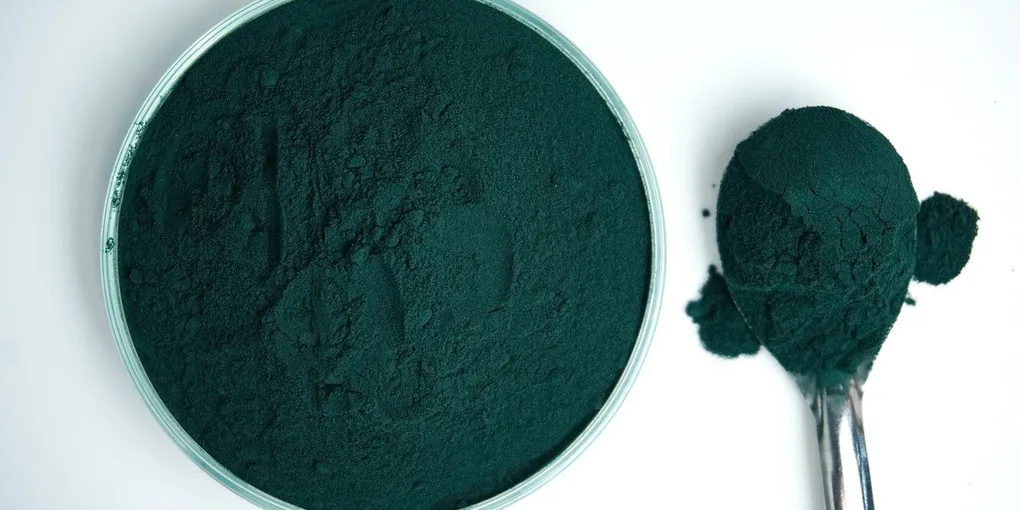
- Phycocyanin is the blue-green pigment that gives spirulina its distinctive color and is responsible for its most potent antioxidant and anti-inflammatory properties. It inhibits the production of inflammatory cytokines (particularly COX-2 and 5-LOX pathways) and is a potent free radical scavenger. High-quality spirulina should have a vibrant dark blue-green color indicating high phycocyanin content; brown or dull-colored spirulina has been heat-damaged and has degraded phycocyanin.
- Yes. Daily spirulina supplementation is both safe and appropriate for most healthy adults. The research showing cardiovascular and antioxidant benefits is from daily supplementation protocols ranging from 4–12 weeks. There's no evidence that cycling spirulina is beneficial; consistent daily use allows the antioxidant and anti-inflammatory compounds to maintain steady-state levels. Take with water or blend into smoothies to mask the strong taste if using powder form.