Avmacol Extra Strength
Best OverallForm: Glucoraphanin + myrosinase tablet
$38–48 (60 tabs)
Quick Comparison
| Product | Key Specs | Price Range | Buy |
|---|---|---|---|
| Avmacol Extra Strength Best Overall |
| $38–48 (60 tabs) | Check Price |
| Jarrow Formulas BroccoMax Best Value |
| $22–28 (60 caps) | Check Price |
| Double Wood Sulforaphane Best Budget |
| $18–24 (60 caps) | Check Price |
Contains affiliate links — we may earn a small commission at no extra cost to you.
How We Score
We evaluate each product using a 5-factor composite scoring system:
| Factor | Weight | What We Measure |
|---|---|---|
| Research Quality | 30% | Clinical evidence, study count, peer review status |
| Evidence Quality | 25% | Dosage accuracy, bioavailability, form effectiveness |
| Value | 20% | Cost per serving, price-to-quality ratio |
| User Signals | 15% | Real-world reviews, verified purchase data |
| Transparency | 10% | Label clarity, third-party testing, company credibility |
Best Sulforaphane Supplement 2026: NRF2 Activation Ranked
Sulforaphane may be the most scientifically credible “natural detox” compound that exists — and unlike most supplements that invoke “detox” as a marketing term with no mechanistic basis, sulforaphane’s detoxification pathway is precisely characterized at the molecular level.
It activates NRF2 (nuclear factor erythroid 2-related factor 2) — a transcription factor that functions as the body’s master cellular defense switch. When NRF2 is activated, hundreds of cytoprotective genes are upregulated, producing the enzymes that neutralize carcinogens, reduce inflammation, and protect cells from oxidative stress. Johns Hopkins researchers have been studying it since the 1990s and the research base is among the most rigorous for any plant compound.
The challenge? The supplement market is littered with broccoli extract products that deliver minimal active sulforaphane. Understanding how to evaluate these products is essential before buying.
The Biology: How Sulforaphane Works
The NRF2 Pathway
Most antioxidant supplements work stoichiometrically — one vitamin C molecule neutralizes one free radical. Sulforaphane works differently. It activates NRF2, which enters the cell nucleus and upregulates the transcription of hundreds of antioxidant and detoxification genes. These genes encode enzymes — each enzyme molecule can process thousands of harmful molecules. This catalytic amplification is why sulforaphane’s effects are so disproportionate to its administered dose.
Key NRF2-downstream enzymes activated by sulforaphane:
- Glutathione S-transferases (GSTs): Phase II detoxification enzymes that conjugate toxins and carcinogens to glutathione for excretion
- NAD(P)H quinone oxidoreductase 1 (NQO1): Neutralizes reactive quinones from industrial chemicals and endogenous metabolites
- Heme oxygenase-1 (HO-1): Anti-inflammatory, cytoprotective; also produces biliverdin (antioxidant)
- Glutamate-cysteine ligase: Rate-limiting enzyme in glutathione biosynthesis
Clinical Evidence
Sulforaphane has one of the deepest research histories of any plant compound:
Cancer chemoprevention: Johns Hopkins researchers demonstrated sulforaphane inhibits Phase I enzymes that activate carcinogens while inducing Phase II enzymes that detoxify them — creating a “gating” effect that reduces carcinogen bioactivation. Epidemiological data shows inverse associations between cruciferous vegetable consumption and multiple cancer types, consistent with this mechanism.
Autism spectrum disorder: A randomized controlled trial published in PNAS (2014) showed sulforaphane improved social interaction, abnormal behavior, and verbal communication in young men with moderate-to-severe ASD. A follow-up showed benefits persisted for 18 weeks of daily supplementation. The proposed mechanism involves NRF2’s role in reducing neuroinflammation and heat shock protein regulation.
H. pylori: Sulforaphane from broccoli sprouts reduced H. pylori colonization in infected patients (clinical trial in Japan) — the bacterium responsible for most gastric ulcers and a significant driver of stomach cancer.
Air pollution protection: Randomized trials in heavily polluted China showed sulforaphane significantly increased urinary excretion of benzene, acrolein, and crotonaldehyde — air pollution carcinogens — via Phase II enzyme induction.
Blood glucose: Multiple studies show sulforaphane improves insulin sensitivity and reduces fasting glucose in obese adults and type 2 diabetics, likely through NRF2-mediated reduction of hepatic glucose production.
The Critical Product Issue: Glucoraphanin vs Active Sulforaphane
This is the most important thing to understand before buying any sulforaphane supplement.
Sulforaphane is the active compound — but it’s chemically unstable. It degrades rapidly and cannot be effectively manufactured in stable form for most supplement applications.
Glucoraphanin (also called SGS — sulforaphane glucosinolate) is the stable precursor found in broccoli seeds and sprouts. It converts to sulforaphane via the enzyme myrosinase.
There are two ways you can get sulforaphane from a glucoraphanin supplement:
- With myrosinase included in the product — reliable, predictable conversion regardless of gut microbiome
- Without myrosinase — conversion depends entirely on your gut bacteria’s capacity to produce myrosinase-like enzymes (highly variable — some people convert poorly)
Studies have shown that products with added myrosinase produce 5–10x higher urinary sulforaphane metabolite excretion compared to glucoraphanin-only products in the same subjects — a massive difference in bioavailability.
The bottom line: Always choose a product that includes both glucoraphanin and myrosinase. This is the primary quality differentiator in this supplement category.
Top Sulforaphane Supplement Picks
1. Avmacol Extra Strength — Best Overall
Avmacol is produced by Nutramax Laboratories using licensed technology from Johns Hopkins University — the institution that discovered sulforaphane. It is the supplement used in several of the published clinical trials, including the ASD study.
Each tablet contains glucoraphanin from broccoli seed extract PLUS stabilized myrosinase from the myrosinase-rich broccoli sprout powder co-included in the formula. The combination produces consistent, predictable sulforaphane bioavailability — approximately 30 micromoles per tablet, matching research protocols.
What we like:
- Johns Hopkins licensed technology — direct lineage from the discovery research
- Both glucoraphanin AND myrosinase included — reliable conversion
- Used in published clinical trials — the supplement with the most direct evidence pedigree
- Nutramax QC standards are excellent (same company as Cosequin, Cosamin)
- ~30mcmol per tablet — 2 tablets = 60mcmol, matching the original research protocol
What to know:
- More expensive than generic broccoli extracts (~$0.63–0.80/tablet)
- Only 60 tablets per container
- Tablets (not capsules) — some people prefer capsules
Best for: Anyone serious about therapeutic sulforaphane dosing; those using it for ASD, air pollution exposure, cancer prevention, or blood glucose management.
Check current price on Amazon →
2. Jarrow Formulas BroccoMax — Best Established Mid-Tier
BroccoMax is one of the most widely used sulforaphane supplements and has been on the market for years. It uses Jarrow’s proprietary SGS (sulforaphane glucosinolate) extract, standardized to 30mg glucoraphanin per capsule.
The limitation: BroccoMax does not include exogenous myrosinase. Conversion to active sulforaphane depends on gut microbiome capacity. For many users this works reasonably well; for others (particularly those with dysbiosis, low microbial diversity, or on antibiotics), conversion may be poor.
The workaround commonly used with myrosinase-free products: consume with raw mustard powder (rich in myrosinase), raw broccoli, or raw daikon radish — these food sources provide myrosinase that is absorbed in the GI tract and significantly improves glucoraphanin conversion.
What we like:
- Well-established product with years of user reviews
- 30mg glucoraphanin per capsule — reasonable dose
- Jarrow’s solid brand reputation and QC standards
- More affordable than Avmacol (~$0.37–0.47/capsule)
- Widely available
What to know:
- No myrosinase — conversion is variable and gut-microbiome dependent
- Can partially compensate by taking with a pinch of raw mustard powder
- Not the form used in published clinical trials
- Bioavailability will be lower and less predictable than Avmacol for most users
Best for: Budget-conscious users willing to take with mustard powder to boost conversion; general antioxidant/NRF2 support without therapeutic dosing requirements.
Check current price on Amazon →
3. Double Wood Sulforaphane — Best Budget Entry
Double Wood is a budget supplement brand known for making less common ingredients accessible at lower prices. Their sulforaphane product uses broccoli seed extract standardized for glucosinolates.
Like BroccoMax, Double Wood does not include added myrosinase, making conversion gut-dependent. At roughly $0.30–0.40 per capsule, it is the most affordable entry point for sulforaphane supplementation.
What we like:
- Lowest price per capsule of the three options
- Third-party tested — Double Wood publishes COAs
- Good for experimenters who want to try sulforaphane without significant upfront cost
- 60-day supply at standard dose
What to know:
- No myrosinase — same bioavailability caveat as BroccoMax
- Less established than Jarrow or Nutramax brands
- Standardization and extract quality not as rigorously documented
- Use with mustard powder to partially compensate for missing myrosinase
Best for: First-time sulforaphane users testing the waters; budget-first buyers willing to optimize with dietary mustard/myrosinase sources.
Check current price on Amazon →
Sulforaphane Supplement Comparison
| Feature | Avmacol Extra Strength | Jarrow BroccoMax | Double Wood |
|---|---|---|---|
| Myrosinase included | Yes | No | No |
| Bioavailability | High, consistent | Variable | Variable |
| Research pedigree | Johns Hopkins licensed | Generic SGS | Generic extract |
| Price/serving | ~$0.70 | ~$0.40 | ~$0.33 |
| Best for | Therapeutic/clinical | Mid-tier + mustard trick | Budget entry |
How to Use Sulforaphane for Best Results
Standard protocol:
- Dose: 30–60 mcmol sulforaphane equivalents daily (1–2 Avmacol tablets, or 2 BroccoMax/Double Wood capsules + mustard powder)
- Timing: Morning with food — absorption is not significantly affected by food
- Cycling: Not required; NRF2 activation is not subject to rapid tolerance with sulforaphane. Daily use for extended periods is safe based on clinical evidence.
The mustard powder trick (for myrosinase-free products):
- Add 1/4 teaspoon of raw yellow mustard powder to water or food and consume simultaneously with your glucoraphanin capsule
- Mustard seed is highly concentrated in myrosinase — this external myrosinase substantially improves glucoraphanin conversion
- This makes BroccoMax and similar products significantly more effective and more cost-competitive with Avmacol
Food vs supplement:
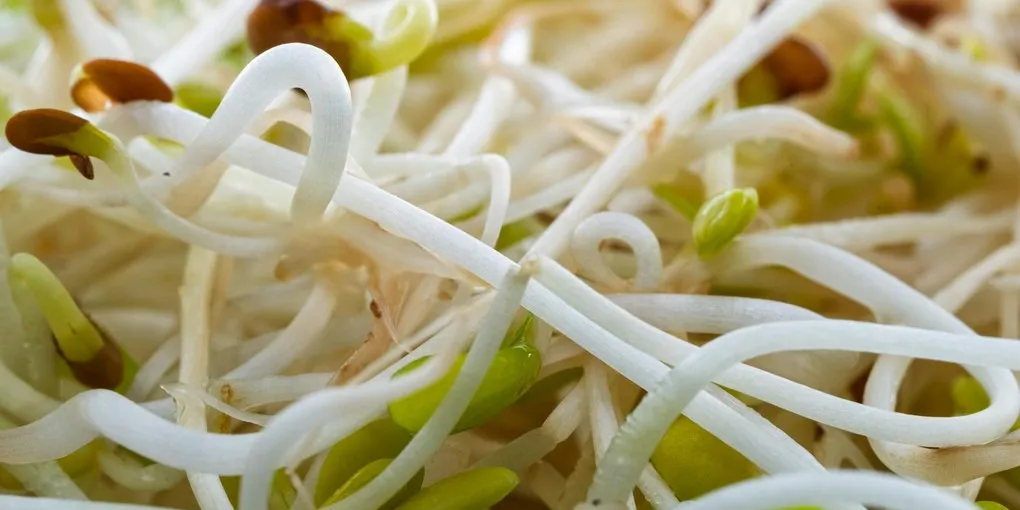
- 30–50g fresh raw broccoli sprouts contain 50–100+ mcmol glucoraphanin
- If you can reliably source and eat raw broccoli sprouts daily, this is equivalent to or better than most supplements
- Growing your own sprouts at home is feasible — 3–5 days from seed to sprout with minimal effort
Stacking:
- NAC (N-acetyl cysteine): Both support glutathione production via different mechanisms. NAC is a glutathione precursor; sulforaphane upregulates glutathione synthesis enzymes. See our best NAC supplement guide.
- Quercetin: Another NRF2 activator with complementary anti-inflammatory effects. Stacking multiple NRF2 activators may produce additive but not linearly additive effects. See our best quercetin supplement guide.
- Zinc: Supports NRF2 pathway activity and Phase II detoxification enzymes. See our best zinc supplement for immune health article.
Who Should Consider Sulforaphane
Strong candidates:
- Anyone with regular exposure to environmental pollutants or toxins (urban air pollution, industrial exposure, smoking)
- Individuals with elevated inflammatory markers or chronic low-grade inflammation
- Those with family history of colon, stomach, or lung cancer who want evidence-based chemoprevention
- People with blood glucose regulation issues (pre-diabetes, insulin resistance, PCOS)
- Anyone with H. pylori infection or history of peptic ulcers
- Individuals with autism spectrum disorder (per the PNAS RCT evidence — use under medical supervision)
General health use: Sulforaphane is a reasonable longevity-focused supplement for anyone prioritizing cellular health, particularly over age 40 when NRF2 pathway activity begins declining.
Use with awareness:
- Thyroid disease: High-dose cruciferous compounds can mildly reduce iodine uptake. Those with hypothyroidism on very high doses should monitor TSH. Standard supplemental doses (60mcmol/day) are unlikely to be an issue.
- Blood thinners: Vitamin K content in broccoli preparations may interact with warfarin. Broccoli seed/sprout extract has very low vitamin K — this is less of a concern than eating large amounts of whole broccoli.
- CYP1A2 substrates: Sulforaphane modestly inhibits CYP1A2 (a liver enzyme that metabolizes certain drugs including clozapine, theophylline, and caffeine). Clinically significant only at very high doses or with narrow-therapeutic-index drugs.
Frequently Asked Questions
What is sulforaphane and why does it matter?
Sulforaphane is an isothiocyanate compound produced when glucoraphanin (found in broccoli family vegetables) contacts the enzyme myrosinase — which happens when the plant is chewed, chopped, or when gut bacteria break it down. It is one of the most potent natural activators of the NRF2 pathway — a master cellular defense switch that upregulates the body’s antioxidant and detoxification enzymes. Unlike direct antioxidants that neutralize one free radical per molecule, NRF2 activation produces large quantities of endogenous antioxidant enzymes (glutathione, superoxide dismutase, catalase) — a catalytic rather than stoichiometric effect.
Why do some supplements use glucoraphanin instead of sulforaphane?
Sulforaphane is chemically unstable and degrades quickly after production. Glucoraphanin is the stable precursor that converts to sulforaphane via the enzyme myrosinase. Most supplements use glucoraphanin from broccoli seed extract. The critical factor is whether myrosinase is included — without it, conversion depends entirely on gut bacteria and is highly variable. Products with both glucoraphanin and myrosinase (like Avmacol) produce reliably higher and more consistent sulforaphane levels in the body.
How much sulforaphane do I need?
The Johns Hopkins research that established NRF2 activation used 40–60 micromoles (mcmol) of sulforaphane equivalents daily. Avmacol Extra Strength provides approximately 30mcmol per tablet; 1–2 tablets covers the research dose range. Jarrow BroccoMax and similar precursor-only products vary widely based on individual gut microbiome — making dosing less predictable.
Is eating broccoli better than supplementing?
Raw broccoli sprouts are the most potent dietary source — approximately 50–100x higher glucoraphanin content than mature broccoli. 30–50g of raw broccoli sprouts per day can deliver clinical sulforaphane doses. However, sulforaphane content is heavily affected by preparation (cooking destroys myrosinase — eating raw is critical), sprout age, and variety. For consistent therapeutic dosing, a quality supplement with both glucoraphanin and myrosinase is more reliable than cooked broccoli (though not better than fresh sprouts eaten raw).
Is sulforaphane safe for long-term use?
Broccoli family compounds have been consumed by humans for millennia. Sulforaphane at supplemental doses has an excellent safety profile in clinical studies, including long-term trials in autism spectrum disorder (where daily use for years has been studied). The main caution is thyroid function — cruciferous compounds can mildly inhibit iodine uptake at very high doses. Standard supplemental doses are unlikely to be an issue; those with hypothyroidism on very high doses should monitor thyroid markers.
The Bottom Line
For therapeutic or clinical-quality use: Avmacol Extra Strength is the clear recommendation. Johns Hopkins licensed technology, both glucoraphanin and myrosinase included, consistent bioavailability, and direct evidence pedigree. Worth the premium if you’re supplementing for a specific health goal.
For general NRF2 support on a budget: Jarrow BroccoMax is a solid product — just add a pinch of raw mustard powder at the same time to compensate for the missing myrosinase. This makes it nearly as effective as Avmacol at roughly half the price.
Sulforaphane occupies a rare category: a plant compound with genuine, mechanistically understood, clinically validated effects across multiple disease contexts. For anyone focused on cellular defense, environmental toxin protection, or long-term cancer prevention, it deserves serious consideration.
Related reading: Best NAC Supplement, Best Quercetin Supplement, and Best Supplements for Longevity.
Related Articles
- Supplement Stacking Guide
- Best NAC Supplement
- Best Spring Detox Liver Support Supplements
- Best Fisetin Supplement
- Best Supplements for Longevity
Frequently Asked Questions
- Sulforaphane is an isothiocyanate compound produced when glucoraphanin (found in broccoli family vegetables) contacts the enzyme myrosinase — which happens when the plant is chewed, chopped, or when gut bacteria break it down. It is one of the most potent natural activators of the NRF2 pathway — a master cellular defense switch that upregulates the body's antioxidant and detoxification enzymes. Unlike direct antioxidants that neutralize one free radical per molecule, NRF2 activation produces large quantities of endogenous antioxidant enzymes (glutathione, superoxide dismutase, catalase) — a catalytic rather than stoichiometric effect.
- Sulforaphane is chemically unstable and degrades quickly after production. Glucoraphanin is the stable precursor that converts to sulforaphane via the enzyme myrosinase. Most supplements use glucoraphanin from broccoli seed extract. The critical factor is whether myrosinase is included — without it, conversion depends entirely on gut bacteria and is highly variable. Products with both glucoraphanin and myrosinase (like Avmacol) produce reliably higher and more consistent sulforaphane levels in the body.
- The Johns Hopkins research that established NRF2 activation used 40–60 micromoles (mcmol) of sulforaphane equivalents daily. Avmacol Extra Strength provides approximately 30mcmol per tablet; 1–2 tablets covers the research dose range. Jarrow BroccoMax and similar precursor-only products vary widely based on individual gut microbiome — making dosing less predictable.
- Raw broccoli sprouts are the most potent dietary source — approximately 50–100x higher glucoraphanin content than mature broccoli. 30–50g of raw broccoli sprouts per day can deliver clinical sulforaphane doses. However, sulforaphane content is heavily affected by preparation (cooking destroys myrosinase — eating raw is critical), sprout age, and variety. For consistent therapeutic dosing, a quality supplement with both glucoraphanin and myrosinase is more reliable than cooked broccoli (though not better than fresh sprouts eaten raw).
- Broccoli family compounds have been consumed by humans for millennia. Sulforaphane at supplemental doses has an excellent safety profile in clinical studies, including long-term trials in autism spectrum disorder (where daily use for years has been studied). The main caution is thyroid function — cruciferous compounds can mildly inhibit iodine uptake at very high doses. Standard supplemental doses are unlikely to be an issue; those with hypothyroidism on very high doses should monitor thyroid markers.