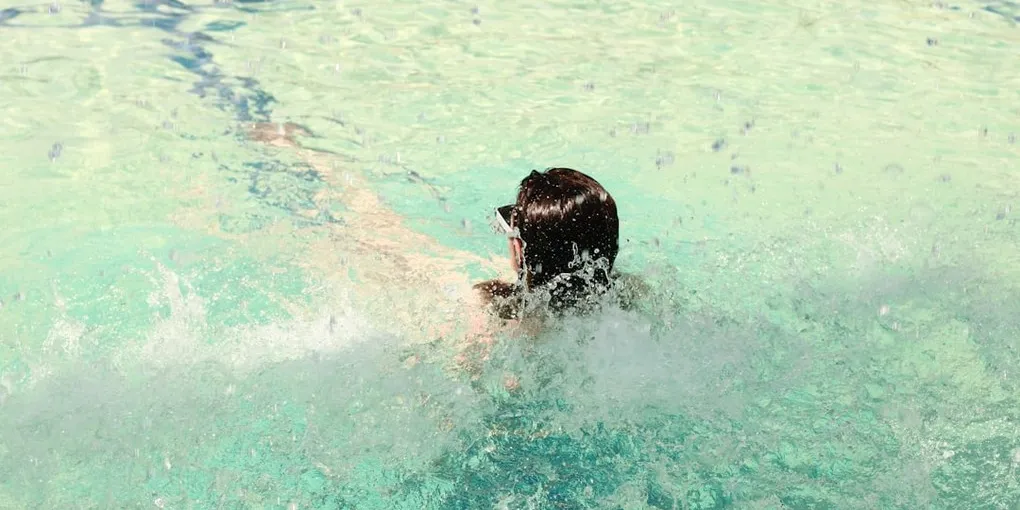
Plunge Pro (Cold Plunge Tub)
Best Home Cold PlungeTemperature: Down to 39°F (4°C)
$4,990
Quick Comparison
| Product | Key Specs | Price Range | Buy |
|---|---|---|---|
| Plunge Pro (Cold Plunge Tub) Best Home Cold Plunge |
| $4,990 | Check Price |
| Cold Plunge Stock Tank + Chiller Best Budget Cold Plunge Setup |
| $300–800 | Check Price |
| Ice Bath Tub (Recovery Pod) Best Portable Cold Plunge |
| $100–300 | Check Price |
| Sauna + Cold Plunge Combo Best Contrast Therapy Setup |
| $1,500–8,000+ | Check Price |
Contains affiliate links — we may earn a small commission at no extra cost to you.
Cold Therapy: The Complete Guide to Cold Exposure Benefits (2026)
Cold therapy has gone from fringe biohack to mainstream health practice — popularized by Wim Hof, endorsed by researchers at Stanford and Jönköping University, and adopted by professional athletes worldwide. But most people either dismiss it as hype or dive in without understanding what cold exposure actually does (and doesn’t do).
This guide covers the science of cold therapy from first principles: the mechanisms, the benefits with actual evidence, the risks, how to build a protocol, and what equipment you actually need.
The Physiology of Cold Exposure
Understanding cold therapy requires understanding what happens in your body when you enter cold water.
The Acute Cold Shock Response
In the first 30–90 seconds of cold exposure, your body activates a cascade of protective responses:
-
Cold shock response: Involuntary gasping and hyperventilation. This is the most dangerous phase — it’s why sudden immersion in very cold water can cause drowning even in strong swimmers.
-
Peripheral vasoconstriction: Blood is shunted from the extremities to protect core organs. Skin temperature drops dramatically; core temperature is initially maintained.
-
Catecholamine surge: Norepinephrine levels increase by 200–300% within minutes. This drives the acute alertness and mood elevation effect of cold exposure.
-
Heart rate response: Initial tachycardia (rapid heart rate), often followed by bradycardia (slowing) as the dive reflex activates.
Most first-time cold plungers report the first 30–60 seconds as the hardest part. Once the shock subsides, the body adapts to the cold and the experience becomes more manageable.
Sustained Cold Exposure
With continued cold exposure (2–10 minutes):
- Dopamine release: Sustained dopamine elevation of up to 250% above baseline, lasting several hours. This is distinct from the dopamine hits of drugs, food, or social media — it’s a slower, more sustained release.
- Norepinephrine persists: Drives alertness, focus, and mood elevation.
- Brown adipose tissue (BAT) activation: Metabolically active brown fat generates heat through uncoupled thermogenesis. Regular cold exposure increases BAT quantity and activity over time.
- Core temperature begins to fall: After 5–10 minutes, core temperature can begin dropping — this is the hypothermia risk zone for extended or very cold exposure.
Cold Therapy Benefits: What the Evidence Actually Shows
1. Dopamine and Norepinephrine Elevation
Evidence: Strong
A 2021 paper by Søberg et al. documented that cold water immersion at 14°C (57°F) produced a 250% increase in dopamine and sustained 200–300% norepinephrine elevation. These effects were durable — not just acute.
This explains the “clarity” and mood lift reported after cold plunging. It’s not placebo — it’s a pharmacological catecholamine response.
Practical implication: Morning cold exposure creates a dopamine and norepinephrine state that is alert, motivated, and focused without the crash of stimulants. This is one of the most defensible reasons to incorporate cold therapy.
2. Reduced Delayed Onset Muscle Soreness (DOMS)
Evidence: Moderate-Strong
Multiple RCTs show cold water immersion (10–15°C for 10–15 min) reduces DOMS when done after endurance or high-repetition training. The mechanism is vasoconstriction reducing inflammatory mediator accumulation and prostaglandin activity.
Critical caveat: This same anti-inflammatory mechanism blunts the hypertrophy response to strength training. Cold therapy is beneficial for endurance athletes; it’s counterproductive for strength athletes if done within 4–6 hours of lifting.
3. Improved Cold Stress Resilience
Evidence: Strong
Repeated cold exposure produces physiological and psychological adaptation:
- Faster heart rate normalization on cold exposure
- Increased BAT activity
- Reduced shivering response
- Improved psychological tolerance of discomfort
This resilience training transfers to other stressors. People who practice cold exposure consistently report improved stress tolerance in other contexts — supported by the norepinephrine sensitization that occurs with repeated exposure.
4. Metabolic Effects
Evidence: Moderate
The Søberg 2022 study (Jönköping University) found that 11 minutes of cold water immersion per week (across multiple sessions) increased metabolic rate and cold-induced thermogenesis. Brown adipose tissue activation is associated with improved insulin sensitivity and metabolic health.
This isn’t a weight loss tool — the caloric burn is modest. But combined with other metabolic interventions, consistent cold exposure contributes to improved metabolic flexibility.
5. Anti-Inflammatory and Immune Effects
Evidence: Emerging
Norepinephrine is anti-inflammatory — it suppresses TNF-alpha and other pro-inflammatory cytokines. Regular cold exposure may reduce systemic inflammation markers over time. Immune cell activity (NK cells, lymphocytes) increases acutely with cold exposure.
The evidence here is suggestive but not definitive in large-scale human trials. Anecdotal reports of fewer sick days are common among cold therapy practitioners.
6. Cardiovascular Adaptation
Evidence: Moderate (from contrast therapy research)
Alternating hot (sauna) and cold exposure — contrast therapy — produces significant cardiovascular benefits by alternately vasodilating and vasoconstricting the peripheral vascular system. This “vascular exercise” improves endothelial function and heart rate variability.
See: Sauna vs Cold Plunge: Which is Better?
Cold Therapy Protocols
The Søberg Protocol (Metabolic Focus)
Developed by Dr. Susanna Søberg, this is the most research-grounded cold therapy protocol:
- Total time: 11 minutes per week of cold water immersion
- Distribution: 2–4 sessions per week (not all at once)
- Temperature: 50–59°F (10–15°C)
- Key rule: “End on cold” — don’t warm up artificially after; let the body generate its own heat through BAT thermogenesis
This protocol maximizes brown adipose tissue activation and metabolic benefits.
The Huberman Protocol (Neuroscience/Performance Focus)
Based on Andrew Huberman’s synthesis of cold exposure research:
- Timing: Morning, shortly after waking (cortisol timing alignment)
- Duration: 1–5 minutes
- Temperature: As cold as you can handle safely while maintaining slow, controlled breathing
- Frequency: 3–5 times per week
- Breathing: Calm, controlled nasal breathing throughout — not Wim Hof hyperventilation before entry
Morning cold exposure combined with morning light exposure creates a powerful dopamine and cortisol state that Huberman’s lab research associates with motivation and stress resilience.
The Recovery Protocol (Athletes)
For endurance athletes seeking DOMS reduction:
- Timing: Within 30–60 minutes of training completion (avoid for strength training)
- Duration: 10–15 minutes
- Temperature: 50–59°F (10–15°C)
- Frequency: After hard training sessions only, not every day
The Contrast Therapy Protocol
Alternating sauna and cold plunge:
- 15–20 min sauna → 2–3 min cold plunge → repeat 3 rounds, end with cold
- 2–3 sessions per week
- Best for cardiovascular adaptation and recovery
See: Best Home Sauna for Small Spaces
Cold Therapy Equipment: What You Actually Need
Option 1: Cold Shower (Free)
The most accessible starting point. Cold showers produce real physiological responses but are less effective than immersion because:
- Water contact area is lower
- Temperature control is limited
- Immersion provides greater peripheral vasoconstriction
Ideal for: beginners building tolerance, or daily practice supplementing occasional plunges.
Protocol: Turn water to full cold for the last 60–90 seconds of your shower. Extend gradually over weeks.
Option 2: DIY Ice Bath
Fill a bathtub or stock tank with cold water, add ice for cooling. Effective but:
- Requires ongoing ice expense ($3–8 per session)
- No temperature control
- Inconvenient for consistent practice
Cost: ~$0 for bathtub, $150–300 for stock tank
Option 3: Cold Plunge Tub (No Chiller)
Insulated tubs that maintain temperature with minimal ice. Good for cold climates or those who refill frequently. Without a chiller, temperature control is limited.
Cost: $100–400
Option 4: Cold Plunge Tub with Chiller
The gold standard for home cold therapy. Maintains exact temperature, filtration keeps water clean for weeks between changes.
Top options:
- Plunge Pro — purpose-built cold plunge with built-in chilling, filtration, and temperature control. Reach 39°F. The best standalone product.
- Ice Barrel + Chiller — modular approach, good for limited space.
- DIY Stock Tank + Aquarium Chiller — budget option ($300–600) that works well if you’re handy.
See: Best Cold Plunge Tub for Home | Cold Plunge vs Ice Bath
Option 5: Contrast Therapy Setup (Sauna + Cold Plunge)
Maximum benefit for cardiovascular adaptation and recovery. Requires space and investment.
See: Sauna Blanket vs Infrared Sauna Tent
Cold Therapy Safety: Real Risks to Know
Cold therapy is generally safe for healthy adults but has genuine risks:
Cold Shock Response
The biggest danger. Sudden immersion in cold water triggers involuntary gasping and hyperventilation — this can cause aspiration and drowning in open water. In a controlled home setting, control your entry and breathing.
Never: Hyperventilate before entry (Wim Hof breathing is NOT recommended before water immersion), enter rapidly, or submerge alone.
Hypothermia
Core temperature begins dropping after 5–10 minutes in very cold water. Warning signs: slurred speech, disorientation, loss of shivering (paradoxical undressing). Exit immediately if you feel seriously disoriented.
Cardiovascular Risk
Cold shock can trigger cardiac arrhythmia in susceptible individuals. Those with cardiovascular disease, hypertension, or arrhythmia should consult a physician before starting cold therapy.
Post-Cold Afterdrop
Core temperature can continue dropping after you exit cold water as cold blood from the periphery circulates back to the core. Don’t warm up too rapidly — allow gradual rewarming.
Cold Therapy vs. Sauna: Do You Need Both?
Cold and heat therapy produce different physiological effects:
| Cold Therapy | Sauna/Heat | |
|---|---|---|
| Norepinephrine | ↑↑↑ (200–300%) | ↑ (modest) |
| Dopamine | ↑↑↑ (250%) | ↑ (modest) |
| Growth Hormone | Modest | ↑↑↑ (up to 16× with sauna) |
| Cardiovascular | Vasoconstriction | Vasodilation |
| DOMS reduction | ✅ (endurance) | ✅ (moderate) |
| Hypertrophy impact | ⚠️ Blunts (if <4–6h post-lifting) | Neutral/positive |
| Longevity data | Emerging | Strong (Jari Laukkanen, Finland data) |
Contrast therapy (alternating hot and cold) produces synergistic cardiovascular benefits neither produces alone.
See: Sauna vs Cold Plunge
Frequently Asked Questions
How long should you stay in a cold plunge?
For most cold therapy goals, 2–10 minutes at 50–59°F (10–15°C) is sufficient. Beginners should start with 30–60 seconds and build gradually. The Søberg protocol for metabolic benefits suggests 11 minutes total per week. Longer sessions in very cold water increase hypothermia risk without proportional benefit.
What temperature should a cold plunge be?
The most commonly studied range for physiological benefits is 50–59°F (10–15°C). Below 50°F increases risk without clear additional benefit for most users. “Cold” is relative to your acclimatization — what matters is a meaningful stress response.
Does cold therapy after exercise reduce muscle gains?
Yes — cold water immersion within 1 hour of strength training can blunt hypertrophy by 10–15% by reducing the inflammatory signaling required for muscle protein synthesis. Wait 4–6 hours after lifting. Cold therapy after endurance training does not have this effect.
What are the main benefits of cold therapy?
The most evidence-backed benefits: acute norepinephrine and dopamine increase (200–300% and 250% respectively), improved cold tolerance and metabolic efficiency, reduced DOMS after intense training, and improved mood and stress resilience. Brown adipose tissue activation emerges with consistent practice.
Can cold therapy be dangerous?
Cold therapy has real risks. Cold shock can cause involuntary gasping and cardiac arrhythmia. Hypothermia is genuine with extended exposure. Never cold plunge alone, never hyperventilate before entry, and consult a physician if you have cardiovascular disease, Raynaud’s, or are pregnant.
Bottom Line
Cold therapy is not a miracle cure — but the catecholamine response, DOMS reduction, and metabolic effects are real and well-documented. The dopamine elevation from 2–5 minutes of cold immersion is arguably the most impactful, accessible mood and motivation intervention available without a prescription.
Start with cold showers. Progress to a proper cold plunge for full immersion benefits. If recovery is your focus, add contrast therapy with a sauna. If you’re an athlete prioritizing strength gains, time your cold exposure carefully — don’t plunge within 4–6 hours of a lifting session.
Best entry-point equipment: Cold Plunge Ice Bath Tub — Amazon — under $200 for a portable setup that delivers the full immersion benefit.
Related Articles
- Cold Plunge Benefits: What the Science Says
- Best Cold Plunge Tub for Home
- Cold Plunge vs Ice Bath
- Sauna vs Cold Plunge
- Best Home Sauna for Small Spaces
Frequently Asked Questions
- For most cold therapy goals, 2–10 minutes at 50–59°F (10–15°C) is sufficient. Beginners should start with 30–60 seconds and build tolerance gradually. The Susanna Søberg protocol for metabolic benefits suggests 11 minutes total per week, split across multiple sessions. For dopamine and alertness effects, even 2–3 minutes produces significant response. Longer sessions in very cold water (below 50°F) increase hypothermia risk without proportional benefit.
- The most commonly studied range for physiological benefits is 50–59°F (10–15°C). Below 50°F accelerates the thermal shock response but increases risk without clear additional benefit for most users. Above 60°F still provides adaptation stimulus but with lower norepinephrine release. "Cold" is relative to your acclimatization — what matters is that it produces a meaningful stress response, not a specific number.
- Yes — cold water immersion immediately after strength training can blunt hypertrophy by reducing the inflammatory signaling required for muscle protein synthesis. Studies show 10–15% reductions in long-term muscle and strength gains when cold plunging within 1 hour of resistance training. Cold therapy after cardio or endurance training does not have this effect. Wait 4–6 hours after lifting before cold plunging.
- The most evidence-backed benefits include — acute norepinephrine and dopamine increase (200–300% and 250% respectively), improved cold tolerance and metabolic efficiency, reduced delayed onset muscle soreness (DOMS) after intense training, and improved mood and stress resilience. Metabolic rate and brown adipose tissue activation are documented with consistent practice. Anti-inflammatory and cardiovascular benefits emerge with long-term, consistent exposure.
- Cold therapy has real risks when done incorrectly. Hypothermia is a genuine risk with extended cold exposure, especially in very cold water. Sudden cold shock can cause involuntary gasping, hyperventilation, and cardiac arrhythmia — particularly in those with cardiovascular disease. Never cold plunge alone, never hyperventilate before entering, and exit immediately if you feel serious disorientation or shivering becomes uncontrollable. Consult a physician if you have cardiovascular disease, Raynaud's syndrome, or are pregnant.