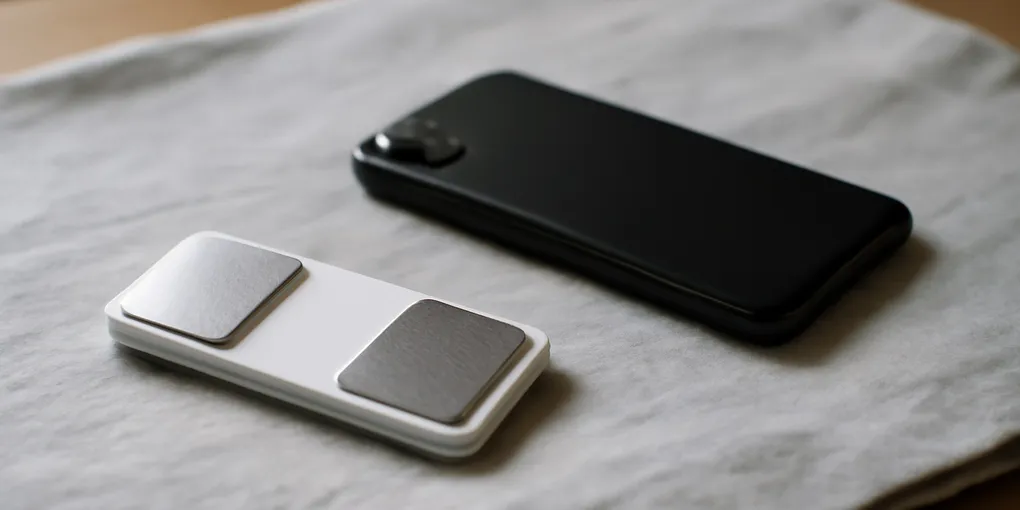
KardiaMobile 6L Review: Useful Heart Rhythm Tracking Without Turning Your Phone Into a Doctor
ReviewKardiaMobile 6L personal ECG
Top pick for ECG snapshotsBest Use: Symptom-time rhythm capture
$120-170
Quick picks
| Product | Key Specs |
|---|---|
| See price on Amazon |
|
| See price on Amazon |
|
Product availability, certifications, and retailer details can change; check the current Amazon page before buying.
Bottom line
KardiaMobile 6L is a useful consumer ECG device for a narrow job: capturing a short rhythm strip when symptoms are happening, then sharing that recording with a clinician when appropriate. It is not a diagnosis engine, a substitute for emergency care, or a guarantee that your heart is normal between recordings. The six-lead design can give more context than a single-lead device, but the value still depends on whether you can use it at the right moment and interpret the result responsibly.
The best buyer is someone who has already discussed palpitations, intermittent rhythm concerns, or home rhythm tracking with a clinician and wants a compact way to capture episodes. The wrong buyer is someone who will check repeatedly for reassurance, panic over every unclassified reading, or delay care during chest pain, fainting, stroke symptoms, or severe shortness of breath.
Top-pick card
KardiaMobile 6L personal ECG — check current Amazon listings
- Best for: capturing symptom-time ECG snapshots to discuss with a clinician.
- Price cue: often around $120-170, with subscription features varying by listing and app plan.
- Key caveat: it records a short sample when you use it; it does not continuously monitor all heart rhythm problems.
- Skip if: you need emergency evaluation, continuous clinical monitoring, or reassurance checking is likely to worsen anxiety.
A lower-cost single-lead KardiaMobile search may be enough if your clinician only needs basic rhythm snapshots.
Practical score
| Factor | Weight | Score | Rationale |
|---|---|---|---|
| Research | 30% | 7.9 | Mobile ECGs and AF detection have peer-reviewed support, especially for rhythm snapshots. |
| Evidence Quality | 25% | 7.2 | Accuracy depends on population, recording quality, algorithm limits, and clinical confirmation. |
| Value | 20% | 7.0 | Strong value for intermittent symptoms; weak value for casual reassurance checking. |
| User Signals | 15% | 7.5 | Portability and shareable strips are practical when symptoms are episodic. |
| Transparency | 10% | 7.4 | The device creates a visible ECG strip, but automated labels still need context. |
| Composite | 100% | 7.5 | A good conditional purchase for symptom capture, not a self-diagnosis tool. |
What KardiaMobile 6L does well
The device is small, quick to set up, and designed around short ECG recordings. That matters because many rhythm symptoms are intermittent. A normal office ECG can miss an episode that happens at home after dinner, during stress, or after a workout. A personal ECG can help document what was happening at the time, especially if the recording is clean and paired with notes about symptoms, caffeine, alcohol, sleep, exercise, and medication changes.
The six-lead format can add views compared with a single-lead device. It still is not the same as a 12-lead clinical ECG, and it does not replace ambulatory monitors ordered by a clinician. Think of it as a capture tool: better than memory, narrower than medical monitoring.
What it does not do
KardiaMobile 6L does not rule out heart disease, predict heart attacks, or continuously watch you while you sleep. It cannot make dangerous symptoms safe. If you have chest pain, fainting, one-sided weakness, trouble speaking, severe breathlessness, or a new sustained rapid heartbeat, seek urgent care rather than recording and waiting.
It also cannot solve the interpretation problem by itself. Automated classifications may flag possible atrial fibrillation, bradycardia, tachycardia, or an unclassified result, but medical meaning depends on context. A noisy recording, poor finger contact, movement, or unusual rhythm can confuse the algorithm. Share concerning patterns with a clinician.
Setup protocol
Before the first recording, install the app, create the account, and practice while calm. Place the device on a stable surface. Use clean, dry fingers and follow the six-lead position instructions carefully. During recording, stay still, breathe normally, and avoid talking. Save the strip with a short note: symptoms, time, activity, caffeine, alcohol, sleep, and any relevant medication changes.
Do not learn the device during a scary episode. Practice makes the real use less frantic. If a result surprises you, repeat once with better contact and then decide whether it deserves clinical follow-up.
For a broader home-measurement routine, see our home blood pressure monitor protocol. Blood pressure and rhythm are different signals, but both reward consistent technique.
KardiaMobile 6L
The 6L model is best when you specifically want more lead information than the basic version and can afford the price. It fits in a drawer or bag, takes little space, and produces shareable strips. Check current listings carefully because bundles, subscriptions, and app features can change. Confirm return terms, phone compatibility, and whether any premium analysis requires a separate plan.
Search KardiaMobile 6L on Amazon.
Single-lead KardiaMobile
The single-lead version may be enough for many users who only need a quick rhythm strip. It is usually cheaper and simpler. The tradeoff is less lead information. If your clinician specifically asked for six-lead recordings, do not downgrade just to save money. If no clinician has asked for any device, start with the question, not the gadget.
Compare single-lead personal ECG devices on Amazon.
Who should buy it
Consider it if you have intermittent palpitations, your clinician agrees that home ECG snapshots could be useful, and you are comfortable treating the device as a recorder rather than a judge. It can also help data-minded users avoid vague symptom recollections. Instead of saying, “my heart felt weird last week,” you may be able to share a timestamped strip and notes.
Do not buy it if you are seeking constant reassurance. Health tracking can become compulsive. If checking makes you more anxious, the device may worsen the problem even when it works technically.
FAQ
Can KardiaMobile 6L diagnose atrial fibrillation by itself?
It can flag possible atrial fibrillation in some recordings, but diagnosis belongs with a qualified clinician who can review the strip and the clinical context.
Is six-lead recording worth it over the basic model?
It is worth considering when your clinician wants more information or when you want the more capable consumer model. For simple rhythm snapshots, the lower-cost single-lead version may be enough.
Should I record every day even without symptoms?
Most buyers should avoid turning the device into a reassurance ritual. Follow the plan agreed with your clinician, and prioritize symptom-time recordings if that was the reason for purchase.
What should I do with an unclassified result?
Repeat once with better contact and less movement. If the result repeats, symptoms are concerning, or you feel unwell, contact a clinician or urgent care based on severity.
Evidence notes
Single-lead and mobile ECG tools have been studied for atrial fibrillation detection and screening contexts, but real-world value depends on user selection. Screening low-risk people can create false positives, anxiety, and follow-up burdens. Symptom-driven capture is a cleaner use case because the recording answers a practical question: what rhythm was present when the person felt the symptom?
Sources
- Mobile health technology and atrial fibrillation detection review: https://pubmed.ncbi.nlm.nih.gov/33984277/
- AliveCor/Kardia single-lead ECG validation literature overview: https://pubmed.ncbi.nlm.nih.gov/29628139/
- FDA consumer information about ECG app/device limitations: https://www.fda.gov/medical-devices/digital-health-center-excellence/software-medical-device-samd
Final recommendation
KardiaMobile 6L is a strong conditional buy for symptom-time rhythm capture. Buy it if the recording will feed a responsible clinical conversation. Skip it if you expect it to replace care, provide constant reassurance, or answer questions that require continuous monitoring. The device is most useful when it makes a specific health decision clearer and least useful when it becomes another source of worry.
Accuracy and false reassurance
The biggest practical risk is not only a false alert. It is false reassurance. A short ECG can look ordinary while symptoms occur later, during sleep, or during exertion. It can also miss problems that require blood tests, imaging, medication review, or longer monitoring. Treat a normal strip as one data point, not a permission slip to ignore worsening symptoms.
The other risk is over-response. Consumer devices can create urgent-feeling labels from noisy recordings. Before buying, decide what you will do with possible atrial fibrillation, tachycardia, bradycardia, and unclassified results. If every unusual output will send you into repeated checking, ask a clinician whether a prescribed monitor or no consumer device is the better plan.
Buying details to verify
Confirm phone compatibility, app requirements, battery type, subscription features, data export options, and whether the listing is the current six-lead model. Read the return policy and check whether replacement pads or accessories are needed. If you plan to send strips to a clinician, ask which file format or portal they prefer. A device that records data your care team cannot easily review may be less useful than a simpler plan.
Privacy also matters. Personal ECGs are health data. Review app permissions and decide whether convenience features are worth the data-sharing tradeoff. Most buyers focus on the sensor and forget the software, but the software is where the recording becomes useful or frustrating.
Best use cases and poor use cases
Best use cases include intermittent palpitations, clinician-requested symptom capture, and documenting episodes that are too brief for an appointment ECG. Poor use cases include checking dozens of times per day, screening without a plan, using the device during emergency symptoms instead of seeking care, or trying to manage medication changes alone.
A personal ECG works best as part of a communication loop: symptom, recording, note, clinician review when warranted. Without that loop, the device can become an expensive anxiety object.
Practical four-week trial
Week one is setup and calm practice. Record a few clean baseline strips so you know how the device behaves. Week two is symptom capture only: record when the relevant sensation occurs, not every time anxiety asks for reassurance. Week three is review: organize the strips, notes, and triggers. Week four is a clinician or self-management decision. If recordings were clean and useful, keep it. If you mostly collected anxiety checks, return it or put it away and discuss a better plan.
Travel and household use
A personal ECG is portable, but portability should not blur boundaries. If you travel with it, keep it in a small case and avoid recording in public settings where movement and stress create noisy strips. If a family member wants to use it, create separate profiles when the app supports that and avoid mixing recordings. A mislabeled strip can create confusion later.
The device also needs a storage rule. Put it in one predictable place with the phone charger or medication organizer, not loose in a gym bag. The best recording is the one you can capture quickly when symptoms happen, while still staying calm enough to get a clean signal.
What would change our view
Our rating would improve with stronger evidence that six-lead consumer recordings change downstream care decisions for well-defined home users without increasing unnecessary visits. It would fall if app subscriptions hide core export features, if false alerts increase, or if phone compatibility problems make recordings unreliable. Hardware is only part of the review; the clinical workflow determines whether the recording helps.