Active Recovery for Sore Muscles: Easy Movement, DOMS Evidence, and When Rest Wins
Evidence ExplainerQuick picks
Simple active-recovery setup
★ Top pick- Best for: Walking, easy cycling, or mobility after hard sessions
- Key feature: Comfortable footwear or a low-friction bike is enough
- Watch out: Do not buy a gadget before lowering intensity
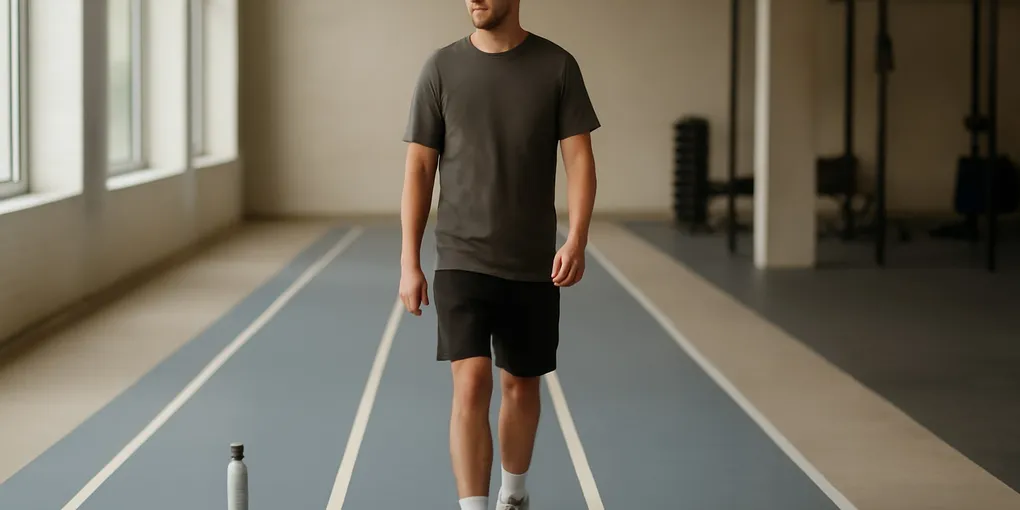
Active recovery is not a secret soreness cure. It is easy movement used to feel less stiff, restore normal motion, and keep a hard week from turning into a hard-every-day week. The useful version is almost disappointingly simple: walk, spin easily, swim gently, or do low-load mobility until you feel looser, then stop.
The mistake is turning recovery into another workout. If your easy ride becomes intervals, or your recovery walk becomes a weighted ruck, you are no longer recovering. You are adding stress to tissue that already has a reason to complain.
What the evidence actually supports
Delayed-onset muscle soreness usually follows unfamiliar eccentric work, higher volume, or a new range of motion. It is not just lactic acid hanging around. A classic review in Sports Medicine describes DOMS as a multi-factor response involving muscle damage, inflammation, and altered function, not one waste product to flush out (https://pubmed.ncbi.nlm.nih.gov/12617692/).
Active recovery can help some short-term markers. Light movement after intense work can increase blood flow and speed lactate clearance, but lactate usually normalizes far sooner than next-day soreness. That means an easy spin after intervals may make you feel better that afternoon without proving your hamstrings are repaired.
A broader recovery review in Frontiers in Physiology notes that many recovery tools show mixed effects and that the context, exercise type, and outcome measured matter (https://www.frontiersin.org/articles/10.3389/fphys.2018.00403/full). For active recovery, the practical takeaway is modest: use it for comfort and readiness, not as a guarantee that you can repeat maximal training.
Practical score
| Factor | Weight | Score | Rationale |
|---|---|---|---|
| Research | 30% | 7.0 | Exercise-recovery research supports light movement for some short-term outcomes. |
| Evidence Quality | 25% | 6.5 | Results vary by soreness cause, timing, and what active recovery replaces. |
| Value | 20% | 9.0 | Walking or easy cycling costs little and needs no special device. |
| User Signals | 15% | 7.5 | Most athletes can tell when easy movement reduces stiffness. |
| Transparency | 10% | 8.0 | Intensity and duration are easy to define without product claims. |
| Composite | 100% | 7.4 | A useful low-cost recovery habit when it stays truly easy. |
The right intensity
Use the talk test. You should be able to speak in full sentences, breathe through your nose if that is normal for you, and stop without feeling like you bailed out of a workout. If you track heart rate, recovery should sit well below normal endurance training.
For most people, 10 to 30 minutes is enough. A short walk after a hard lower-body session can reduce the heavy-leg feeling without adding much fatigue. Easy cycling works well when impact feels unpleasant. Gentle swimming can feel good, but only if shoulder or calf soreness does not change your stroke.
Do not chase sweat. Sweating proves heat and effort, not recovery. If heat is the issue, read our cooling towel guide and heat acclimation protocol before adding more warm exercise.
When active recovery is the wrong call
Rest wins when soreness changes your mechanics. If you limp, cannot descend stairs normally, or change your squat pattern to avoid pain, another movement session can reinforce compensation. Sleep, food, and time are the better tools.
Rest also wins when soreness comes with illness, fever, unusual swelling, sharp pain, dark urine, or weakness that feels out of proportion. Those are not normal recovery signals. They are reasons to stop training and get medical help if symptoms are serious.
Active recovery is also a poor fix for bad programming. If every week requires elaborate recovery tactics, the training dose is probably too high or too novel. Reduce volume, introduce eccentric work gradually, and stop changing exercises every session.
A simple recovery menu
After hard running, try 15 minutes of easy walking later that day. Keep the stride short and relaxed. If downhill walking makes quads feel worse, choose flat ground or an easy bike.
After hard lifting, use low-load mobility for the joints you trained: gentle hip airplanes near a wall, unloaded squats to a box, shoulder circles, or a short walk. Avoid turning mobility into end-range stretching battles when the tissue is already sensitive.
After circuits, choose the lowest-friction option. A casual walk, easy spin bike, or relaxed swim beats a second class. If you want a structured low-load session, our zone 2 walking pad guide can help you keep intensity honest.
What to buy, if anything
You do not need a recovery gadget. Comfortable shoes, a safe walking route, and enough time are the core setup. If your old shoes are the reason easy walks feel irritating, search Amazon for recovery-walk shoe options and choose by fit, outsole grip, and return policy rather than recovery claims. If weather or schedule blocks walking, search Amazon for a basic indoor exercise bike or use a walking pad, but only if it keeps the effort low.
Foam rollers, massage sticks, and compression tools can make people feel better, but they should not replace the main decision: make the next session easier when soreness is high. If you use a tool, keep the pressure tolerable and the session short.
Active Recovery FAQ
Should I do active recovery the same day or the next day?
Either can work. Same-day easy movement may reduce stiffness after a hard session. Next-day movement can help you assess whether soreness is improving or changing your mechanics.
Can active recovery make soreness worse?
Yes, if it is too long, too intense, or too similar to the workout that caused the soreness. A recovery run after a downhill race can become extra eccentric loading.
What is the best active-recovery workout?
The best option is the easiest one you can repeat without turning it into training: a flat walk, very easy bike, gentle swim, or brief mobility circuit.
Frequently Asked Questions
- Light movement can speed lactate clearance after intense exercise, but next-day soreness is not simply lactic acid.
- Keep it conversational and easy. If it feels like training, it is probably too hard for recovery.
- Sometimes, for stiffness and mood. Complete rest is better when soreness changes movement quality or you feel ill.