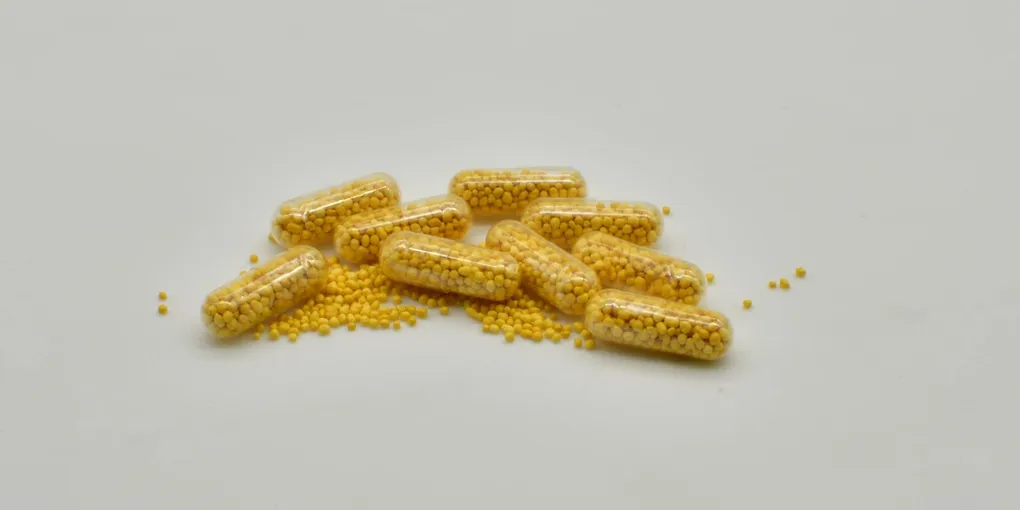
Thorne Berberine
Best OverallDose: 500mg per capsule
$42–55 (60 caps)
Quick Comparison
| Product | Key Specs | Price Range | Buy |
|---|---|---|---|
| Thorne Berberine Best Overall |
| $42–55 (60 caps) | Check Price |
| Integrative Therapeutics Berberine Best Clinical-Grade |
| $38–50 (90 caps) | Check Price |
| Nutricost Berberine HCl 500mg Best Value |
| $18–28 (120 caps) | Check Price |
Contains affiliate links — we may earn a small commission at no extra cost to you.
How We Score
We evaluate each product using a 5-factor composite scoring system:
| Factor | Weight | What We Measure |
|---|---|---|
| Research Quality | 30% | Clinical evidence, study count, peer review status |
| Evidence Quality | 25% | Dosage accuracy, bioavailability, form effectiveness |
| Value | 20% | Cost per serving, price-to-quality ratio |
| User Signals | 15% | Real-world reviews, verified purchase data |
| Transparency | 10% | Label clarity, third-party testing, company credibility |
Best Berberine Supplement for PCOS 2026: Insulin Resistance and Hormonal Balance
PCOS (polycystic ovary syndrome) affects 8–13% of women of reproductive age — making it the most common endocrine disorder in women. Its primary driver in most cases is insulin resistance, which creates a cascade of hormonal dysfunction: elevated androgens, disrupted ovulation, menstrual irregularity, and all the downstream symptoms (acne, hirsutism, weight gain, infertility).
Berberine is the most evidence-supported supplement for addressing the root cause: insulin resistance. Clinical trials have directly compared it to metformin — the pharmaceutical gold standard for PCOS — with comparable results in key endpoints.
PCOS Biology: Why Insulin Resistance Is Central
The Insulin-Androgen Loop
Most people conceptualize PCOS as a “hormonal” problem. The more accurate framing is that PCOS is primarily a metabolic disorder with hormonal consequences:
- Insulin resistance → chronically elevated insulin
- High insulin stimulates ovarian theca cells to produce excess androgens (testosterone, androstenedione, DHEA)
- High androgens suppress SHBG (sex hormone-binding globulin) — the protein that binds and inactivates free testosterone
- Low SHBG + high androgen production = elevated free testosterone → acne, hirsutism, scalp hair thinning
- High insulin also disrupts pituitary LH/FSH signaling → high LH/FSH ratio → stimulates androgen production but suppresses follicle development → anovulation
- Anovulation → irregular or absent periods → polycystic ovaries (multiple small follicles stuck at early development stages)
The entire cascade begins with insulin resistance. Addressing insulin resistance is the single most upstream intervention available.
This is why metformin — an insulin sensitizer — is the first-line pharmaceutical for PCOS in women not trying to conceive, and why inositol, berberine, and other insulin-sensitizing compounds are the most rational supplement approaches.
How Berberine Addresses PCOS
AMPK Activation: The Core Mechanism
Berberine activates AMPK (AMP-activated protein kinase) — the cellular energy sensor. AMPK activation mimics the effects of caloric restriction and exercise on cellular metabolism:
In skeletal muscle:
- Increases GLUT4 transporter expression and translocation to the plasma membrane
- Enhances insulin-stimulated glucose uptake (partially insulin-independent)
- Reduces intramyocellular lipid accumulation (a driver of muscle insulin resistance)
In the liver:
- Reduces hepatic glucose production (gluconeogenesis) — the primary mechanism of metformin
- Inhibits fatty acid synthesis
- Improves hepatic insulin sensitivity
In adipose tissue:
- Reduces lipogenesis (fat storage)
- Increases fatty acid oxidation
In ovarian cells:
- Directly inhibits CYP17A1 (the androgen-producing enzyme in theca cells) via AMPK-independent mechanisms
- Reduces ovarian androgen production beyond just improving insulin sensitivity
Anti-Inflammatory Effects
Chronic low-grade inflammation is a consistent finding in PCOS. Berberine reduces NF-κB activation and downstream inflammatory cytokine production (IL-6, TNF-α, CRP) — addressing both the metabolic and inflammatory dimensions of PCOS.
Gut Microbiome Modulation
Berberine significantly alters gut microbiome composition — increasing short-chain fatty acid-producing bacteria while reducing dysbiotic species. Gut microbiome dysbiosis is increasingly recognized as a contributor to insulin resistance, and berberine’s microbiome effects may contribute to its metabolic benefits beyond direct AMPK activation.
Clinical Evidence: Berberine vs Metformin in PCOS
The 2012 Head-to-Head RCT
The landmark berberine-metformin comparison was conducted in China (Li et al., 2012; European Journal of Endocrinology):
89 women with PCOS, randomized to:
- Berberine 500mg three times daily (1,500mg/day)
- Metformin 500mg three times daily (1,500mg/day)
- Placebo
Results at 3 months:
| Endpoint | Berberine | Metformin | Placebo |
|---|---|---|---|
| HOMA-IR (insulin resistance) | Significant reduction | Significant reduction | No change |
| Testosterone | Significant reduction | Significant reduction | No change |
| SHBG | Significant increase | Significant increase | No change |
| Menstrual frequency | Improved | Improved | No change |
| LDL cholesterol | Better than metformin | Moderate reduction | No change |
| GI tolerance | Better | More GI symptoms | — |
Berberine and metformin were comparable for insulin sensitization and hormonal normalization, with berberine showing an advantage for LDL reduction and comparable or better GI tolerance.
Meta-Analyses Confirm Efficacy
A 2015 systematic review and meta-analysis of 5 RCTs (449 PCOS patients) found berberine significantly:
- Reduced insulin resistance (HOMA-IR, fasting insulin)
- Reduced total testosterone
- Increased SHBG
- Improved menstrual cycle regularity
A 2018 meta-analysis of 12 RCTs confirmed significant improvements in metabolic parameters (lipids, glucose, insulin) and androgen profiles in PCOS.
Combination with Myo-Inositol
Several trials have examined berberine + myo-inositol combination (complementary mechanisms: berberine via AMPK, inositol as a secondary messenger in insulin signaling). The combination shows additive or synergistic effects on insulin sensitivity and ovulation outcomes in multiple small trials.
Top Berberine Supplement Picks for PCOS
1. Thorne Berberine — Best Overall
Thorne is a premium, practitioner-trusted supplement brand with NSF Certified for Sport certification and among the highest QC standards in the industry. Their berberine HCl product is the top choice for anyone wanting pharmaceutical-grade quality and brand confidence.
What we like:
- NSF Certified for Sport — rigorous third-party testing
- Thorne’s practitioner-grade manufacturing (FDA-registered facility)
- 500mg per capsule — standard clinical dose unit
- Widely recommended by integrative medicine practitioners
What to know:
- Premium pricing (~$0.70–0.92/capsule) — significantly more than budget options
- 60-capsule bottle = 40-day supply at 3 capsules/day (1,500mg total)
Best for: Women who want the most quality-assured berberine; those working with a practitioner; budget is secondary to quality.
Check current price on Amazon →
2. Integrative Therapeutics Berberine — Best Clinical-Grade
Integrative Therapeutics is a practitioner-distributed brand focused on evidence-based functional medicine supplementation. Their berberine is high-purity, third-party tested, and used by integrative medicine practitioners treating PCOS.
What we like:
- Practitioner-grade quality standards
- 90-capsule bottle — 30-day supply at clinical dose
- Third-party purity testing
- Berberine HCl form (standard highly bioavailable salt)
What to know:
- Slightly less expensive than Thorne but still premium-priced
- Available online (was historically practitioner-only but now widely available)
Best for: Clinical-grade quality seekers; women whose integrative medicine practitioners recommend this brand.
Check current price on Amazon →
3. Nutricost Berberine HCl 500mg — Best Value
Nutricost delivers berberine HCl at 500mg per capsule with third-party testing at the most accessible price point. For the budget-conscious PCOS patient who needs to sustain 1,500mg/day long-term, Nutricost makes the therapy affordable.
What we like:
- Most affordable price per capsule of any tested brand (~$0.15–0.23)
- 120-capsule bottle — 40-day supply at clinical dose, highly economical
- Third-party tested for purity and potency
- Nutricost’s reliable track record for research-backed compounds
What to know:
- Not NSF or practitioner-level certification
- Budget brand positioning — adequate for most users but not the highest QC tier
Best for: Long-term supplementation on a budget; students, younger women with limited supplement budget; those whose primary criterion is cost for sustained use.
Check current price on Amazon →
PCOS-Specific Dosing Protocol
Standard PCOS Dose
1,500mg/day in divided doses:
- 500mg with breakfast
- 500mg with lunch
- 500mg with dinner
This mirrors the dose used in the head-to-head metformin comparison and most positive PCOS trials. Taking with meals reduces GI side effects (nausea, cramping, loose stools — more common at higher doses).
Why Divided Dosing Matters
Berberine has low bioavailability (~5% oral absorption) and a short half-life (~1–3 hours for peak plasma levels). Divided dosing maintains more consistent plasma berberine and AMPK activation throughout the day, better mimicking the sustained metabolic effects observed in clinical trials.
Combination Protocol for PCOS
The most evidence-supported PCOS supplement combination:
Berberine 1,500mg/day (primary insulin sensitizer) + myo-inositol 2,000–4,000mg/day (secondary insulin signaling support)
See our best myo-inositol supplement guide for the inositol component. These two work via different but complementary mechanisms and multiple small trials support their combination.
Timeline
- 4–8 weeks: Measurable improvement in fasting insulin and HOMA-IR
- 2–3 months: Changes in testosterone, SHBG, LH/FSH ratios
- 3–6 months: Menstrual cycle improvements, ovulation resumption
- 6+ months: Androgen-driven symptoms (acne, hirsutism) begin responding — for targeted hormonal acne support alongside berberine, see our best supplements for hormonal acne guide
Safety and Interactions
Pregnancy: Important Consideration
Berberine has demonstrated teratogenic effects in animal studies at high doses and crosses the placental barrier. It is not recommended during pregnancy. Women with PCOS who are actively trying to conceive should discuss berberine use timing with their physician — many practitioners recommend stopping berberine upon confirmed pregnancy.
Drug Interactions
- Metformin: Additive blood glucose lowering — monitor for hypoglycemia if combining
- CYP3A4 substrates: Berberine inhibits CYP3A4 — may alter metabolism of medications processed by this enzyme (some statins, cyclosporine, certain contraceptives)
- Warfarin/anticoagulants: Berberine may increase anticoagulant effects — monitor INR if combining
GI Side Effects
The most common adverse effects (nausea, constipation/diarrhea, abdominal cramping) are dose-related and largely mitigated by:
- Starting at 500mg/day and titrating up over 2 weeks
- Always taking with meals
- Starting with the largest meal of the day
Who Should Consider Berberine for PCOS
Strong candidates:
- Women with confirmed PCOS and insulin resistance (elevated fasting insulin, high HOMA-IR, glucose intolerance)
- Those with PCOS who cannot tolerate metformin (GI side effects are common)
- Women seeking natural support alongside lifestyle changes (diet, exercise)
- Those with PCOS-associated dyslipidemia (elevated LDL, triglycerides)
- Women not trying to conceive who want non-pharmaceutical insulin sensitization
Work with a physician:
- Any medication interactions (particularly other diabetes medications, contraceptives)
- If pregnant or planning pregnancy soon
- If monitoring hormonal response with labs (which is recommended for any serious PCOS management protocol)
The Bottom Line
Berberine is the most evidence-backed supplement for PCOS’s root cause: insulin resistance. The head-to-head comparison with metformin showing comparable hormonal and metabolic outcomes is uniquely compelling in the supplement world — few natural compounds have this level of direct pharmaceutical comparison data.
Quality-first: Thorne Berberine for the highest manufacturing standards. Value for sustained use: Nutricost for affordable long-term dosing.
The critical discipline: consistent 1,500mg/day in divided doses with meals, sustained for 3–6 months to see full hormonal and menstrual cycle effects.
Related reading: Best Myo-Inositol Supplement, Best Berberine Supplement for Blood Sugar, Berberine vs Metformin, Best DIM Supplement, and Best Vitex Chasteberry Supplement.
Related Articles
- Best Supplements for Women’s Hormonal Balance
- Berberine vs Ozempic
- Supplement Stacking Guide
- Best Fertility Supplements for Women — Complete guide to fertility support including myo-inositol, CoQ10, and folate — essential reading for women with PCOS trying to conceive.
Frequently Asked Questions
- Polycystic ovary syndrome (PCOS) is fundamentally driven in most cases by insulin resistance — even in women of normal weight. Elevated insulin stimulates ovarian androgen (testosterone, DHEA) production, suppresses SHBG (sex hormone-binding globulin — which normally keeps free testosterone in check), disrupts LH/FSH pulsatility, and contributes to anovulation (failure to ovulate). Berberine addresses PCOS primarily by activating AMPK (AMP-activated protein kinase) — the cellular energy sensor that improves insulin sensitivity at the muscular, hepatic, and ovarian levels. By reducing insulin resistance, berberine reduces ovarian androgen production, raises SHBG, improves LH/FSH ratios, and supports resumption of regular ovulation. Additionally, berberine directly modulates ovarian steroidogenesis and has anti-inflammatory effects that reduce PCOS-associated chronic low-grade inflammation.
- This is one of the most important questions in the PCOS supplement literature. A 2012 randomized controlled trial (89 women with PCOS, 3 months) directly compared berberine (1,500mg/day) vs. metformin (1,500mg/day) vs. placebo. Results showed berberine and metformin had comparable effects on insulin resistance (HOMA-IR), menstrual cycle frequency, testosterone levels, and SHBG. Berberine performed better than metformin for LDL cholesterol reduction and had a somewhat better gastrointestinal tolerance profile in this study. Subsequent meta-analyses (2015, 2018) confirmed comparable efficacy of berberine and metformin for insulin sensitivity and hormonal markers in PCOS. Berberine is not equivalent to metformin in all contexts, but for insulin sensitization in PCOS, the evidence suggests meaningful comparability.
- Measurable changes in insulin resistance markers (fasting insulin, HOMA-IR) typically appear within 4–8 weeks of consistent supplementation at 1,500mg/day. Menstrual cycle improvements (including ovulation resumption) were observed at 3–6 months in most PCOS clinical trials. Androgen-related symptoms (acne, hirsutism) typically take longer to resolve because hair follicle and sebaceous gland changes reflect weeks-to-months of hormonal shifts. Set expectations accordingly — berberine is not an acute treatment and requires sustained use to produce hormonal changes.
- This requires physician consultation. Berberine can potentially interact with metformin (additive effects on blood glucose — risk of hypoglycemia). With combined oral contraceptives (COCs), berberine's effects on liver enzymes (CYP3A4, CYP2C9) could theoretically alter estrogen/progestin metabolism, but this interaction is not well-characterized at typical supplemental doses. With inositol (a common PCOS supplement), berberine and myo-inositol have complementary mechanisms and may be safely combined — some PCOS practitioners use both. Always disclose all supplements to your physician, particularly if managing PCOS with pharmaceutical treatment.