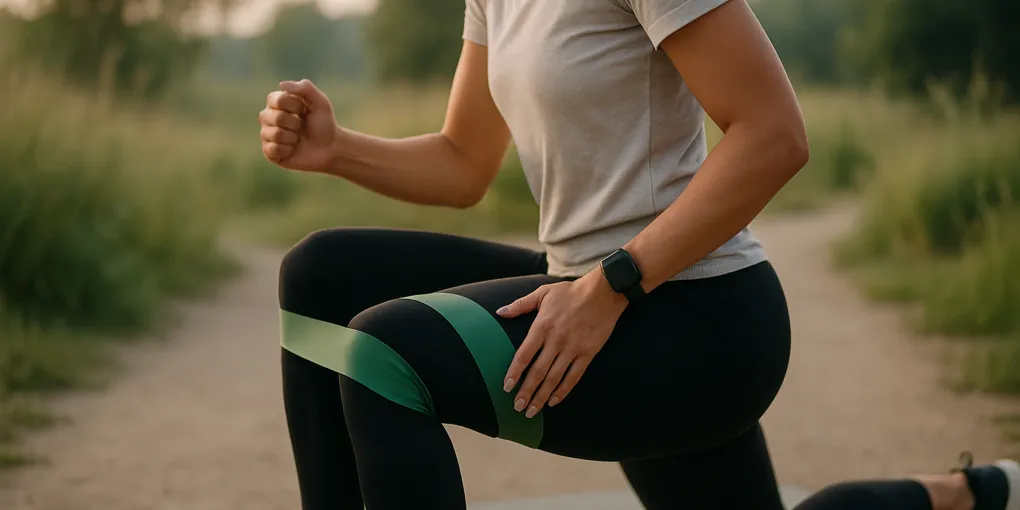
Best Mini Bands for Glute Activation in 2026
Buyer's GuidePerform Better Mini Bands
Best latex mini-band setBest Use: Warmups, lateral walks, and light-to-medium progression when you want known color/tension steps
Check current price
Quick picks
| Product | Key Specs |
|---|---|
| See price on Amazon |
|
| See price on Amazon |
|
| See price on Amazon |
|
Product availability, certifications, and retailer details can change; check the current Amazon page before buying.
Bottom line
For glute warmups, the useful shortlist is Perform Better Mini Bands for known latex tension steps, Fit Simplify loops for a budget starter set, and Arena Strength fabric bands when rolling or pinching is the main problem. Treat the quick picks as model-specific shortlists, then confirm current dimensions, materials, return terms, and seller details before ordering.
Quick picks
- Best latex mini-band set: Search Amazon for Perform Better Mini Bands — warmups, lateral walks, and light-to-medium progression when you want known color/tension steps. Latex can roll or irritate skin; avoid if latex allergy applies.
- Best budget latex set: Search Amazon for Fit Simplify Resistance Loop Exercise Bands — travel bags and beginner glute-activation drills with several light-to-heavy options. Very cheap loops can stretch out or snap if stored hot.
- Best fabric comfort pick: Search Amazon for Arena Strength Fabric Booty Bands — above-knee bridges and lateral walks when rolling/pinching is the main complaint. Often starts too heavy for ankle-level rehab-style drills.
The best mini bands for glute activation are not the stiffest bands on Amazon. They are the bands that let you move cleanly, keep tension where you want it, and warm up hips without turning every drill into a compensation contest. For most readers, a small set with light, medium, and heavy options is better than one brutal band that changes knee and pelvis position.
What Mini Bands Are Good For
Mini bands are looped resistance bands placed around the thighs, knees, ankles, or feet. They are common in warm-ups because they add lateral resistance to clamshells, side steps, monster walks, bridges, and hip abduction drills. They are cheap, portable, and easy to store in a gym bag.
Their value is practical, not magical. A band can help a reader feel the hip abductors and external rotators before squats, hinges, runs, or sport practice. It can also add low-load training volume at home. But “activation” is often oversold. Feeling a muscle burn does not automatically mean better performance, better glute growth, or injury prevention.
Evidence-Aligned Buying Criteria
Resistance training adaptations depend on overload, specificity, volume, and progression. The American College of Sports Medicine position stand on resistance training emphasized progressive loading and appropriate program design rather than isolated warm-up tricks (Medicine & Science in Sports & Exercise, 2009; PMID: 19204579). Mini bands can fit that framework only if the user can progress exercises and keep movement quality high.
Electromyography studies can show that banded drills create muscle activity, but EMG is not the same as long-term hypertrophy or injury prevention. Treat EMG claims as a clue, not proof that one band is “the best.”
Fabric vs Latex Bands
Fabric bands are usually wider and more comfortable on skin. They tend to roll less during lateral walks and can feel more stable above the knees. The tradeoff is that many fabric bands start at medium-to-heavy resistance, which can be too much for beginners or rehab-style work.
Latex bands are lighter, cheaper, and easier to pack. They can offer very low resistance, which is useful for learning form. They can also roll, pinch hair, snap, or degrade with heat and sunlight. People with latex allergy should avoid latex bands entirely.
A mixed set is often ideal: fabric bands for above-knee lateral work, latex or latex-free rubber bands for lighter ankle and foot drills.
Product Shortlist Strategy
For product screening, start with Search Amazon for Arena Strength Fabric Booty Bands, Search Amazon for Fit Simplify Resistance Loop Exercise Bands, and Search Amazon for Perform Better Mini Bands.
Screen for width, resistance range, material, return policy, and whether the set includes a genuinely light band. If every band in the set is hard to move, the product is not beginner friendly.
Mini Band Scorecard
| Criterion | Weight | What earns a high score |
|---|---|---|
| Resistance range | 30% | Light, medium, and heavy options with meaningful differences |
| Comfort and stability | 25% | Wide enough to avoid rolling, smooth enough not to pinch |
| Material fit | 20% | Fabric for comfort or latex-free options for allergy concerns |
| Durability | 15% | Reinforced stitching or resilient rubber with clear care instructions |
| Portability | 10% | Small pouch, easy storage, no bulky handles needed |
Best Use Cases
Warm-ups before lower-body training
Use one or two drills for one or two sets. The point is to prepare movement, not fatigue the hips before the main lift.
Travel workouts
Mini bands can make hotel-room training more useful. Pair lateral walks, split squats, glute bridges, and push-ups rather than doing twenty random band drills.
Form practice
A light band above the knees can cue a lifter not to let knees cave in during bodyweight squats. The cue should improve movement, not force an exaggerated knee-out posture.
What to Avoid
Avoid bands that are so heavy they make you swing, arch the low back, or shorten the range of motion. Avoid vague listings that do not identify material. Avoid products that make injury-prevention claims without evidence.
A mini band should not be painful. If the band causes knee pain, hip pinching, numbness, or skin irritation, stop and choose lighter resistance or a different drill.
A Simple Starter Routine
Try this before a lower-body workout: 10 slow bodyweight squats, 10 glute bridges, 8 steps each way of banded lateral walks, and 8 controlled hip hinges. Use a light or medium band and keep the routine under six minutes. If the warm-up makes the workout worse, it is too much.
Pick the band material around the session, not the product photo. Latex mini bands are easy to pack and replace, Fit Simplify-style loop sets cover warm-up progressions cheaply, and fabric hip bands are better for lateral walks when rolling and skin pinch are the main frustrations.
How to Judge Mini-Band Sets
The best mini-band set is not always the one with the most colors in the pouch. For glute warmups, look for one light loop that allows clean clamshells or lateral steps, one medium loop for bridges and squats, and clear material notes so latex-sensitive buyers can avoid the wrong set. Fabric bands should state width and circumference; latex loops should identify resistance steps and storage guidance.
This matters because mini-band listings often look identical. A five-band set can be excellent if each band has a useful purpose, or wasteful if three bands are too flimsy and two are too stiff. Prioritize usable progression, rolling resistance, odor complaints, stitching quality on fabric bands, and whether replacement is easy when a loop starts whitening, cracking, or losing snap.
Best Band Position by Exercise
Above the knees is the most forgiving position for beginners. It works well for glute bridges, bodyweight squats, and lateral steps because the band gives a cue without requiring much ankle control. Around the ankles increases lever arm and difficulty, but it can also cause shuffling and low-back compensation.
Around the feet can be useful for seated abduction, dead bug variations, or controlled hip work, but it is easy for the band to slip. If a reader spends the whole set fighting the band, the exercise is not productive. Start above the knees, then progress only when control is consistent.
A Four-Week Progression
Week one should use the lightest band for two short warm-ups. Choose two drills: glute bridge and lateral walk. Do one set each, stop well before fatigue, and notice whether the band improves or worsens form.
Week two can add a second set or one additional drill, such as a clamshell. Week three can move from light to medium resistance for one drill while keeping the others easy. Week four can add a home accessory session, but only if the band work still feels crisp.
The progression is intentionally small. Mini bands are accessories. If the warm-up becomes a separate workout, it can steal quality from squats, deadlifts, lunges, hill walks, or sport practice.
Pairing Mini Bands With Strength Work
For muscle growth, mini bands should support larger exercises rather than replace them. A useful lower-body session might include squats or leg press, hip hinges, split squats, calf work, and optional mini-band accessories. The band can be used before or after, but the main progression should come from load, reps, range of motion, and consistency.
Readers training at home can still use progressive overload. Combine banded glute bridges with slow tempo, longer pauses, single-leg variations, or a dumbbell. The band is one loading option, not the whole program.
Red Flags in Product Listings
Be skeptical of “booty builder” bundles that rely only on influencer photos and vague resistance labels. A useful set should state dimensions and explain material. If the listing includes latex but hides allergy information, downgrade it. If reviews repeatedly mention rolling, snapping, chemical odor, or resistance that differs from the label, downgrade it.
Also watch for sets that include handles, sliders, ankle cuffs, and unrelated accessories at a suspiciously low price. Bundles can be fine, but they often distract from band quality. Buy the band set for the bands, not the pouch full of extras.
Cleaning and Longevity
Sweat, floor dust, sunscreen, and heat can damage bands. Wipe fabric bands after use and let them dry before storing. Keep latex bands out of hot cars and direct sun. Inspect for tears, whitening, cracking, or loose stitching.
Replace a band before it fails. A snapped band can sting skin or surprise the user mid-movement. The cheapest safety habit is a quick visual check before each workout.
Who Should Skip or Modify Band Work
People with acute hip pain, knee pain, nerve symptoms, recent surgery, or clinician-directed restrictions should not force banded drills. The band should make movement easier to coordinate, not more painful. If lateral walking irritates knees, try bridges or reduce resistance. If clamshells irritate hips, skip them and choose a different warm-up.
Pain-free bodyweight movement comes first. Band tension is added only after the pattern is tolerable.
Exercise Menu by Goal
For a warm-up, choose low-fatigue drills: glute bridges, lateral walks, and standing hip abductions. For home strength accessories, choose higher-control drills: banded split-squat pulses, seated abductions, side-lying leg raises, and slow bridges with pauses. For movement cues before squats, use the lightest band that improves knee tracking without forcing an exaggerated stance.
Do not chase every social-media variation. The best drill is the one the reader can perform slowly, with the pelvis level, ribs down, and knees tracking comfortably. If the banded version looks worse than the bodyweight version, remove the band.
Mini-Band Rep Ranges by Drill
Warm-up sets can be short: 8 to 15 slow glute bridges, 6 to 10 lateral steps each direction, or 8 to 12 clamshells per side. Above-knee fabric bands usually fit bridges and lateral walks best; lighter latex loops are better for ankle or foot placement because the lever arm is longer. Stop when the pelvis starts rocking, the knees cave, or the low back moves more than the hips.
Accessory sets can run 12 to 25 reps because the loads are light, but the band should still match the drill. Progress by moving from light to medium resistance, adding a two-second pause at peak tension, slowing the lowering phase, or improving range of motion. Use only one progression at a time so the band remains a movement cue rather than random fatigue.
Bottom Line
Mini bands are useful, affordable tools for warm-ups, travel training, and light hip work. Buy a set with usable resistance levels, prioritize comfort, and avoid turning glute activation into a performance promise. The best band is the one that improves movement quality, supports consistent practice, and fits the rest of the training plan long term.
References
- Ratamess NA et al. Medicine & Science in Sports & Exercise. 2009. PMID: 19204579. doi:10.1249/MSS.0b013e3181915670.
- Schoenfeld BJ. Journal of Strength and Conditioning Research. 2010. doi:10.1519/JSC.0b013e3181e840f3.
- Distefano LJ et al. Journal of Orthopaedic & Sports Physical Therapy. 2009. doi:10.2519/jospt.2009.2796.
Mini Band FAQ
Are fabric mini bands better than latex loops for glute warmups?
Fabric bands are usually more comfortable above the knees and roll less during lateral walks. Latex loops are better when you need very light resistance, ankle placement, or a tiny travel pouch. Many readers do best with one fabric band for bridges and lateral walks plus a light latex loop for form practice.
What should I pair with mini bands for home training?
Mini bands are accessories, not a full lower-body program. Pair them with progressive squats, hinges, step-ups, or a broader home resistance-band strength setup when you want more than a warmup cue.
Frequently Asked Questions
- They can be useful for warm-ups and light hip-abduction work, but they should not replace progressive lower-body strength training.
- Fabric bands are usually more comfortable and less likely to roll, while latex bands offer lighter resistance and more portability.
- Beginners should start with light or medium resistance that allows clean movement without knee collapse or low-back compensation.
- They can contribute, but meaningful hypertrophy usually requires progressive overload through larger exercises over time.