Gymboss Interval Timer Review: Cheap Training Cue or One More Gadget?
ReviewGymboss interval timer
Best dedicated timerBest Use: Intervals where a phone is distracting, hard to hear, or at risk
$20-35
Quick picks
| Product | Key Specs |
|---|---|
| See price on Amazon |
|
| See price on Amazon |
|
| See price on Amazon |
|
Product availability, certifications, and retailer details can change; check the current Amazon page before buying.
Bottom line
A Gymboss interval timer is worth buying when the cue matters more than the screen. It clips to clothing, beeps or vibrates, and keeps working while your phone is across the room. That makes it useful for boxing rounds, run-walk intervals, garage-gym circuits, mobility holds, and simple strength density blocks.
It is not a necessary gadget for everyone. If a free phone timer works and does not distract you, keep using it. If the phone gets sweaty, locks, disappears under a towel, or pulls you into messages between sets, search Amazon for Gymboss interval timers. For a shared garage gym, search Amazon for large wall interval timers that are easier to see.
Product snapshot
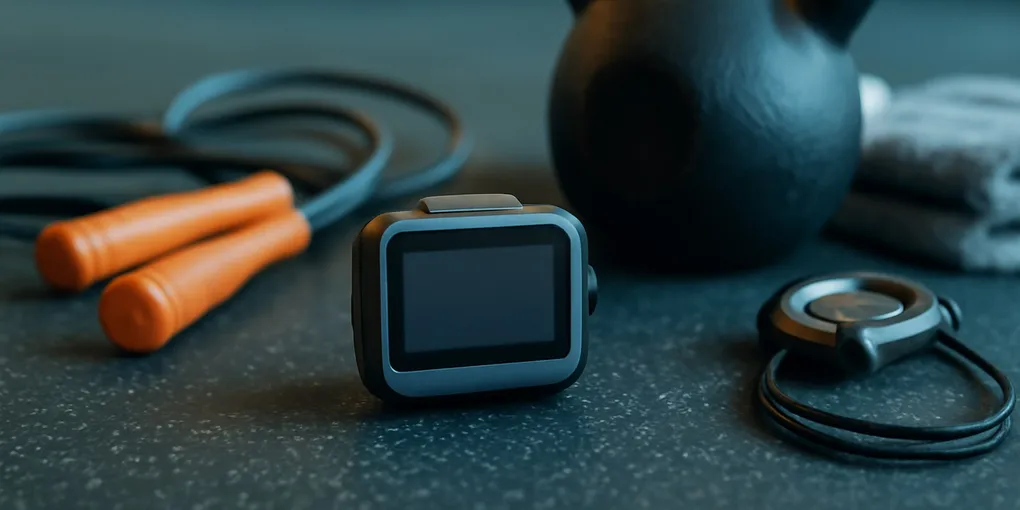
Gymboss is a small dedicated interval timer with physical buttons, a clip, audible alerts, and vibration on many models. The main appeal is that it does one narrow job without asking you to unlock a phone. That simplicity is the feature.
The tradeoff is programmability. A phone app can run complicated sequences, save many workouts, show large visual countdowns, and pair with music. A clip-on timer is better for simple repeating intervals, not elaborate coaching.
Who should consider it
Consider a dedicated timer if you train outdoors, box or hit a heavy bag, do run-walk sessions, coach a partner, or use circuits where your hands are occupied. It is also helpful for mobility holds where constantly checking a phone changes position.
The device shines when audio cues are enough. Set work, rest, number of rounds, and go. If your workout requires exercise names, video demos, pace targets, and heart-rate zones, a watch or app will carry more information.
Who should skip it
Skip it if you already wear a sports watch that handles intervals well. Also skip it if your workouts are open-ended lifting sessions where rest times change based on bar speed, load, or fatigue. A timer can support training, but it should not force every session into arbitrary urgency.
Beginners should try a free phone app first. If the problem is not timing, a new timer will not solve motivation, exercise selection, or poor recovery. Buy the dedicated device only after the phone has failed in a specific way.
Fit and usability details
Button feel matters more than spec sheets. Small devices are annoying if the buttons are hard to press with sweaty fingers or if changing intervals requires re-reading the manual every time. A good timer should let you start, stop, and repeat a saved interval quickly.
Volume and vibration matter by environment. In a quiet room, a beep is enough. In a garage with a fan, music, or jump rope noise, vibration plus beep is more reliable. If you train with others nearby, make sure the alert is not obnoxious for the room.
The clip is another practical detail. It should hold on a waistband, pocket, or shirt without digging into the skin. If you do floor work, clip placement matters because lying on the timer is uncomfortable.
How to use it without letting intervals take over
Intervals are a dosing tool. They make sense for repeatable work bouts: 30 seconds on and 30 seconds off, three-minute boxing rounds, one-minute mobility positions, or run-walk repeats. They are less useful when you need full recovery for heavy strength sets.
For conditioning, start conservative. Choose a work interval you can repeat without form collapsing in the final round. For strength circuits, keep enough rest that the last set still looks like training rather than survival. If you need a lower-tech cardio ramp, compare this with our RPE scale protocol.
Buying comparison
| Check price | Option | Best for |
|---|---|---|
| Search Amazon for Gymboss interval timers | Clip-on interval timer | simple repeating cues without phone distraction |
| Search Amazon for wall interval timers | Large gym wall timer | garage gyms, partners, and visible class-style countdowns |
| Search Amazon for sports watches with interval timer | Sports watch | intervals plus pace, heart rate, and outdoor tracking |
Verdict
Buy a Gymboss interval timer if your phone is the weak link in simple interval training. The purchase makes sense when you can name the failure: missed beeps, sweaty screen, notifications, pocket carrying, or needing vibration on your body.
Do not buy it because interval training sounds more serious with hardware. A timer does not choose the right work-to-rest ratio, protect joints, or build capacity by itself. It is a cueing device. Used well, that is enough.
One extra buying detail: check whether the model supports the number of intervals you actually use. A runner may need only work and rest. A boxing setup may need round length, rest length, and a warning beep. A garage-gym circuit may need enough volume to hear over a fan. Those needs are specific enough that reading the product listing matters before you buy.
FAQ
Is a Gymboss timer better than a phone app?
It is better when you need a loud, clipped-on, distraction-free cue. A phone app is better for complex programming, large visual screens, music integration, and casual sessions.
What workouts is a Gymboss timer good for?
It works well for boxing rounds, run-walk intervals, EMOM-style strength blocks, jump rope practice, mobility holds, and simple conditioning circuits.
Should beginners buy an interval timer?
Beginners should use a phone first unless they already know the phone is interfering. A dedicated timer is a small upgrade for a real workflow problem, not a required starter purchase.
Sources and further reading
- The ACSM resistance training progression stand explains why training variables and progression matter more than gadgets.
- The CDC describes adult physical activity intensity basics, useful when interval work changes how hard a session feels.
- Our weighted vest walking protocol shows how timing tools can support progression without replacing effort cues.