Protein Before Meals for Glucose Control: A Practical Protocol
ProtocolQuick picks
| Product | Key Specs |
|---|---|
| See price on Amazon |
|
| See price on Amazon |
|
Product availability, certifications, and retailer details can change; check the current Amazon page before buying.
The useful version of protein-first eating
Eating protein before the starch portion of a meal is a sequencing tactic, not a metabolic cure. Small controlled studies in people with type 2 diabetes have found that consuming protein and vegetables before carbohydrate can lower the post-meal glucose rise compared with eating carbohydrate first. The practical use is narrow: it may make a familiar meal produce a gentler curve, especially when the meal otherwise starts with juice, bread, rice, or a sweet snack.
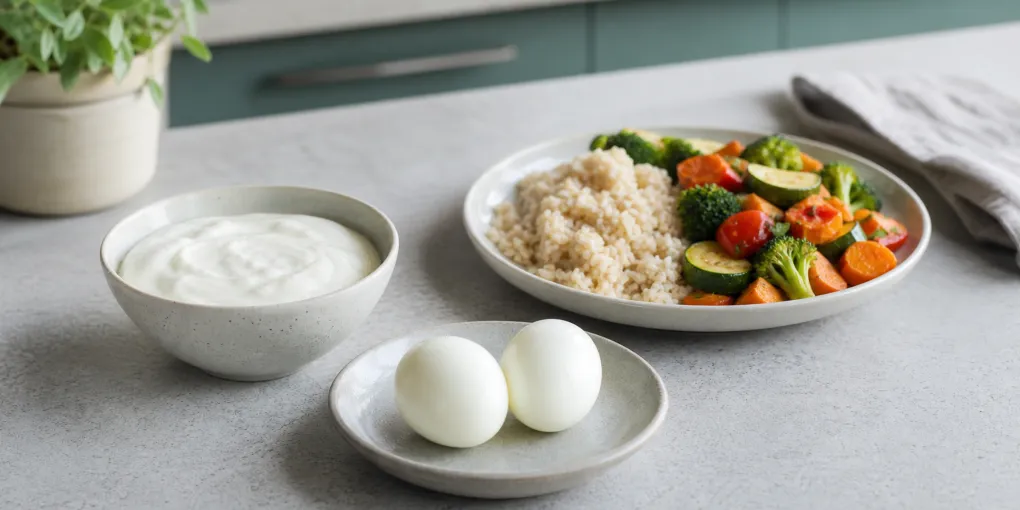
It does not replace medication, reduce the need for diagnosis, or make a very large refined-carbohydrate meal harmless. It also is not a reason to turn every meal into a shake. The best first choice is ordinary food: eggs, yogurt, tofu, fish, beans, or leftover chicken before the grain or fruit portion.
If breakfast is genuinely rushed, check current whey isolate options. If your clinician has already advised more soluble fiber, check plain psyllium options. With either product, compare serving size, ingredients, seller, and medication instructions before buying.
What the evidence actually supports
In a crossover study, people with type 2 diabetes who ate vegetables and protein before carbohydrate had lower post-meal glucose and insulin measures than when they ate carbohydrate first. That is a meal-order finding, not evidence that everyone should take supplemental protein or that the effect prevents diabetes. A 2022 systematic review and meta-analysis of meal-sequencing studies in type 2 diabetes found lower post-meal glucose with carbohydrate consumed last, while also reflecting a small and heterogeneous study base (PMID: 35210284).
The mechanism is plausible: protein, fat, and fiber can slow gastric emptying and change early gut-hormone signaling. But a slower glucose rise is not automatically better in every context. Someone using rapid-acting insulin, a sulfonylurea, or a glucose-lowering drug that can cause hypoglycemia needs an individualized plan. Changing meal order can alter the timing of a glucose peak and medication match.
For most people without diabetes, the more important question is whether protein-first makes breakfast or lunch more satisfying without displacing fruit, legumes, whole grains, and vegetables. If it makes meals more expensive, restrictive, or stressful, the small potential gain is not worth forcing.
A seven-day way to test it
Choose one repeatable meal rather than changing every meal at once. A useful candidate is breakfast with yogurt, eggs, tofu, or cottage cheese plus toast or oats; another is lunch with beans, fish, or chicken plus rice. Keep the overall portion and meal time roughly similar for several days.
On days one through three, eat the protein and non-starchy vegetables first, then the starch or fruit. Do not rush; the order only has meaning if the first portion is actually eaten before the carbohydrate. On days four through seven, keep the same order and note fullness, energy, digestive comfort, and whether you snack before the next meal.
If you already use a clinician-recommended glucose meter or continuous glucose monitor, look for a repeatable pattern rather than reacting to one number. Record the meal, start time, medication, activity, sleep, alcohol, and the time of the measurement. A high reading with symptoms, repeated unexplained elevations, or readings outside the plan set by your clinician deserve clinical follow-up, not more food sequencing experiments.
Food first, powder second
A powder is a convenience tool, not evidence that a branded product has a special glucose effect. A scoop of whey can make sense when a person skips breakfast protein because of time, appetite, or travel. It is less compelling when a protein-rich food is already available. Check the protein per serving, added sugar, sweeteners that bother your digestion, and whether the product fits any kidney-disease or fluid restriction plan.
Psyllium is a separate lever. It can improve fiber intake for some people, but it must be taken with enough water and separated from certain medications. It can cause bloating, and it is not appropriate for swallowing difficulty or a suspected bowel obstruction. Do not add both a high-dose fiber supplement and a major dietary change on the same day if you want to know what caused discomfort.
Where this approach can backfire
Do not use meal sequencing to delay treatment for diabetes symptoms, unintended weight loss, vomiting, dehydration, or frequent low glucose. People with eating disorders or a history of rigid food rules may find ordering rules more harmful than useful. Pregnant people with gestational diabetes should follow the plan from their maternity team because carbohydrate distribution and medication timing can be specific.
The tactic also has a simple nutritional limit: protein-first does not make fiber optional. A plate of sausage before white bread is not equivalent to a meal built around beans, vegetables, and a reasonable starch portion. The sequence is a small adjustment to meal quality, not a substitute for it.
For a related measurement approach, see our home glucose meter protocol for post-meal walks. For a fiber-specific explanation, read psyllium husk for LDL and glucose.
Protein before meals FAQ
How much protein should I eat before carbohydrate?
There is no universal pre-meal dose. Start with a normal food portion that fits the meal, such as eggs, yogurt, tofu, fish, beans, or chicken. A supplement label is not a personalized glucose prescription.
Can this replace a diabetes medication?
No. Meal order may affect post-meal patterns, but it does not replace medication, monitoring, or appointments. Ask the prescriber before changing a plan that includes insulin or medicines that can cause low glucose.
Is a whey shake better than food?
Not necessarily. It is useful when convenience is the real obstacle. Food-based protein usually brings a fuller meal context and is easier to evaluate for overall quality.
Sources
- Shukla AP, et al. Food order has a significant impact on postprandial glucose and insulin levels: https://pubmed.ncbi.nlm.nih.gov/25315030/
- Hoshino T, et al. Efficacy of a meal sequence in patients with type 2 diabetes: a systematic review and meta-analysis: https://pubmed.ncbi.nlm.nih.gov/35210284/
- American Diabetes Association, nutrition guidance: https://diabetes.org/food-nutrition
- Related reading: fiber before meals for glucose control and post-meal walking protocol.